Vietnam has established itself as one of the world’s leading Robusta coffee producers, supplying coffee beans to importers, roasters, distributors, and food and beverage manufacturers across international markets. Known for its favorable growing conditions, established production areas, and strong coffee export industry, Vietnam plays an important role in the global coffee supply chain.
Vietnamese Robusta coffee is particularly valued for its bold flavor, strong body, and suitability for espresso blends, instant coffee, and various commercial coffee products. For international buyers seeking a reliable source of coffee beans, understanding Vietnam’s Robusta coffee industry can help them make informed sourcing decisions.
In this article, we explore the key reasons behind Vietnam’s position in the global Robusta coffee market and what international buyers should know when sourcing coffee from Vietnam.
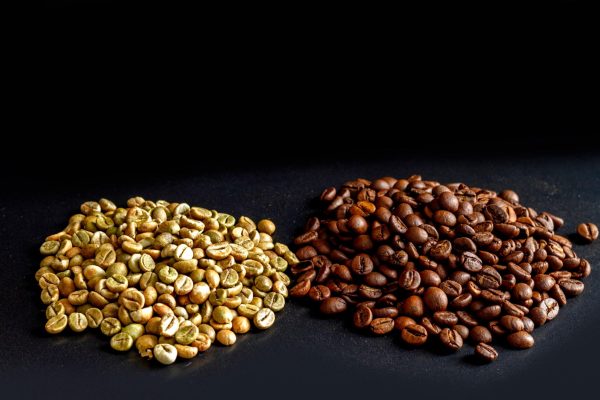
One of the main reasons Vietnam is a leading Robusta coffee producer is its suitable climate and agricultural conditions.
The Central Highlands region, including Dak Lak, Lam Dong, Gia Lai, and Dak Nong, is the heart of Vietnam’s coffee production. These areas offer tropical conditions, seasonal rainfall, and suitable soils that support large-scale coffee cultivation.
Robusta coffee plants generally thrive in warm climates and can adapt well to the growing conditions found in many parts of Vietnam. The combination of suitable temperatures, seasonal weather patterns, and agricultural experience helps farmers cultivate coffee on a commercial scale.
Dak Lak, in particular, is widely recognized for its coffee-growing tradition and is home to Buon Ma Thuot, one of Vietnam’s best-known coffee centers.
These natural advantages provide a strong foundation for Vietnam’s Robusta coffee production and export industry.
Vietnam’s coffee industry has developed over many decades, building extensive experience in cultivation, harvesting, processing, and export.
Farmers and coffee processors have developed practical knowledge of coffee farming, including plantation management, harvesting techniques, bean drying, and post-harvest handling. This experience supports a well-established supply chain connecting coffee-growing regions with domestic processors and international buyers.
Robusta coffee is particularly important to Vietnam’s coffee industry because it is widely cultivated and produced in substantial commercial volumes.
For importers and manufacturers, this established production base can create opportunities to source coffee beans in bulk, subject to seasonal availability, product specifications, and supplier capacity.
Working with an experienced Vietnamese coffee supplier can also help buyers discuss bean grades, moisture content, processing methods, packaging, and shipment requirements before placing an order.
Vietnamese Robusta coffee is known for its strong, bold flavor and full-bodied character. Depending on the growing region, harvest conditions, bean quality, and processing method, its flavor profile may include earthy, nutty, woody, or chocolate-like notes.
Robusta coffee generally contains more caffeine than Arabica coffee, making it a popular choice for consumers and manufacturers seeking a stronger coffee profile.
Its characteristics make Vietnamese Robusta suitable for several commercial applications, including:
The best choice depends on the intended application, target customers, and required product specifications.

Another important factor behind Vietnam’s position in the Robusta coffee market is its established export infrastructure.
Vietnam supplies coffee to numerous international markets, supported by coffee processors, exporters, logistics providers, and port facilities. This network helps connect domestic production with overseas buyers.
For companies purchasing coffee in commercial quantities, Vietnam can be an attractive sourcing destination because buyers can explore different grades, processing options, packaging formats, and order volumes.
However, the final purchase price depends on multiple factors, including global coffee market prices, bean quality, order volume, processing requirements, packaging, freight costs, and delivery terms.
International buyers should request current quotations and compare suppliers based on product specifications, quality documentation, shipment arrangements, and overall reliability rather than price alone.
Vietnam’s coffee supply chain includes various processing methods designed to prepare beans for domestic consumption and international trade.
Depending on the product and supplier, coffee may be processed using dry or wet methods, followed by drying, hulling, grading, and quality checks. Green coffee beans are commonly supplied to overseas roasters and manufacturers that prefer to conduct their own roasting.
Roasted coffee and processed coffee products are also available from Vietnamese suppliers serving different market segments.
When sourcing Vietnamese Robusta coffee, buyers should clarify the following specifications:
Clear specifications help reduce misunderstandings and make supplier comparisons more effective.
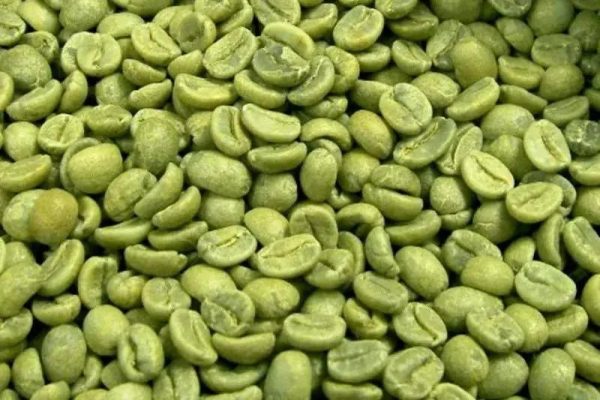
Robusta coffee has an important role in the global coffee industry because it serves both mainstream and specialized commercial applications.
Demand from instant coffee manufacturers, commercial roasters, beverage producers, and coffee distributors creates opportunities for established producing countries such as Vietnam.
Market conditions can change from year to year due to weather, harvest volumes, inventories, transportation costs, and international commodity prices. As a result, buyers should evaluate current market information and supplier quotations before making purchasing decisions.
For businesses seeking to diversify their coffee sourcing, Vietnamese Robusta offers an option worth considering, particularly when product specifications, quality requirements, and supply arrangements align with their needs.
Building long-term relationships with reliable exporters can help buyers improve sourcing consistency and coordinate future orders more efficiently.
Choosing the right supplier is essential for importers, distributors, roasters, and food manufacturers. A competitive quotation is important, but it should be considered alongside product quality and the supplier’s ability to fulfill the order.
Before selecting a Vietnamese Robusta coffee supplier, international buyers should consider the following factors:
1. Product specifications: Confirm the grade, moisture content, defect limits, bean size, processing method, and product form.
2. Quality control: Ask about sampling procedures, inspection arrangements, and available quality documentation.
3. Export experience: Discuss the supplier’s experience with international shipments and the documentation required for the destination market.
4. Packaging and logistics: Confirm packaging materials, bag weight, loading quantity, shipment schedule, and delivery terms.
5. Communication and order coordination: A responsive supplier should be able to explain specifications, provide quotations, and coordinate order details clearly.
6. Samples and verification: Where practical, request samples and verify the product against agreed specifications before committing to a large shipment.
Taking these steps can help reduce sourcing risks and support a more transparent purchasing process.
Vina Eco Agri supports international trade in Vietnamese agricultural products, connecting overseas buyers with sourcing opportunities in Vietnam.
For businesses interested in Vietnamese Robusta coffee, we welcome inquiries from importers, distributors, coffee roasters, and food and beverage manufacturers seeking to discuss their sourcing requirements.
Whether you are exploring green coffee beans for roasting or commercial coffee supplies for further processing, sharing your required specifications and target order volume is a practical first step toward evaluating suitable supply options.
Contact Vina Eco Agri to discuss your coffee sourcing needs and request further product information.
VINA ECO AGRI., LTD
Email: Sales@veavn.com
Website: https://veavn.com/en/
Feel free to contact us for more information about Vietnamese agricultural products and export opportunities.
Vietnam’s position as one of the world’s leading Robusta coffee producers is supported by favorable growing conditions, extensive farming experience, established processing capabilities, and a well-developed export supply chain.
With its bold flavor and versatility across instant coffee, espresso blends, roasted coffee, and other commercial applications, Vietnamese Robusta continues to be an important option for international coffee buyers.
For importers and manufacturers, the key to successful sourcing is to work with a supplier that understands product specifications, quality requirements, logistics, and international trade procedures.
By evaluating these factors carefully, businesses can explore sourcing opportunities in Vietnam and identify Robusta coffee products that match their market needs.