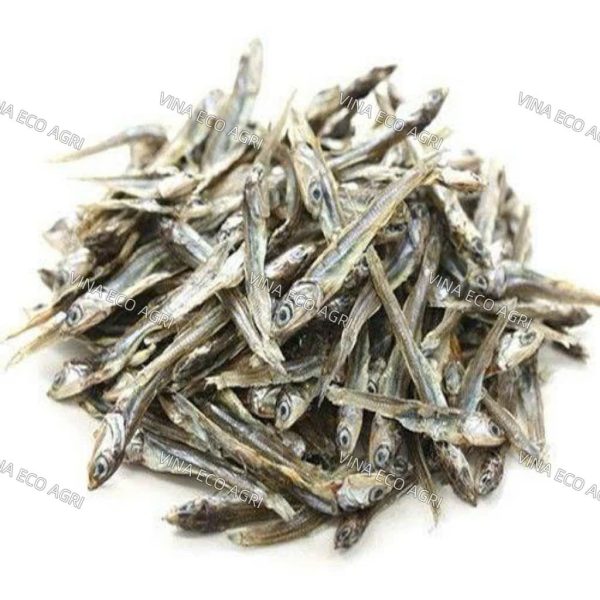
Dried anchovies are widely used in Asian cuisine and the global food processing industry because of their rich umami flavor, versatility, and convenient storage. From traditional soups and savory sauces to seasoning powders and ready-to-eat snacks, these small dried fish offer numerous applications for both home cooking and commercial food production.
As demand for convenient seafood ingredients continues to grow, dried anchovies have become an important ingredient for food manufacturers, seafood distributors, wholesalers, and international buyers.
In this article, we explore the most common dried anchovies uses, their benefits in food preparation, and how businesses can incorporate them into different food products.

One of the most popular uses of dried anchovies is making flavorful soup stock and broth. When simmered in water, dried anchovies release savory compounds that create a rich, naturally umami taste.
They are commonly used in Korean, Vietnamese, Japanese, and other Asian cuisines.
Popular applications include:
For food manufacturers, dried anchovies provide a practical seafood ingredient for developing products with a distinctive savory flavor.
Dried anchovies can be ground into powder or processed into seasoning blends for a wide range of food products. Their naturally savory taste makes them suitable for enhancing flavor without relying entirely on artificial flavoring ingredients.
Common applications include:
Food processors can combine dried anchovy powder with salt, spices, seaweed, or other ingredients to develop customized seasoning products.
The final flavor and texture depend on the anchovies’ quality, drying method, and processing conditions.
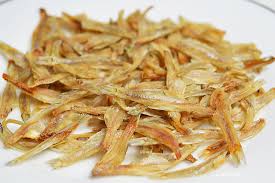
Dried anchovies are a staple ingredient in many Asian kitchens. They can be cooked whole, fried until crispy, or combined with sauces and spices to create flavorful side dishes.
Some popular preparations include:
These applications demonstrate how one seafood ingredient can serve different culinary preferences across international markets.
Small dried anchovies can also be used to produce savory seafood snacks. Depending on their size and quality, they may be fried, roasted, or seasoned to create a crunchy texture.
Potential snack applications include:
For snack manufacturers, dried anchovies offer opportunities to develop products for consumers seeking traditional seafood flavors and convenient snack formats.
Appropriate food-grade processing, moisture control, and packaging are essential for maintaining product quality and shelf stability.
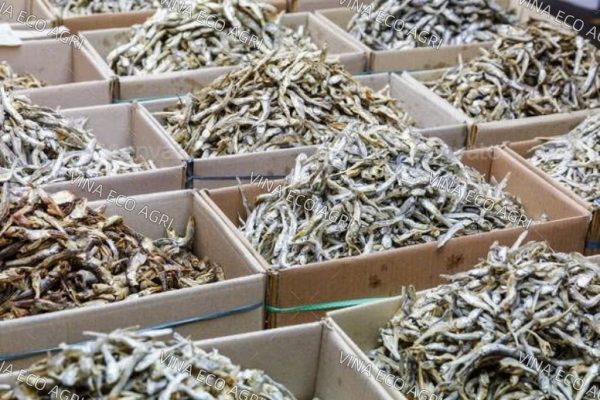
Dried anchovies can be incorporated into sauces and condiments to provide a deeper seafood flavor. They may be simmered, ground, or combined with other ingredients, depending on the intended formulation.
Common applications include:
Their concentrated flavor makes dried anchovies a useful ingredient in products where a strong savory profile is desired.
For commercial production, manufacturers should select raw materials with consistent flavor, size, moisture content, and microbiological quality.
Beyond traditional cooking, dried anchovies have applications throughout the seafood and packaged food industries. Manufacturers can use them as a primary ingredient or as part of a blended formulation.
| Food industry | Potential application |
|---|---|
| Instant food manufacturing | Soup bases and noodle seasoning |
| Seasoning production | Anchovy powder and savory blends |
| Snack manufacturing | Fried, roasted, and seasoned seafood snacks |
| Sauce production | Seafood sauces and chili condiments |
| Frozen and prepared foods | Flavor ingredients for soups and ready meals |
| Seafood processing | Processed anchovy products for retail or food service |
For B2B buyers, selecting a suitable dried anchovy specification is important. Factors to evaluate include fish size, color, aroma, moisture content, cleanliness, packaging, and applicable food safety requirements.
Depending on the target market, buyers may also require product specifications, laboratory test results, and export documentation.
In addition to human food applications, certain dried anchovy products may be used as ingredients in animal feed or aquaculture feed formulations.
Their suitability depends on nutritional composition, processing methods, product grade, and the intended animal species. Products intended for feed must meet the relevant safety and regulatory requirements and should not automatically be considered interchangeable with food-grade dried anchovies.
For this reason, buyers should clearly specify whether they require dried anchovies for human consumption or feed manufacturing.
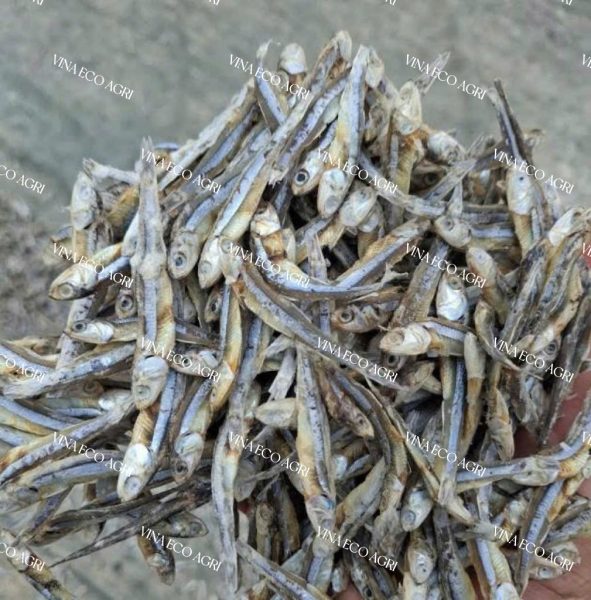
Dried anchovies offer several practical advantages that make them attractive to food businesses.
Rich savory flavor: Dried anchovies contribute a characteristic seafood taste that works well in soups, sauces, and seasoning blends.
Versatile applications: They can be used whole, fried, simmered, or ground into powder, depending on the product formulation.
Convenient storage: Properly dried and packaged anchovies are generally easier to store and transport than fresh fish. Actual shelf life depends on moisture, packaging, storage temperature, and product specifications.
Flexible product development: Manufacturers can incorporate dried anchovies into traditional dishes, modern snacks, instant foods, and customized seafood seasonings.
Suitable for different market segments: Depending on the grade and processing requirements, dried anchovies can serve retailers, restaurants, food service operators, and industrial food manufacturers.
These advantages make dried anchovies a versatile raw material for businesses looking to develop seafood-based food products.
When sourcing dried anchovies for food production or international trade, buyers should evaluate several key characteristics.
For importers and food manufacturers, a reliable supplier should communicate product specifications clearly and maintain consistency between shipments.
Vietnam is an established seafood-producing country, offering opportunities for international buyers seeking dried seafood ingredients for retail, food service, and industrial processing.
When sourcing dried anchovies from Vietnam, importers should confirm the product’s origin, size, processing method, moisture specification, packaging options, minimum order quantity, and export requirements before placing an order.
Vina Eco Agri connects international buyers with agricultural and food ingredient sourcing opportunities from Vietnam. Businesses interested in dried anchovies can contact our team to discuss their product requirements, intended applications, and purchasing specifications.
For bulk orders, providing the target fish size, required quantity, packaging format, and destination country can help streamline the sourcing process.
Dried anchovies are used in a wide variety of food applications, including soup and broth preparation, seasoning production, traditional Asian dishes, crispy snacks, sauces, and industrial food manufacturing. Their distinctive savory flavor and processing versatility make them a valuable ingredient for businesses serving different food markets.
For wholesalers, importers, distributors, and food manufacturers, choosing dried anchovies with suitable specifications and reliable quality documentation is essential for successful sourcing.
Looking for dried anchovies for food processing or wholesale supply?
Contact Vina Eco Agri to discuss your requirements.
Email: Henry@veavn.com
Website: https://veavn.com/en/
Feel free to contact us for your sourcing inquiries.
Dried anchovies should be stored in clean, sealed packaging under the temperature and humidity conditions specified for the product. Protecting them from moisture, heat, and contamination helps preserve quality.
Businesses can contact seafood suppliers and exporters to request product specifications, samples where available, quotations, and relevant export documentation. Buyers should confirm that the supplier can meet the destination country’s import requirements.