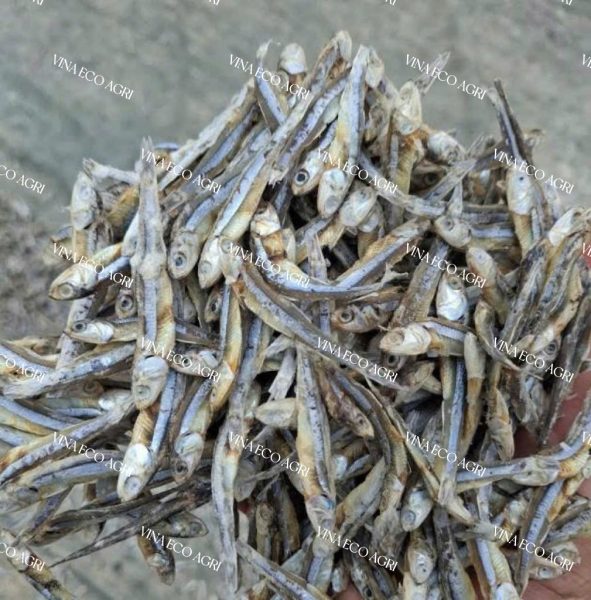
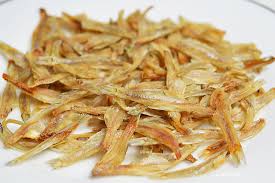
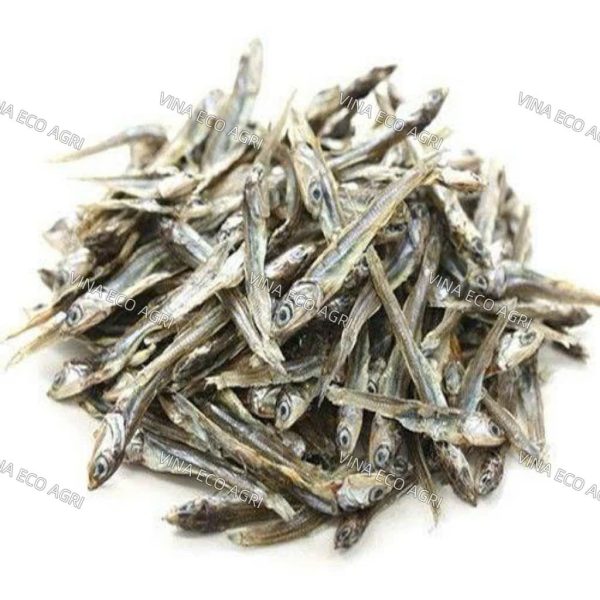
Dried anchovies are widely used in the food processing industry because of their distinctive savory flavor, nutritional value, and versatility. These small dried fish are popular ingredients in Asian cuisine and are increasingly used by food manufacturers to produce seasonings, instant foods, sauces, soups, and other processed food products.
For food manufacturers, wholesalers, and international buyers, understanding how dried anchovies are used in food processing can help identify new product opportunities and select suitable raw materials.
In this article, we explore the main applications of dried anchovies, their benefits for food manufacturers, and the factors to consider when sourcing dried anchovies for commercial production.
Dried anchovies are small marine fish that are processed through drying to reduce moisture content and extend shelf life. Depending on the intended application, anchovies may be dried naturally under the sun or processed using controlled drying equipment.
The final product typically has a firm texture, a concentrated seafood flavor, and a characteristic savory taste. Dried anchovies are commonly used in traditional cooking and industrial food manufacturing.
For commercial applications, dried anchovies may be supplied whole, with different sizes and processing specifications depending on customer requirements.
When purchasing dried anchovies for food processing, buyers should consider moisture content, fish size, color, odor, cleanliness, and microbiological quality.
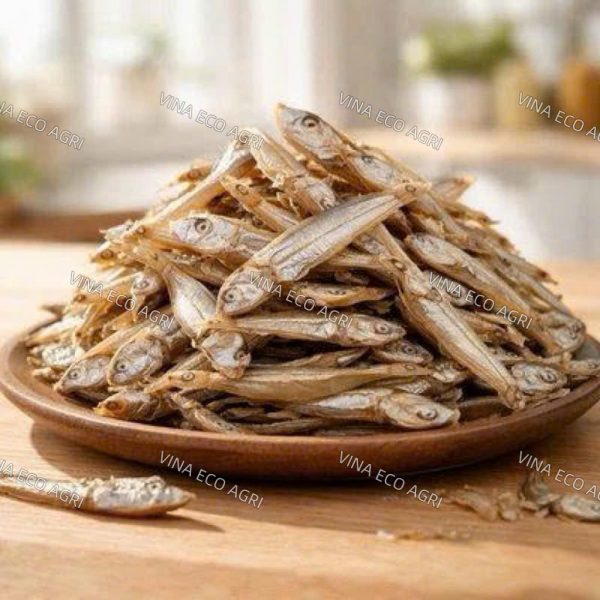
One of the most important applications of dried anchovies is the production of seasoning powder and seafood flavoring ingredients.
Dried anchovies can be ground into powder and incorporated into seasoning blends for instant noodles, snacks, soups, sauces, and ready-to-cook products. Their natural savory taste helps create a richer seafood flavor profile.
Food manufacturers may combine dried anchovy powder with ingredients such as salt, spices, vegetable powders, and other seafood ingredients to develop customized seasoning formulations.
Common applications include:
The particle size, flavor intensity, and moisture level should be suitable for the intended formulation and processing method.
Dried anchovies are widely used to prepare fish stock and seafood broth. During simmering, they release savory compounds into the cooking liquid, creating a distinctive seafood flavor.
In commercial food processing, dried anchovies can be used to manufacture concentrated broth, soup bases, and ready-to-use stock products.
These ingredients are suitable for manufacturers producing instant soups, packaged noodle products, cooking concentrates, and traditional Asian food products.
Depending on the product formulation, dried anchovies may be used directly during extraction or processed into smaller pieces to improve handling and extraction efficiency.
Dried anchovies can also serve as a raw material for certain seafood-based sauces and fermented fish products. However, traditional fish sauce production commonly uses fresh anchovies or other suitable fish, together with salt, under controlled fermentation conditions.
For manufacturers, the choice between fresh and dried anchovies depends on the intended product, processing method, and quality specifications.
Before using dried anchovies in sauce production, processors should evaluate salt content, moisture level, raw material condition, and suitability for the specific formulation.
The growing demand for convenient meals creates opportunities for dried anchovies in instant food manufacturing.
Anchovy powder and anchovy-based extracts can be incorporated into seasoning sachets, soup concentrates, and seafood-flavored meal kits. Small dried anchovies may also be used as visible ingredients in selected packaged food products.
Their concentrated flavor makes them useful in formulations where manufacturers want a recognizable seafood taste without relying entirely on fresh fish during final preparation.
For industrial buyers, consistency in flavor, particle size, and quality is important for maintaining product standards across production batches.
Dried anchovies can be processed into snack ingredients or used as a component in ready-to-eat seafood products.
Depending on the species, size, and product specifications, they may be roasted, seasoned, fried, or combined with ingredients such as sesame seeds, chili, and other spices.
Food manufacturers can develop products such as:
These applications require careful control of moisture, texture, seasoning, and packaging to maintain product quality during storage.
Dried anchovies can be incorporated into various processed seafood products, including seafood mixtures, fish-based fillings, and specialty food ingredients.
Depending on the formulation, they may be chopped, ground, or rehydrated before being combined with other ingredients.
For manufacturers, the main considerations include raw material consistency, flavor compatibility, processing performance, and compliance with food safety requirements.

Dried anchovies offer several practical advantages for food processors.
Drying reduces moisture and concentrates the fish’s characteristic flavor. This makes dried anchovies useful in products that require a noticeable seafood taste.
Dried anchovies can be used whole, chopped, ground into powder, or processed into extracts. This flexibility allows manufacturers to incorporate them into different product categories.
Compared with fresh fish, properly dried anchovies can be easier to store and transport when packaged and handled under suitable conditions. Actual shelf life depends on moisture content, packaging, storage temperature, and product quality.
Dried anchovies can be incorporated into seasoning blends, soups, sauces, snacks, and convenience foods. Manufacturers can adjust the processing method according to their production requirements.
Food businesses can transform dried anchovies into higher-value ingredients, such as anchovy powder, concentrated stock, and customized seafood seasoning blends.
Selecting the right raw material is essential for maintaining consistent product quality.
Food manufacturers and importers should evaluate the following factors before purchasing dried anchovies.
1. Moisture content: Moisture affects texture, storage stability, and the risk of microbial growth. Buyers should request product specifications and suitable test results.
2. Appearance and color: Dried anchovies should have a characteristic appearance consistent with the species and processing method, without signs of mold or unusual discoloration.
3. Odor and flavor: The product should have a characteristic fish aroma without rancid, sour, or otherwise abnormal odors.
4. Size and uniformity: Consistent fish size can improve sorting, grinding, portioning, and production efficiency.
5. Foreign matter and cleanliness: Raw materials should be properly cleaned and checked for sand, debris, and other unwanted materials.
6. Food safety and traceability: Buyers should review applicable microbiological, chemical contaminant, and other food safety requirements. Documentation should be appropriate for the destination market and intended application.
7. Packaging and storage: Packaging should protect the product from moisture, contamination, and physical damage during transportation and storage.
For international trade, buyers should also confirm product specifications, packaging format, labeling requirements, and export documentation before placing an order.
Dried anchovies connect traditional seafood ingredients with modern food manufacturing. Their concentrated flavor and flexible processing options make them useful for companies producing Asian food products, seafood seasonings, instant meals, and specialty ingredients.
As food manufacturers develop new seafood-flavored products, dried anchovies can provide a practical raw material for a wide range of formulations.
For importers and distributors, sourcing dried anchovies from reliable suppliers is important for maintaining consistent quality, meeting customer expectations, and supporting long-term business relationships.
The best sourcing decision depends on the intended application, required specifications, target market, and total supply cost.
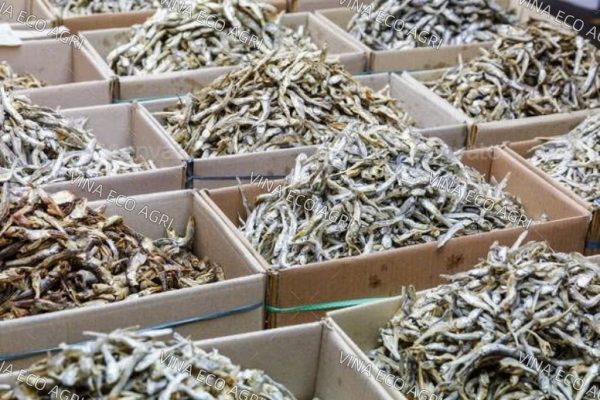
Vietnam is an established seafood-producing country with a diverse range of seafood products for domestic and international markets. For buyers seeking dried anchovies, working with an export-oriented supplier can help simplify communication about product specifications, packaging, and shipping requirements.
VINA ECO AGRI supports B2B sourcing inquiries for agricultural and food ingredients. Businesses interested in dried anchovies can discuss their intended application, required product specifications, packaging preferences, and order quantity to identify a suitable supply option.
Whether you are a food manufacturer, seafood distributor, seasoning producer, or importer, selecting the right dried anchovies can help support your production needs.
Contact VINA ECO AGRI for dried anchovies sourcing inquiries.
VINA ECO AGRI., LTD
Email: Henry@veavn.com
Website: https://veavn.com/en/
Dried anchovies are used to produce seasoning powder, soup stock, seafood-flavored instant noodles, sauces, snacks, and other processed food products.
Yes. Dried anchovies can be ground into powder and blended with salt, spices, and other ingredients to create seafood seasoning for soups, noodles, snacks, and ready-to-cook meals.
Yes, provided that the raw material meets the manufacturer’s requirements for quality, food safety, moisture content, and intended processing application.
Dried anchovies should be stored in clean, sealed packaging under cool, dry conditions, protected from moisture, pests, and contamination. Follow the supplier’s storage instructions and verify shelf life under the intended storage conditions.
Buyers should confirm product specifications, moisture content, fish size, cleanliness, food safety documentation, packaging, shelf life, and compliance with the importing country’s regulations.
Dried anchovies may be exported from Vietnam subject to applicable food safety, seafood export, documentation, and destination-market requirements. Importers should confirm the relevant requirements before shipment.
Dried anchovies are versatile seafood ingredients used in seasoning powders, soup bases, instant foods, sauces, snacks, and other processed food applications. Their concentrated flavor, processing flexibility, and storage convenience make them valuable to food manufacturers and seafood ingredient buyers.
For businesses sourcing dried anchovies, the key is to select a supplier that can provide suitable product specifications, consistent quality, and the documentation required for the target market.
Contact VINA ECO AGRI to discuss your dried anchovies sourcing requirements and explore potential B2B supply opportunities.