Dried anchovies and fresh anchovies are both widely used in the food industry, but they differ in moisture content, flavor, shelf life, storage requirements, and culinary applications. Understanding the differences between dried anchovies vs. fresh anchovies can help food manufacturers, seafood distributors, wholesalers, and importers choose the right product for their business needs.
While fresh anchovies are popular for their delicate texture and natural seafood flavor, dried anchovies are valued for their concentrated taste, convenient storage, and versatility in food processing. Each product offers distinct advantages depending on the intended application.
In this article, we will explore the key differences between dried anchovies and fresh anchovies, including their nutritional characteristics, processing methods, storage conditions, and common uses in the food industry.
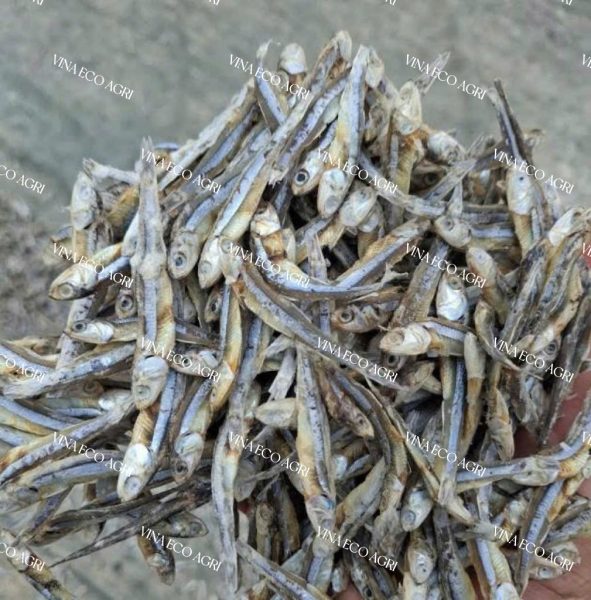
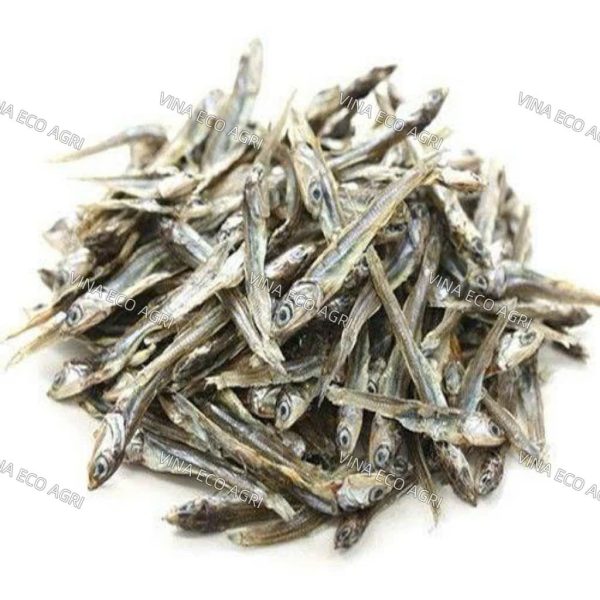
Dried anchovies are small fish that have undergone a drying process to reduce their moisture content. Depending on the product specifications and local processing practices, anchovies may be washed, sorted, cooked, salted, or dried before packaging.
The drying process helps preserve the fish and concentrates its natural savory flavor. Dried anchovies are commonly used in Asian cuisine, seafood seasoning, soup stock, and various processed food products.
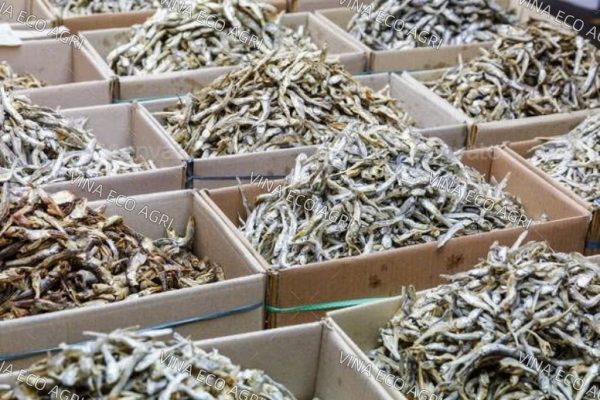
For commercial buyers, dried anchovies are available in different sizes, grades, moisture levels, and packaging formats. Product specifications vary by supplier, so buyers should confirm quality requirements before placing an order.
Dried anchovies are used in a wide range of food applications, including:
Their relatively long shelf life under suitable storage conditions makes dried anchovies a practical ingredient for wholesalers, distributors, and food manufacturers.
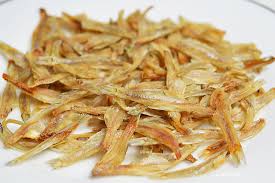
Fresh anchovies are small marine fish sold shortly after harvesting or kept chilled or frozen to maintain quality. They are known for their soft texture, mild seafood flavor, and suitability for a variety of fresh fish preparations.
Unlike dried anchovies, fresh anchovies retain most of their natural moisture. This gives them a tender texture but also makes them more perishable.
Fresh anchovies are commonly used in traditional seafood dishes, marinated fish products, fried fish, and certain fish-processing applications. They may also be used to produce salted or fermented seafood products.
Fresh anchovies are suitable for several applications, such as:
Because fresh anchovies spoil more quickly than properly dried products, temperature control and rapid handling are essential throughout transportation and distribution.

The main difference between dried anchovies and fresh anchovies is their moisture content. However, this difference also affects flavor intensity, texture, storage, transportation, and their suitability for various food applications.
| Comparison | Dried Anchovies | Fresh Anchovies |
|---|---|---|
| Moisture content | Lower due to drying | High in natural moisture |
| Texture | Firm, dry, or chewy depending on processing | Soft and tender |
| Flavor | More concentrated and savory | Milder and fresher |
| Shelf life | Generally longer when properly dried and stored | Shorter; requires careful temperature control |
| Storage | Dry, cool conditions according to product specifications | Chilled or frozen as required |
| Transportation | Often easier to store and distribute without continuous refrigeration, if shelf-stable | Usually requires a controlled cold chain |
| Processing requirements | May require soaking or cooking depending on the application | Usually requires cleaning and prompt preparation |
| Common uses | Broth, seasoning, dried snacks, processed foods | Fresh dishes, marinated fish, selected seafood products |
| Commercial considerations | Moisture, size, grade, packaging, and food safety | Freshness, temperature history, handling, and delivery time |
The actual shelf life of either product depends on processing, packaging, temperature, and hygiene. Dried anchovies are not automatically shelf-stable simply because they are dry; the supplier’s specifications and storage instructions should always be followed.
One of the most noticeable differences between dried and fresh anchovies is their flavor profile.
Dried anchovies typically have a more concentrated savory taste because moisture has been removed during processing. Their flavor makes them particularly useful in soup bases, seasoning blends, and dishes that require a pronounced seafood aroma.
Depending on the drying method, size, and degree of processing, dried anchovies may have a firm, crisp, or chewy texture.
For food manufacturers, this concentrated flavor can be valuable when developing seafood-based seasonings and ingredients for instant noodles, sauces, and packaged foods.
Fresh anchovies generally have a softer texture and a more delicate seafood flavor. They are suitable for recipes where the natural texture of the fish is important.
Their flavor and quality can deteriorate if the fish are not handled and stored correctly. Freshness, temperature control, and processing time therefore play important roles in determining the quality of the final product.

Shelf life is another important factor when comparing dried anchovies vs. fresh anchovies, especially for seafood importers and distributors.
Dried anchovies should be stored in clean, dry conditions and protected from moisture, direct sunlight, contamination, and pests. Suitable moisture-resistant packaging can help preserve product quality during transportation and storage.
For large-scale food distribution, buyers should check the following specifications:
Products with higher residual moisture may require stricter storage conditions or additional preservation measures.
Fresh anchovies require prompt chilling or freezing, depending on the intended use and distribution process. Maintaining the appropriate temperature helps preserve freshness and reduce the risk of spoilage.
For international seafood trade, buyers should evaluate cold-chain logistics, transit time, packaging, and temperature monitoring before selecting fresh anchovies.
In general, dried anchovies may be more convenient for businesses that need a product with reduced moisture and easier ambient distribution. However, the suitability of a product for international shipping depends on its actual specifications and destination-country requirements.

Both dried and fresh anchovies can provide protein and minerals. Their nutritional profiles, however, are not directly comparable without considering moisture content and processing methods.
Because dried anchovies contain less water, nutrients are often more concentrated per 100 grams than in fresh anchovies. This does not necessarily mean that dried anchovies are nutritionally superior when equivalent portions are compared.
Other factors can also affect nutritional composition, including:
Buyers who need nutritional data for product labels or food formulation should request laboratory results or a product specification sheet from their supplier.
The best option depends on the final product, manufacturing process, and storage requirements.
For industrial buyers, the decision should be based on product specifications, processing costs, storage capacity, and the requirements of the finished product rather than price alone.
For seafood importers, wholesalers, and food manufacturers, selecting a reliable dried anchovy supplier is essential for maintaining consistent product quality.
Before placing a bulk order, consider the following factors:
1. Product size and grade
Confirm the fish size, size tolerance, appearance, and grading method required for your application.
2. Moisture content
Ask for the target moisture level and the applicable testing method. Moisture affects storage stability, texture, and suitability for processing.
3. Salt content
Determine whether the product is salted or unsalted. Salt content can affect taste, formulation, labeling, and the final product’s specifications.
4. Processing method
Clarify whether the anchovies are naturally dried, mechanically dried, cooked before drying, or processed using another method.
5. Packaging options
Confirm the available packaging sizes, bulk packaging materials, and requirements for moisture protection during shipment.
6. Food safety documentation
Depending on the market and product category, buyers may require product specifications, certificates of analysis, health certificates, traceability information, and other export documentation.
7. Export capability
Discuss minimum order quantities, production lead times, shipping arrangements, and the import requirements of the destination country.
Working with a supplier that can clearly communicate product specifications helps buyers evaluate quality and reduce misunderstandings during international transactions.
Vietnam has an established seafood processing and export sector, offering opportunities for international buyers seeking seafood ingredients for food manufacturing and distribution.
When sourcing dried anchovies from Vietnam, importers should evaluate the supplier’s product specifications, quality control procedures, packaging capabilities, and export documentation. Samples and agreed product specifications can also help buyers assess whether the product meets their manufacturing requirements.
VINA ECO AGRI., LTD works with agricultural and food ingredient products for international B2B markets. Buyers interested in dried anchovies or other Vietnamese food ingredients can contact the company to discuss product requirements, specifications, and sourcing opportunities.
For a quotation, please share your required anchovy size, processing type, packaging, estimated order quantity, and destination country.
Contact VINA ECO AGRI., LTD:
Feel free to contact us to discuss your dried anchovy sourcing requirements.
Dried anchovies and fresh anchovies each offer advantages for different food applications. Dried anchovies have a concentrated flavor, lower moisture content, and potential storage and distribution benefits, making them suitable for soup stock, seasoning, dried seafood products, and selected food-processing applications.
Fresh anchovies are better suited to products that require tender fish texture and fresh seafood characteristics, but they need careful temperature control and faster handling.
For food manufacturers, wholesalers, and importers, the right choice depends on product specifications, processing needs, storage conditions, and market requirements. By understanding these key differences, buyers can select the most appropriate anchovy product for their business.
Looking for a dried anchovy supplier in Vietnam? Contact VINA ECO AGRI., LTD to discuss your bulk purchasing and export requirements.