Cashew nuts are one of the most popular tree nuts in the world, valued not only for their rich, buttery taste but also for their impressive nutritional profile. Often enjoyed as a snack or used in cooking, cashew nuts provide essential nutrients that support overall health and well-being. When eaten in moderation, they can be a powerful addition to a balanced daily diet.
This article explains why cashew nuts are good for your health and how they contribute to long-term wellness.

Cashew nuts are naturally rich in vital nutrients the body needs to function properly. A typical serving of cashews contains:
Healthy monounsaturated and polyunsaturated fats
High-quality plant-based protein
B-complex vitamins, vitamin E, and vitamin K
Important minerals such as magnesium, zinc, iron, phosphorus, and copper
Natural antioxidants
These nutrients work together to support energy production, immune defense, and overall metabolic health.
One of the key reasons cashew nuts are good for your health is their positive effect on the heart. Cashews contain healthy fats that help lower bad LDL cholesterol while supporting good HDL cholesterol levels.
Magnesium and potassium found in cashew nuts also help regulate blood pressure and improve blood circulation, reducing the risk of cardiovascular diseases when consumed regularly as part of a healthy diet.
Although cashew nuts are calorie-dense, they can support weight management when eaten in controlled portions. The combination of protein, healthy fats, and fiber helps promote fullness and reduces unnecessary snacking.
Cashew nuts also help stabilize blood sugar levels, which plays an important role in appetite control and energy balance.

Cashew nuts are an excellent natural energy source. They contain iron and copper, which are essential for red blood cell production and oxygen transport throughout the body.
Regular consumption of cashew nuts can help combat fatigue, improve physical endurance, and support an active lifestyle.
Cashew nuts are rich in magnesium, phosphorus, and calcium, all of which contribute to strong bones and healthy joints. Copper in cashews supports collagen formation, which is essential for maintaining joint flexibility and bone strength.
This makes cashew nuts beneficial for people of all ages, especially older adults and physically active individuals.
The healthy fats and B vitamins in cashew nuts play an important role in brain health. These nutrients support cognitive function, memory, and concentration.
Antioxidants in cashew nuts also help protect brain cells from oxidative stress, supporting long-term mental health.
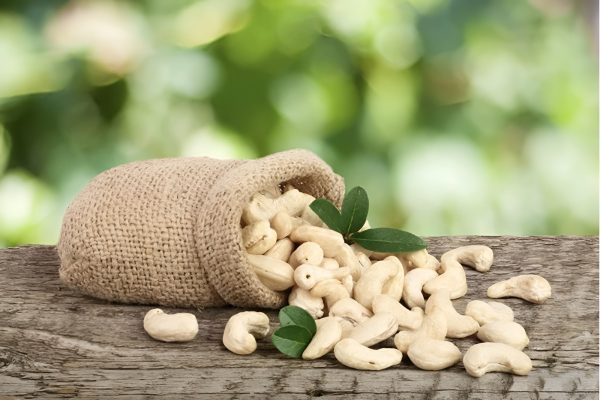
Cashew nuts contribute to healthy skin and hair due to their copper and vitamin E content. Copper supports melanin production, helping maintain natural hair color and skin protection, while vitamin E acts as a powerful antioxidant that slows signs of aging.
Zinc and antioxidants found in cashew nuts help strengthen the immune system. These nutrients support the body’s ability to fight infections, promote wound healing, and maintain overall immune health.
Including cashew nuts in your diet can help keep your immune system strong throughout the year.
Cashew nuts are versatile and easy to include in everyday meals. They can be consumed as:
A healthy snack
An ingredient in salads and stir-fried dishes
A base for dairy-free milk and sauces
A topping for cereals, smoothies, and dessert
Cashew nuts are good for your health because they provide essential nutrients that support heart health, energy levels, brain function, immunity, and overall wellness. When eaten in moderation, cashew nuts are a delicious and nutritious superfood suitable for daily consumption. Adding cashew nuts to your diet is a simple yet effective way to support long-term health naturally.
Health benefits of cashew nuts, cashew nuts nutrition, cashew nuts daily intake, are cashew nuts healthy, raw cashew nuts benefits