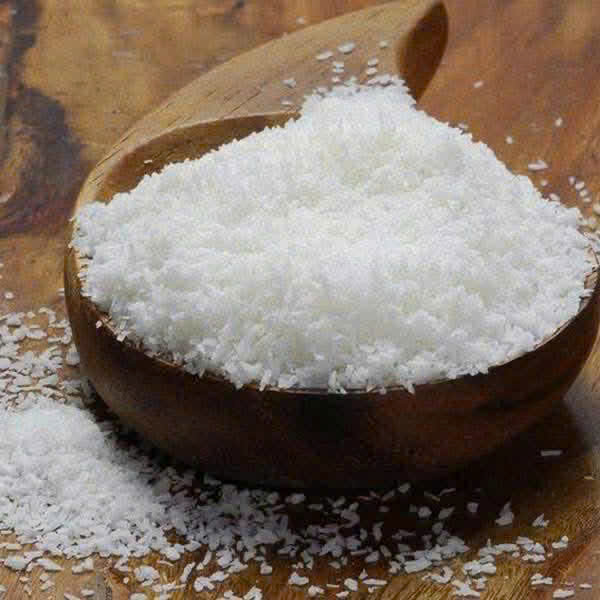
Desiccated coconut is a widely used ingredient in the global food industry, valued for its natural coconut flavor, pleasant texture, and versatility. From bakery products and confectionery to snacks and ready-to-eat foods, this ingredient plays an important role in commercial food manufacturing. As demand for coconut-based ingredients continues to grow, many manufacturers, distributors, and importers are looking for reliable suppliers offering consistent quality and competitive wholesale prices.
Understanding wholesale desiccated coconut grades, packaging options, and applications helps buyers select the right product for their production requirements. Whether you are sourcing desiccated coconut for retail distribution or industrial food processing, choosing a dependable supplier is essential for maintaining product quality and supply chain efficiency.

Desiccated coconut is produced from the white flesh of mature coconuts. The coconut meat is typically removed from the shell, peeled, washed, processed into different particle sizes, and dried to reduce its moisture content.
Unlike sweetened coconut products, conventional desiccated coconut is generally unsweetened and contains no added sugar, although specifications vary by supplier. Its natural coconut aroma and relatively long shelf life make it a practical ingredient for food manufacturers and wholesale distributors.
Desiccated coconut is available in several particle sizes, allowing buyers to select products that match their recipes, processing methods, and final product appearance.
For international buyers, important purchasing considerations include:
These factors help ensure that the product meets the quality standards of the intended market.
One of the most important considerations when purchasing desiccated coconut in bulk is selecting the appropriate grade. Different grades offer different textures and visual characteristics, making them suitable for specific food applications.
Fine desiccated coconut has small particles and a relatively uniform texture. It is suitable for products that require even distribution throughout the mixture.
Common applications include:
Fine-grade coconut is a practical option for manufacturers who want a consistent coconut flavor without large visible flakes.
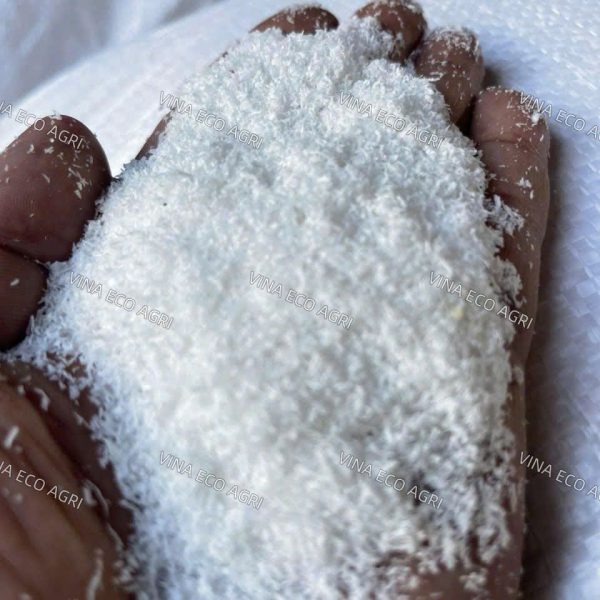
Medium-grade desiccated coconut offers a balance between texture and ease of processing. Its particle size makes it suitable for a wide range of commercial food products.
Typical applications include:
For buyers serving multiple food manufacturing sectors, medium-grade desiccated coconut can provide flexibility across different recipes.
Coarse desiccated coconut contains larger particles that provide a more noticeable texture and coconut appearance. It is often selected when the visual presentation of coconut is an important part of the finished product.
Common applications include:
Buyers should confirm the particle-size range with their suppliers because grade names and specifications can vary between producers.
Toasted desiccated coconut is produced by applying heat to develop a more pronounced roasted aroma and golden-brown color. It is different from standard dried desiccated coconut and may require specific processing and storage conditions.
Potential applications include:
When sourcing toasted coconut wholesale, buyers should confirm the roasting level, ingredient declaration, and packaging requirements.
Packaging is an important part of bulk desiccated coconut procurement. Suitable packaging helps protect the product from moisture, contamination, and damage during transportation and storage.
Depending on the supplier, destination market, and order quantity, wholesale desiccated coconut may be available in the following packaging formats.

Bulk packaging is suitable for food manufacturers, ingredient distributors, and importers purchasing large quantities.
Common options may include food-grade inner liners combined with woven bags or other protective outer packaging. Typical commercial pack sizes include 10 kg, 20 kg, and 25 kg, subject to supplier availability and buyer requirements.
Advantages include:
Buyers should verify the actual packaging materials, bag weight, and pallet configuration before placing an order.
Food-grade bags help protect desiccated coconut from external contamination and moisture exposure. Depending on the product specification, packaging may use polyethylene liners or multilayer materials designed for food ingredients.
When evaluating packaging, importers should consider:
Proper packaging is particularly important when shipping coconut products across long distances or storing them in humid environments.
Some suppliers may offer customized packaging for distributors, retailers, and private-label brands. Options can include different net weights, printed packaging, and customized labels, depending on minimum order quantities and production capabilities.
Private-label packaging can help businesses develop their own coconut ingredient brands and serve specific retail or food-service markets.
Before confirming a private-label order, buyers should agree on artwork, label information, language requirements, packaging materials, and lead time.
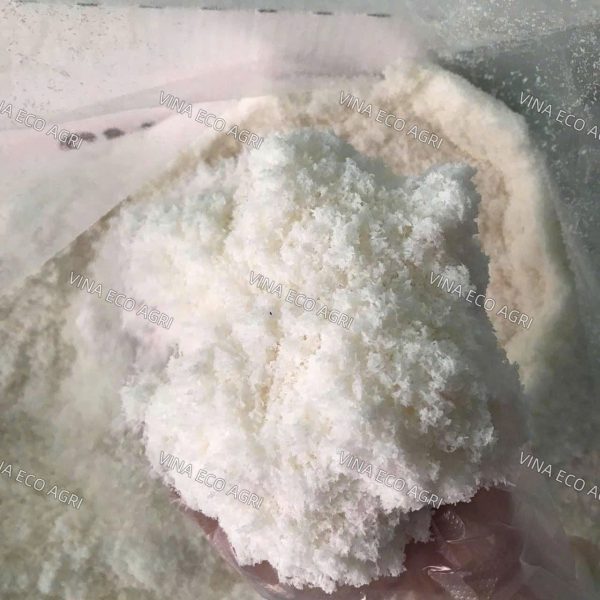
Desiccated coconut is a versatile ingredient used in various food manufacturing sectors. Its flavor, texture, and compatibility with other ingredients make it suitable for both traditional recipes and modern food products.
Desiccated coconut is widely used in cakes, cookies, muffins, biscuits, and pastries. Fine particles can be mixed into dough or batter, while coarser particles can be added as toppings.
It helps manufacturers introduce coconut flavor and texture into different bakery formulations.
Coconut is a popular ingredient in candies, chocolate bars, pralines, and coconut-based fillings. Desiccated coconut can be blended with other ingredients or used as an outer coating, depending on the recipe.
Manufacturers should select a grade that matches the required texture, moisture specification, and processing method.
Food producers can incorporate desiccated coconut into granola, cereal mixes, snack bars, and other packaged snacks. It can complement nuts, dried fruits, seeds, and grains.
For these applications, consistent particle size and flavor are important for maintaining product uniformity between batches.
Desiccated coconut can be used in selected dairy desserts, yogurt toppings, plant-based formulations, and coconut-flavored products. Its suitability depends on the recipe, processing conditions, and desired texture.
Manufacturers should conduct formulation and stability testing before introducing a new coconut ingredient into commercial production.
Importers and wholesalers can distribute desiccated coconut to bakeries, confectionery producers, catering companies, and food-processing factories.
Offering several grades and packaging formats allows distributors to serve customers with different production volumes and product requirements.
Selecting a reliable supplier is essential for importers seeking consistent product quality and dependable delivery schedules.
Request a technical data sheet that clearly identifies particle size, moisture content, color, flavor, and other relevant quality parameters. Specifications should match the buyer’s intended application and destination-market requirements.
Depending on the market and supplier, relevant documents may include a Certificate of Analysis (COA), product specification sheet, Certificate of Origin, and applicable food safety certifications.
Buyers should verify certificates and documentation rather than assuming that every supplier holds the same approvals.
Ask for details about the packaging materials, net weight, storage recommendations, and declared shelf life. Shelf life should be supported by the product specification and storage conditions.
An experienced export supplier should be able to communicate clearly about order quantities, lead times, shipping arrangements, and export documentation. Confirm the applicable Incoterms and responsibilities before finalizing the contract.
Product samples allow buyers to assess appearance, aroma, texture, and suitability for their manufacturing processes. Sample evaluation can reduce the risk of quality inconsistencies in larger shipments.
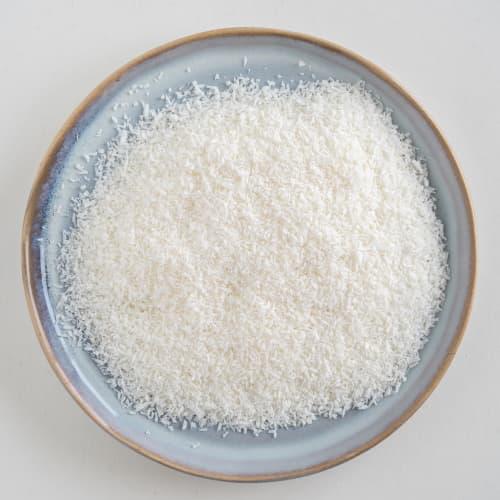
Vietnam is an established coconut-producing country with agricultural processing and export businesses serving domestic and international markets. Buyers considering Vietnamese desiccated coconut can evaluate suppliers based on product specifications, processing capabilities, quality control, and export services.
Sourcing from Vietnam may provide opportunities to develop long-term relationships with suppliers familiar with international agricultural trade. However, actual pricing, availability, and product quality depend on the supplier, harvest conditions, specifications, and order volume.
When comparing offers, buyers should evaluate the total landed cost rather than focusing exclusively on the quoted product price. Freight, insurance, import duties, handling charges, and applicable compliance costs can all affect the final purchasing decision.
The main difference is particle size. Fine coconut has smaller particles, medium coconut offers a balanced texture, and coarse coconut contains larger pieces. The best option depends on the recipe and intended application.
Standard desiccated coconut is generally unsweetened, but buyers should confirm the ingredient declaration and product specification with the supplier.
Common commercial options may include 10 kg, 20 kg, and 25 kg bags with suitable food-grade inner packaging. Actual sizes and materials depend on the supplier and order requirements.
Store the product in a cool, dry, clean environment, away from direct sunlight, moisture, and strong odors. Follow the supplier’s storage instructions and keep the packaging properly sealed after opening.
Buyers should specify the required grade, particle size, quantity, packaging format, destination country, preferred shipping terms, and any quality or certification requirements. These details help suppliers prepare a more accurate quotation.
Choosing the right desiccated coconut grade, packaging format, and supplier can help food manufacturers and distributors maintain product consistency and improve purchasing efficiency.
VINA ECO AGRI supports international agricultural sourcing by connecting buyers with suitable product options based on their business requirements. If you are looking for wholesale desiccated coconut for bakery, confectionery, snack production, or food ingredient distribution, our team welcomes your inquiry.
Contact VINA ECO AGRI for wholesale desiccated coconut inquiries:
Feel free to contact us with your required specifications, order quantity, packaging preferences, and destination market. Our team will be happy to discuss suitable sourcing options for your business.