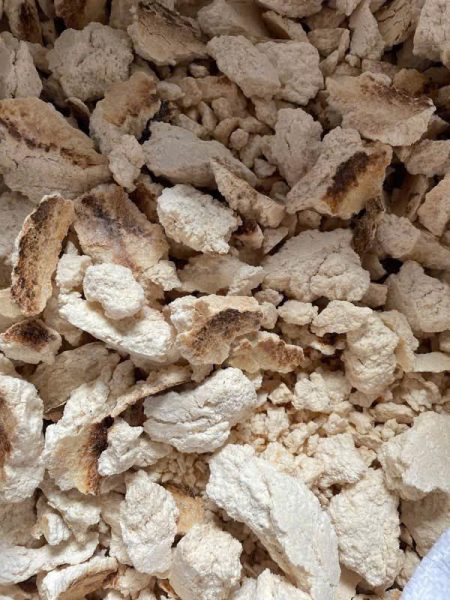
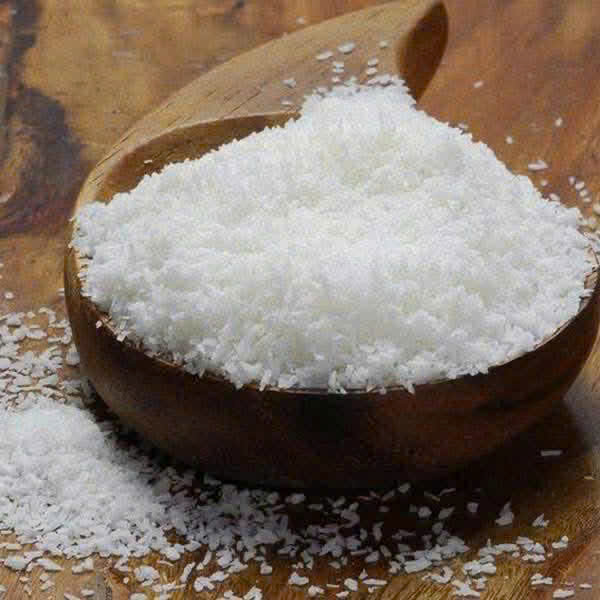
Vietnam is one of the countries with a well-developed coconut industry, offering opportunities for international buyers seeking reliable coconut ingredients. With applications across the food processing, bakery, confectionery, and snack industries, desiccated coconut has become a popular ingredient in global markets.
Choosing the right desiccated coconut supplier in Vietnam is essential for businesses that require consistent product quality, competitive pricing, and reliable export services. This guide explains the characteristics of desiccated coconut, key quality factors, common applications, and what international buyers should consider when sourcing from Vietnam.
Desiccated coconut is made from the white flesh of mature coconuts. The coconut meat is processed, dried, and cut into different sizes to create a convenient ingredient for food manufacturing and commercial use.
Unlike fresh coconut, desiccated coconut has a lower moisture content, making it easier to store, transport, and incorporate into various food products when properly packaged and handled.
Depending on processing requirements, desiccated coconut is available in several forms, including:
The appropriate type depends on the buyer’s manufacturing process, product specifications, and target market.
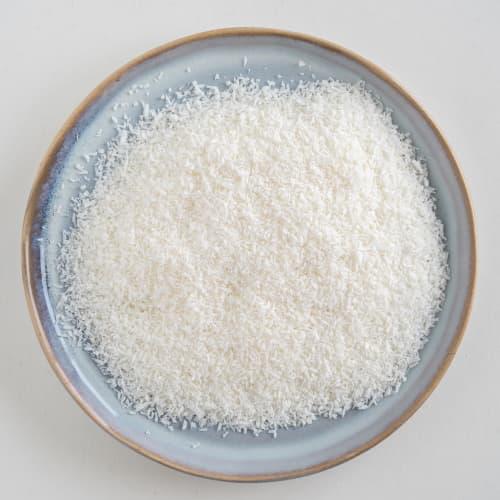
Vietnam has favorable tropical growing conditions and an established coconut-processing industry. These factors make the country an attractive sourcing destination for businesses looking for coconut-based ingredients.
Vietnam’s coconut-growing regions, particularly in the Mekong Delta, provide access to mature coconuts used in food processing. A strong connection between raw material suppliers and processors can support the production of desiccated coconut for domestic and international markets.
Different food manufacturers require different coconut sizes, moisture levels, and packaging formats. Depending on the supplier’s production capabilities, buyers may request specific grades, particle sizes, and packaging options to meet their manufacturing requirements.
Working with a Vietnamese desiccated coconut supplier may provide opportunities to compare pricing, production capacity, and shipping arrangements. The final cost depends on product grade, order volume, packaging, shipping terms, and destination.
Vietnamese coconut products serve a range of international markets. However, importers should confirm the supplier’s export experience, destination-specific requirements, documentation capabilities, and ability to meet agreed delivery schedules before placing an order.
Product quality is one of the most important considerations when sourcing desiccated coconut in bulk. Buyers should review the following factors before confirming a purchase.
Moisture content affects product stability, storage, and shelf life. Buyers should establish a clear moisture specification with the supplier and request supporting test results where appropriate.
The acceptable limit should be based on the product grade, buyer requirements, and applicable food standards rather than assuming that every desiccated coconut product has the same specification.
High-quality desiccated coconut generally has a natural white to creamy-white appearance. The product should be reasonably uniform in color and free from visible foreign materials.
Unusual discoloration may indicate differences in raw materials, processing, or storage conditions and should be investigated before shipment.
Desiccated coconut should have a characteristic coconut aroma and flavor without undesirable rancid, musty, or foreign odors.
Proper processing, suitable packaging, and appropriate storage conditions help maintain its sensory quality throughout distribution.
Particle size influences the appearance, texture, and performance of desiccated coconut in finished products. Fine, medium, and coarse grades serve different manufacturing purposes.
Before ordering, buyers should confirm the required particle size and ask whether the supplier can provide a product sample for evaluation.
Food safety is essential when importing ingredients for commercial production. Depending on the intended application and destination market, buyers may need specifications and test reports covering microbiological criteria, contaminants, and other relevant safety parameters.
Ask the supplier about its food safety management system, traceability procedures, and available certifications. Any certification claim should be verified against current, valid documentation.
Desiccated coconut should be packed in suitable food-grade packaging that protects it from moisture, contamination, and damage during handling and transportation.
Buyers should confirm the packaging material, net weight, storage instructions, production date, expiry or best-before date, and shelf life under the stated storage conditions.
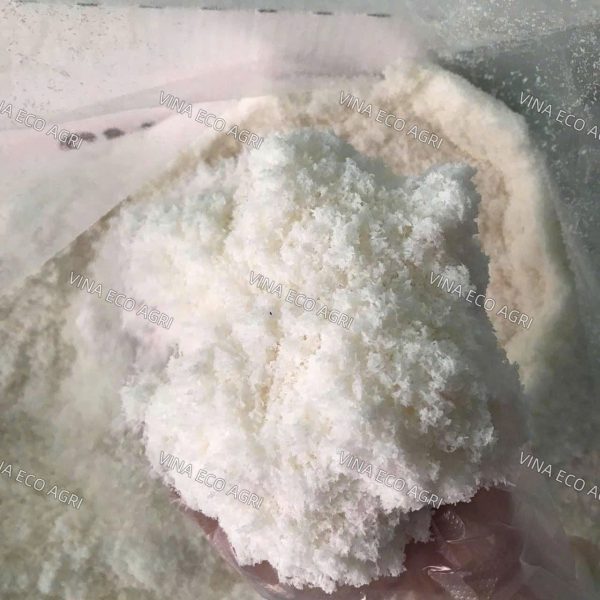
Desiccated coconut is a versatile ingredient used in a wide range of food products.
Bakery products: It can be incorporated into cookies, cakes, muffins, pastries, and bread to provide coconut flavor and texture.
Confectionery: Chocolate products, coconut candies, dessert bars, and confectionery coatings often use desiccated coconut as an ingredient.
Snacks and cereals: Manufacturers may add coconut to granola, cereal mixes, energy bars, and snack products.
Desserts and toppings: Desiccated coconut works well in puddings, ice cream, sweet soups, and other desserts.
Food ingredient manufacturing: Processors can use different coconut grades in customized formulations, depending on the required texture and flavor profile.
For manufacturers, choosing the correct grade can improve product consistency and reduce the need for additional processing.
International buyers should evaluate both the product and the supplier’s ability to manage export requirements.
Before requesting a quotation, prepare a specification sheet covering:
Clear specifications help suppliers provide more accurate quotations and reduce misunderstandings during production.
Export documentation depends on the product, destination, and applicable regulations. Common documents may include a commercial invoice, packing list, bill of lading, and certificate of origin when applicable.
Depending on the importing country’s requirements, additional documents such as health certificates, phytosanitary documents where applicable, or food safety documentation may be required. Buyers should confirm the exact requirements with their customs broker and relevant authorities before shipment.
Shipping arrangements should be agreed upon before the order is finalized. Buyers should confirm the shipment quantity, loading schedule, destination port, Incoterms, and responsibility for freight, insurance, and customs-related costs.
For bulk orders, appropriate packaging, container loading, and protection against moisture are important considerations during transportation.
Reliable communication helps buyers manage product specifications, sample approval, production updates, and shipping arrangements.
A professional supplier should be able to explain its product offerings, provide available technical documentation, clarify order requirements, and communicate any potential changes to the agreed schedule.

When comparing suppliers, international buyers should look beyond the quoted price.
Consider these practical steps:
These steps can help reduce sourcing risks and establish a more reliable long-term supply relationship.
Vina Eco Agri supports B2B sourcing connections for agricultural products and food ingredients from Vietnam. For businesses looking for a desiccated coconut supplier in Vietnam, discussing product requirements in detail is an important first step toward identifying a suitable supply solution.
International buyers can contact Vina Eco Agri to discuss product specifications, required quantities, packaging preferences, and export requirements.
Whether you are a food manufacturer, ingredient distributor, wholesaler, or importer, defining your sourcing needs clearly can help streamline the quotation and purchasing process.
Contact Vina Eco Agri
Feel free to contact us to discuss your desiccated coconut sourcing requirements and explore potential business opportunities with a Vietnamese supplier.
Desiccated coconut is widely used in bakery products, confectionery, chocolates, snacks, cereals, desserts, and other processed foods.
Compare product specifications, quality control procedures, available test reports, packaging, export experience, order capacity, and delivery terms. Request samples when possible before confirming a bulk order.
Fine desiccated coconut has smaller particles and is suitable for smooth fillings and coatings. Coarse desiccated coconut provides a more noticeable texture and is often used as a topping or in textured food products.
Common shipping documents include a commercial invoice, packing list, and bill of lading. Other documents depend on the destination country’s food import regulations and the specific shipment.
Bulk sourcing may be available depending on the supplier’s capacity, product specifications, and order requirements. Buyers should confirm the minimum order quantity, available volume, packaging, and delivery schedule directly with the supplier.
Vietnam offers sourcing opportunities for businesses seeking desiccated coconut for food manufacturing and distribution. To find the right supplier, buyers should prioritize consistent quality, transparent specifications, suitable packaging, food safety documentation, and dependable export coordination.
By carefully evaluating these factors, international buyers can make more informed sourcing decisions and build long-term business relationships with Vietnamese coconut suppliers.