Vietnamese desiccated coconut is becoming an attractive ingredient for food manufacturers seeking reliable sourcing, natural coconut flavor, and versatile applications. With its established coconut-growing regions and developing agricultural processing industry, Vietnam offers opportunities for international buyers looking for desiccated coconut for bakery products, confectionery, snacks, and other food applications.
For global food manufacturers, choosing the right desiccated coconut supplier is essential for maintaining product consistency, controlling production costs, and meeting market requirements. This article explores the characteristics, applications, sourcing advantages, and key considerations when importing Vietnamese desiccated coconut.
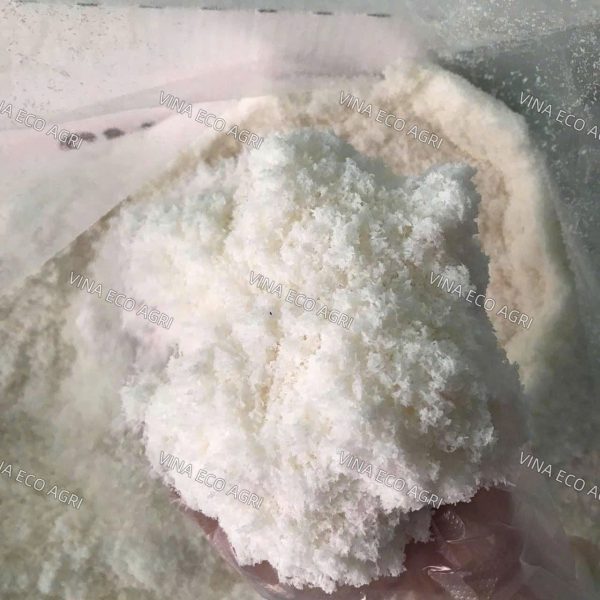
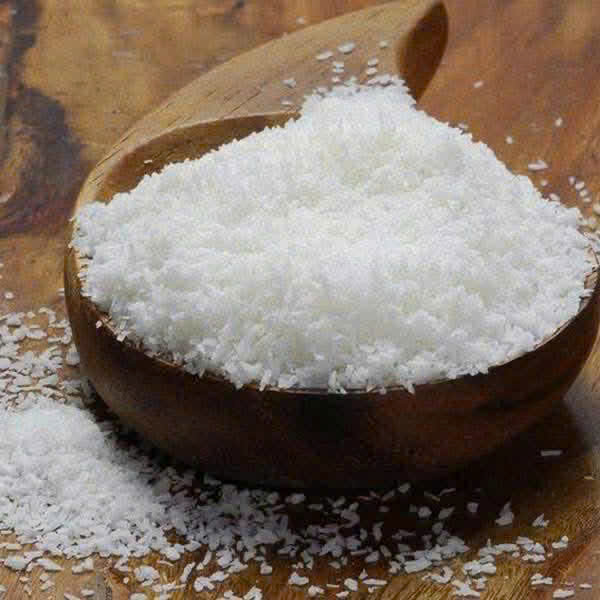
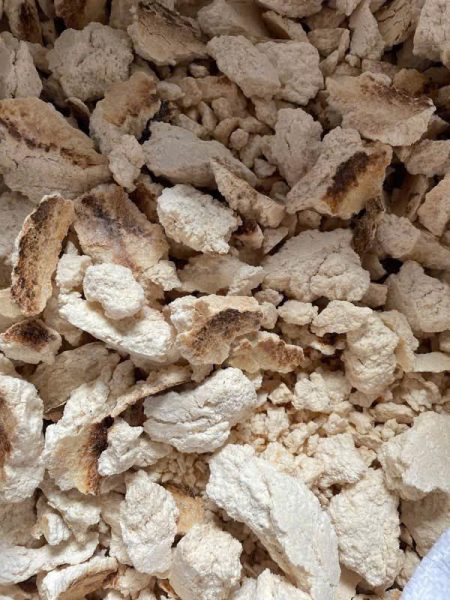
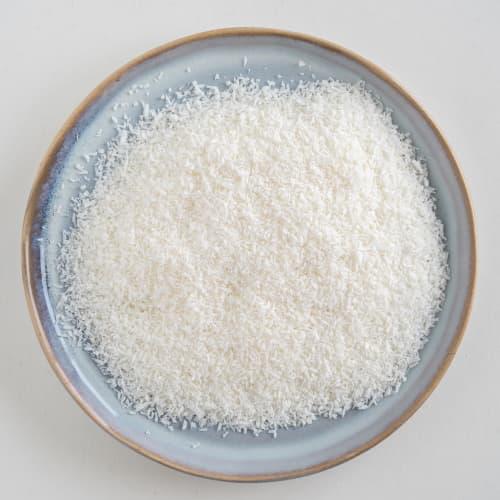
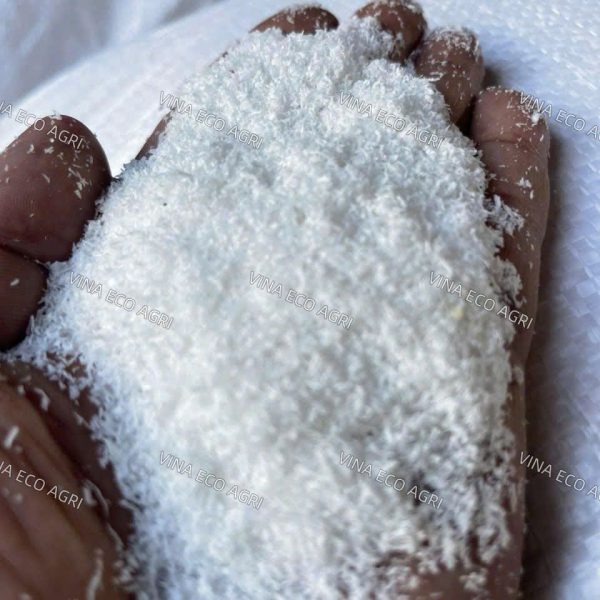
Desiccated coconut is produced from mature coconut kernels that are processed, finely shredded or grated, and dried to reduce moisture content. The result is a convenient coconut ingredient that retains its characteristic aroma, flavor, and texture.
Vietnamese desiccated coconut is available in different particle sizes and specifications to suit various food manufacturing needs. Depending on the supplier and production requirements, buyers can request fine, medium, or coarse grades.
Common product characteristics include:
Actual moisture content, fat content, color, particle size, and microbiological specifications should be confirmed with the supplier before placing an order.

Vietnam has a well-established coconut industry, particularly in the Mekong Delta, where coconut cultivation supports both domestic consumption and agricultural processing. This creates opportunities for international buyers to source coconut-based ingredients for commercial production.
Vietnamese coconut processors can supply coconut-derived ingredients for different food manufacturing applications. Working directly with an experienced exporter may help buyers coordinate product specifications, packaging requirements, and shipment schedules.
For importers and manufacturers, supplier selection should consider processing capabilities, quality control procedures, export experience, and the ability to provide consistent batches.
Different food products require different coconut textures and characteristics. For example, fine desiccated coconut may be suitable for fillings and ingredient blends, while medium or coarse grades can be used for toppings and coatings.
Before purchasing Vietnamese desiccated coconut, buyers should specify their preferred particle size, moisture limits, fat content, packaging format, and intended application.
Vietnam’s coconut-growing and processing sector provides sourcing opportunities for businesses looking to diversify their agricultural ingredient supply chains.
However, the final purchasing cost depends on product grade, order volume, processing requirements, packaging, freight, and destination-market regulations. Buyers should compare quotations based on equivalent product specifications rather than price alone.
Vietnamese desiccated coconut can be considered by importers, ingredient distributors, food processors, and private-label manufacturers in various international markets.
Export readiness depends on the supplier’s documentation, product compliance, packaging, and ability to meet the importing country’s food safety requirements.

One of the main advantages of desiccated coconut is its versatility. Food manufacturers can incorporate it into numerous product categories.
Desiccated coconut is widely used in cakes, cookies, biscuits, muffins, pastries, and bread. It adds coconut flavor and texture while providing an appealing appearance.
Manufacturers can use it as an ingredient in dough and batter, mix it into fillings, or sprinkle it over finished bakery products.
Chocolate makers and confectionery producers use desiccated coconut in coconut-filled chocolates, pralines, candy bars, truffles, and sweet coatings.
Its texture and flavor complement chocolate, caramel, and other sweet ingredients. The appropriate grade depends on the desired mouthfeel and formulation.
Desiccated coconut can be incorporated into granola, cereal bars, trail mixes, energy bites, and assorted snack products.
Food manufacturers may combine it with nuts, seeds, dried fruits, and grains to develop products with distinctive flavors and textures.
Coconut is a popular ingredient in puddings, dessert toppings, ice cream inclusions, and plant-based dessert formulations.
Desiccated coconut can contribute texture and flavor, although its performance depends on the formulation and processing method.
Ingredient manufacturers may include desiccated coconut in dry mixes, baking premixes, confectionery blends, and customized food formulations.
For industrial applications, consistent particle size and reliable product specifications are important for maintaining the quality of finished products.
When sourcing Vietnamese desiccated coconut for commercial production, international buyers should evaluate several quality parameters.
| Specification | What Buyers Should Check |
|---|---|
| Moisture content | Confirm the agreed maximum moisture level |
| Fat content | Select a grade suitable for the intended application |
| Particle size | Specify fine, medium, coarse, or a custom range |
| Color and appearance | Check for an acceptable natural color and uniformity |
| Aroma and flavor | Confirm a clean, characteristic coconut profile |
| Microbiological quality | Request test results and applicable food safety documentation |
| Foreign matter | Verify inspection and control procedures |
| Packaging | Confirm food-grade packaging and protection against moisture |
| Shelf life | Check validated shelf life and recommended storage conditions |
Specifications can vary by grade and supplier. Buyers should request a product specification sheet and, where appropriate, a representative sample before confirming a bulk order.
Proper packaging helps protect desiccated coconut from moisture, contamination, and changes in product quality during transportation and storage.
Depending on the supplier’s available options and the buyer’s requirements, packaging may include food-grade inner liners and suitable outer bags or other approved formats.
For international shipments, buyers should confirm:
Desiccated coconut should generally be stored in a cool, dry, clean environment, away from direct sunlight, strong odors, and moisture. Storage conditions should follow the supplier’s product guidance.
Finding the right supplier is an important step in building a stable ingredient supply chain. Before placing a bulk order, global food manufacturers should assess the following factors.
Product consistency: Ask whether the supplier can maintain agreed specifications across multiple shipments.
Quality assurance: Request relevant laboratory reports, quality certificates, and food safety documentation. Verify that any claimed certifications are current and applicable to the supplying facility.
Export documentation: Confirm the availability of the commercial invoice, packing list, certificate of origin where applicable, and other documents required by the destination market.
Production and supply capacity: Discuss minimum order quantities, lead times, monthly supply capabilities, and shipment planning.
Transparent quotations: Compare product specifications, packaging, Incoterms, payment terms, and shipping costs before making a purchasing decision.
Communication and after-sales support: A responsive supplier can help resolve specification questions, coordinate samples, and address issues that may arise during an order.

Import requirements vary depending on the destination country and the product’s intended use. Before shipment, buyers should verify applicable food safety regulations, labeling requirements, customs classification, and import documentation.
It is also important to confirm whether the product meets the buyer’s internal quality standards and any applicable microbiological or contaminant limits.
For first-time orders, requesting samples and reviewing the technical specification sheet can help reduce uncertainty before committing to a commercial shipment.
Vina Eco Agri supports international B2B sourcing of Vietnamese agricultural products and food ingredients. We welcome inquiries from food manufacturers, ingredient distributors, importers, and trading companies interested in Vietnamese coconut products.
If you are looking for a desiccated coconut supplier in Vietnam, contact our team to discuss your product requirements, target specifications, packaging preferences, and order volume.
Contact Vina Eco Agri
Feel free to contact us for further information about sourcing Vietnamese agricultural ingredients for your business.
Desiccated coconut is used in cakes, cookies, chocolate, confectionery, snack bars, cereals, desserts, and various processed food products.
Common options include fine, medium, and coarse grades. Availability depends on the supplier and production specifications.
Buyers should review the product specification sheet, moisture and fat content, particle size, microbiological test results, packaging, and relevant food safety documentation.
Bulk purchasing may be available depending on the supplier’s capacity, order volume, product grade, and packaging requirements. Buyers should confirm minimum order quantities and lead times directly with the exporter.
Buyers can contact Vina Eco Agri at Henry@veavn.com and provide their required grade, specifications, packaging, destination port, and estimated order quantity to support a more accurate quotation.
Vietnamese desiccated coconut offers international food manufacturers a versatile coconut ingredient for bakery, confectionery, snacks, and other food applications. By evaluating product specifications, quality assurance, packaging, export documentation, and supplier reliability, buyers can make better-informed sourcing decisions.
For businesses seeking Vietnamese agricultural ingredients, Vina Eco Agri welcomes inquiries from global buyers interested in discussing desiccated coconut sourcing opportunities.
Contact Henry@veavn.com or visit https://veavn.com/en/ to discuss your requirements.