The global demand for high-quality cocoa beans continues to grow as chocolate manufacturers, cocoa processors, and food companies seek reliable raw materials. However, not all cocoa beans meet the quality requirements of international buyers. Factors such as bean quality, moisture content, fermentation, traceability, and packaging play an important role in determining whether cocoa beans are suitable for export.
Understanding what makes premium cocoa beans suitable for export helps importers choose the right supplier, maintain consistent product quality, and build long-term business relationships.
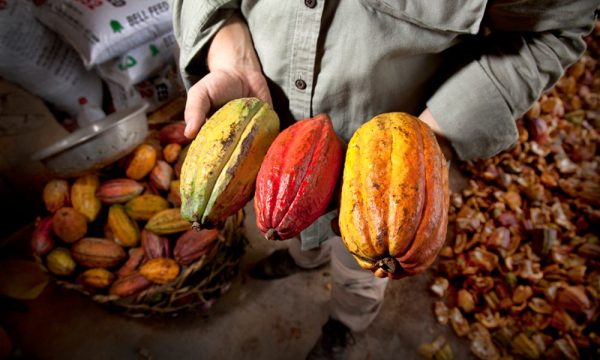
Premium cocoa beans are carefully selected cocoa beans that meet specific quality requirements for processing, flavor development, storage, and international trade.
These beans are generally evaluated based on their physical appearance, fermentation quality, moisture level, bean size, and freedom from defects. Depending on the intended application, buyers may also consider cocoa variety, origin, flavor profile, and production methods.
Premium cocoa beans are commonly used in the production of:
For international buyers, premium quality means more than attractive appearance. Consistency, food safety, and reliable supply are equally important.
Fermentation is one of the most important stages in cocoa processing. It helps develop the flavor and aroma precursors that contribute to the characteristic taste of chocolate.
Well-fermented cocoa beans generally develop desirable brown coloration and more balanced flavor characteristics. In contrast, under-fermented beans may have excessive bitterness or astringency, while poorly processed beans can develop undesirable flavors.
Exporters should monitor fermentation conditions carefully and use appropriate quality checks to ensure the beans meet the buyer’s specifications.
Moisture content is a critical factor affecting the storage stability and export quality of cocoa beans.
Cocoa beans that contain excessive moisture may be more susceptible to mold growth, deterioration, and off-flavors during storage and transportation. Over-dried beans, meanwhile, may become brittle and suffer greater physical damage during handling.
For many export markets, a moisture content of approximately 7% or below is a common target, although the exact specification should be agreed upon with the buyer and verified against applicable standards.
Proper drying and moisture testing help protect product quality throughout international shipping.
Premium export cocoa beans should be carefully sorted to remove defective beans and foreign materials.
Common quality defects include:
The acceptable defect levels depend on the buyer’s requirements, the cocoa grade, and the applicable market standards.
Effective cleaning, sorting, and inspection help exporters deliver a more consistent product and reduce the risk of rejected shipments.
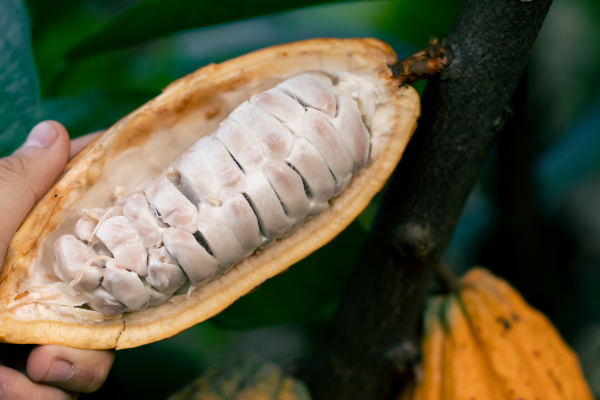
Bean size and uniformity can influence processing efficiency and buyer preferences. Consistent beans are generally easier to handle and evaluate during quality control.
Importers may assess bean count per unit of weight, physical integrity, color, and the proportion of defective beans. A cut test can also help evaluate internal color and fermentation quality.
Although appearance alone does not determine cocoa quality, consistent physical characteristics can make a shipment more attractive to commercial buyers.
Flavor is particularly important for chocolate manufacturers and specialty cocoa producers.
Depending on the cocoa variety, origin, fermentation, and drying process, cocoa beans may offer flavor notes such as chocolate, nuts, fruit, caramel, or floral aromas.
Premium cocoa beans should have a clean, characteristic cocoa aroma without undesirable smoky, musty, rancid, or chemical odors.
For buyers targeting specialty chocolate markets, sensory evaluation and traceable origin information can provide additional value.
Meeting food safety requirements is essential for exporting cocoa beans to international markets. Buyers need confidence that the products are suitable for further processing and comply with the regulations of their destination countries.
Important considerations include:
Contaminant control: Cocoa beans should be handled and stored to minimize contamination from foreign materials, pests, mold, and other hazards.
Chemical residue management: Suppliers should understand applicable limits for pesticide residues and other regulated contaminants in the target market.
Heavy metal monitoring: Cadmium and other regulated contaminants may be relevant depending on the product, origin, destination, and applicable legislation.
Hygienic handling: Clean facilities, suitable storage conditions, and good handling practices help maintain product integrity.
Documentation and traceability: Buyers may request product specifications, certificates of analysis, certificates of origin, phytosanitary documentation where applicable, and other export documents.
Specific requirements differ between destinations. Exporters should confirm the latest regulations and documentation requirements before shipping.

Even high-quality cocoa beans can deteriorate if they are packaged or stored incorrectly.
Export-ready cocoa beans should be packed in clean, durable packaging suitable for food ingredients and the intended shipping conditions. Packaging must protect the beans against moisture, contamination, pests, and physical damage.
Common export practices include:
Proper storage and container preparation are particularly important for long-distance shipments, where changes in temperature and humidity may affect product quality.
Traceability has become increasingly important in the international cocoa trade. Chocolate manufacturers and ingredient buyers often want to understand where their raw materials originate and how they are produced.
A reliable cocoa supplier should be able to provide relevant information about the country or region of origin, processing methods, lot identification, and supply chain records.
Sustainable sourcing can also be an advantage. Depending on the buyer’s requirements, this may involve responsible farming practices, environmental management, labor standards, and third-party certifications.
Certifications such as organic or Fairtrade should only be claimed when the relevant products and supply chain are properly certified. Buyers should verify documentation and confirm whether a certification is required for their target market.
Clear traceability helps importers assess supplier reliability and supports more transparent business relationships.
Choosing high-quality cocoa beans can offer several practical benefits for manufacturers, processors, and distributors.
More consistent production: Better control of fermentation, moisture, and defects can help reduce variations in processing performance.
Improved flavor development: Properly fermented beans provide a better foundation for developing desirable chocolate flavor profiles.
Reduced quality risks: Inspection, sorting, and appropriate storage can help minimize mold, contamination, and shipment-related problems.
Better supply chain planning: Reliable suppliers with consistent specifications make it easier for buyers to plan production and manage inventory.
Stronger product positioning: Specialty cocoa with documented origin and quality attributes may support premium chocolate product lines.
The value of premium cocoa beans therefore depends on both the quality of the raw material and the supplier’s ability to deliver consistent, documented shipments.
Importers looking to purchase bulk cocoa beans should evaluate suppliers based on more than price alone.
Before placing an order, buyers should consider the following factors:
A transparent supplier that communicates clearly and provides verifiable product information can help reduce procurement risks and support long-term cooperation.
Vietnam participates in the global cocoa supply chain and offers opportunities for buyers seeking cocoa products from Southeast Asia. However, the suitability of a particular shipment depends on its actual origin, quality specifications, available volume, and compliance with the importing country’s requirements.
International buyers sourcing cocoa beans from Vietnam should evaluate each supplier’s product specifications, sample quality, processing methods, and export documentation before making a purchasing decision.
For businesses buying in bulk, clear communication about grade, moisture content, fermentation, packaging, and shipment volume is essential to ensuring that the delivered goods meet production needs.
At Vina Eco Agri, we connect with international buyers interested in agricultural commodities and food ingredients. Buyers can contact our team to discuss cocoa bean sourcing requirements, product specifications, and potential export cooperation.

A moisture content of approximately 7% or below is a common target for properly dried cocoa beans. Buyers should confirm the exact limit in the purchase specification and applicable quality standard.
Fermentation develops important flavor and aroma precursors. Proper fermentation can improve flavor potential and help cocoa beans meet the requirements of chocolate manufacturers.
Depending on the origin and destination, shipments may require a commercial invoice, packing list, certificate of origin, phytosanitary certificate where applicable, transport documents, and quality or food safety documentation requested by the buyer.
Cocoa beans should be packed in clean, durable, suitable packaging and stored under dry, hygienic conditions. Packaging and container preparation should protect the cargo against moisture, contamination, pests, and damage.
Buyers can request representative samples, review product specifications, inspect fermentation and defect levels, verify moisture content, and arrange third-party inspection when necessary.
Premium cocoa beans are suitable for export when they meet the buyer’s requirements for fermentation, moisture content, physical quality, flavor, food safety, traceability, and packaging.
For international buyers, selecting a reliable supplier is just as important as evaluating the beans themselves. Clear specifications, proper quality control, accurate documentation, and consistent supply help reduce risks and support successful cocoa trade.
If you are looking for a reliable agricultural sourcing partner, contact Vina Eco Agri to discuss your cocoa bean requirements and explore potential export cooperation.
Contact Vina Eco Agri
Email: Henry@veavn.com
Website: https://veavn.com/en/