Tapioca is a starch extracted from the root of the cassava plant (Manihot esculenta), widely cultivated in tropical regions such as South America, Africa, and Southeast Asia. Known for its neutral taste and versatile texture, tapioca has become an essential ingredient in the global food industry, especially in gluten-free, vegan, and processed food applications.
Today, tapioca is used in many forms such as tapioca starch, tapioca flour, pearls, and flakes—each serving different industrial and culinary purposes.
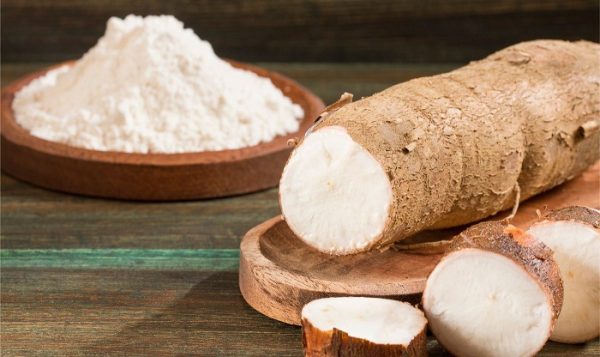
Tapioca is a pure carbohydrate derived from cassava roots after removing fiber, protein, and other plant components. The result is a fine white starch with excellent thickening, binding, and stabilizing properties.
Unlike wheat or corn-based starches, tapioca is naturally gluten-free, making it highly valuable for food manufacturers targeting gluten-free product lines.
Tapioca is primarily composed of carbohydrates and contains minimal protein, fat, or fiber. While it is not nutrient-dense, it serves as an excellent energy source.
Because of these properties, tapioca is widely used in specialized dietary products.
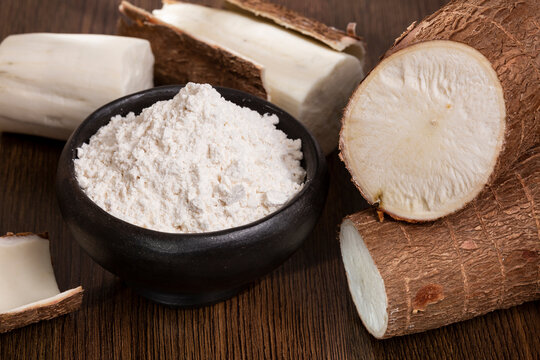
Tapioca is naturally free from gluten, making it suitable for people with celiac disease or gluten intolerance. It is often used as a replacement for wheat flour in baked goods and processed foods.
Tapioca starch provides a smooth, glossy texture when heated, making it ideal for sauces, soups, gravies, and desserts.
Its bland flavor allows it to blend seamlessly into both sweet and savory applications without altering the original taste of food products.
Tapioca is easy on the digestive system, which is why it is often included in baby food, medical diets, and recovery nutrition.
Modern food manufacturers prefer tapioca as a “clean label” ingredient due to its natural origin and minimal processing.
Tapioca plays a crucial role in food manufacturing and product development. Its functional properties make it indispensable in many sectors.
Tapioca starch is widely used in gluten-free baking. It improves elasticity, softness, and moisture retention in bread, cakes, and cookies.
It is used in puddings, custards, yogurts, and ice creams to enhance texture and stability.
Tapioca pearls are the key ingredient in bubble tea (boba tea), a globally popular drink originating from Taiwan.
Tapioca starch acts as a binder in sausages, nuggets, and processed meats, improving texture and water retention.
It is used in extruded snacks, chips, and crackers to provide crispiness and structure.
Tapioca starch is an effective thickener that provides a clear, glossy finish without cloudiness.
Although primarily used in food, tapioca also has applications in:
Its versatility makes it a valuable raw material across multiple industries.
Food producers prefer tapioca because it offers:
As consumer demand shifts toward clean-label and allergen-free products, tapioca continues to grow in importance globally.
The global tapioca market is expanding rapidly due to:
Countries like Thailand, Vietnam, and Indonesia are among the leading exporters of cassava-based tapioca products.
Tapioca is more than just a starch—it is a multifunctional ingredient that supports innovation in the global food industry. From bakery and beverages to processed foods and industrial applications, tapioca continues to play a vital role in modern food manufacturing.
Its gluten-free nature, neutral taste, and excellent functional properties make it a preferred choice for food producers worldwide.
As the demand for clean-label and plant-based ingredients grows, tapioca is set to remain a key ingredient in the future of food innovation.