Dried shrimp is a popular seafood ingredient widely used in Asian, African, and Latin American cuisines. Known for its intense umami flavor, long shelf life, and high nutritional value, dried shrimp has become an essential product not only in household cooking but also in the global food processing and export markets. In this article, we will explore what dried shrimp is, its nutritional facts, calories, taste profile, and why it is increasingly demanded worldwide.
Dried shrimp is made from fresh shrimp that are cleaned, boiled or steamed, and then sun-dried or mechanically dried to remove moisture. This drying process helps preserve the shrimp while concentrating its natural flavor and nutrients. Depending on the region and processing method, dried shrimp can vary in size, color, and texture—from small, light pink shrimp to larger, darker varieties with a firmer bite.
Dried shrimp is commonly used as:
A seasoning ingredient
A protein source
A flavor enhancer in soups, sauces, and stir-fried dishes
Thanks to its extended shelf life, dried shrimp is ideal for storage, transportation, and international trade.

The production process typically includes:
Selection of fresh shrimp
Cleaning and de-shelling (optional)
Boiling or steaming
Drying (sun-dried or machine-dried)
Sorting and packaging
High-quality dried shrimp is free from additives, artificial coloring, and preservatives, meeting international food safety standards such as HACCP and ISO.
Dried shrimp is highly nutritious and rich in essential nutrients. Due to the dehydration process, nutrients are more concentrated compared to fresh shrimp.
High Protein Content
Dried shrimp contains approximately 60–70% protein, making it an excellent source of lean protein for muscle development and overall health.
Low Fat
It is naturally low in fat, suitable for healthy and balanced diets.
Rich in Minerals
Dried shrimp provides calcium, phosphorus, iron, zinc, and magnesium, supporting bone strength, blood circulation, and immune function.
Omega-3 Fatty Acids
These healthy fats contribute to heart health and brain function.
Vitamin Content
It contains B vitamins such as B12, which supports nerve health and red blood cell production.
Dried shrimp is a nutrient-dense but calorie-moderate food.
Calories: Approximately 250–300 kcal per 100 grams
Protein: 60–70 g
Fat: 2–5 g
Carbohydrates: Minimal
Because it is often used in small amounts as a seasoning or topping, dried shrimp adds flavor and nutrition without significantly increasing calorie intake.
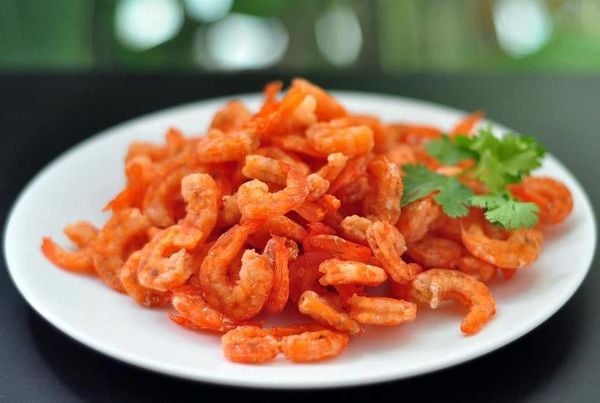
The taste of dried shrimp is savory, salty, and deeply umami-rich. Drying intensifies the shrimp’s natural sweetness and seafood aroma, making it more flavorful than fresh shrimp.
Strong umami flavor
Slight natural sweetness
Mild saltiness
Rich seafood aroma
When soaked or cooked, dried shrimp softens and releases its flavor into dishes, enhancing the overall taste without overpowering other ingredients.
Dried shrimp is widely used in many cuisines, including:
Asian soups and broths
Fried rice and noodles
Dumpling fillings
Sauces and chili pastes
Salads and snacks
In food manufacturing, dried shrimp is also used as an ingredient in instant noodles, seasoning powders, and ready-to-eat meals.
The global demand for dried shrimp continues to grow due to:
Long shelf life
High nutritional value
Easy transportation
Versatile culinary applications
Increasing demand for natural protein sources
Countries with strong seafood processing industries, such as Vietnam, Thailand, and India, are major exporters of high-quality dried shrimp to markets in Asia, Europe, and North America.
Dried shrimp is a highly nutritious, flavorful, and versatile seafood product. With its high protein content, rich mineral profile, moderate calories, and intense umami taste, it plays an important role in both traditional cooking and modern food processing. Whether used as a seasoning or a main ingredient, dried shrimp continues to be a valuable product in global cuisine and international trade.
If you are looking for a long-lasting, nutrient-rich seafood ingredient with strong market demand, dried shrimp is an excellent choice.