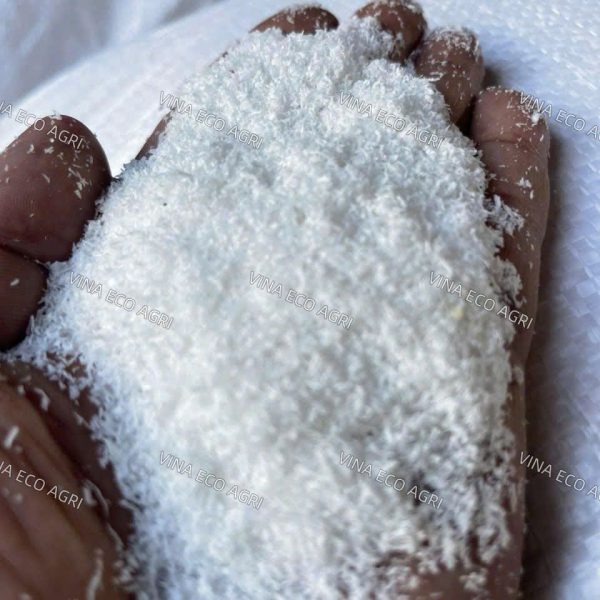
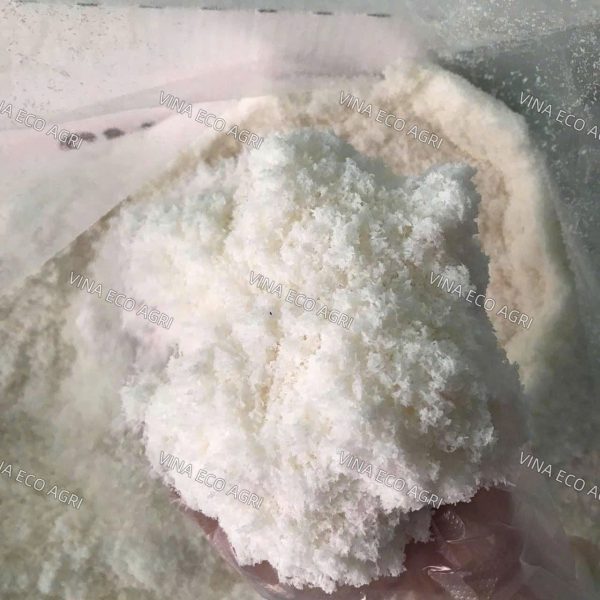
Coco peat has become one of the most popular growing media in modern agriculture due to its excellent water retention, sustainability, and versatility. Made from the fine fibers of coconut husks, coco peat is widely used in commercial farming, home gardening, hydroponics, and greenhouse cultivation. As the demand for eco-friendly agricultural solutions continues to grow, coco peat is replacing traditional soil amendments like peat moss in many applications.
In this article, we’ll explore the 10 amazing benefits of coco peat for plants and agriculture, helping growers understand why this natural product has become a favorite worldwide.
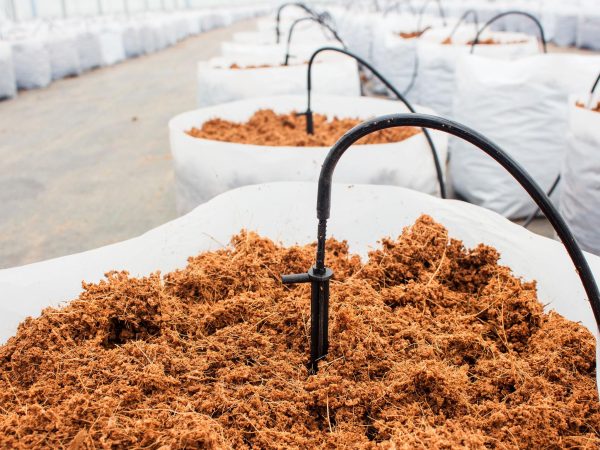
Coco peat, also known as coir pith or coconut peat, is a natural byproduct of the coconut industry. It is produced during the extraction of coconut fibers and consists of fine, sponge-like particles that are rich in lignin and cellulose.
Unlike ordinary soil, coco peat is lightweight, renewable, biodegradable, and highly efficient at retaining water and nutrients.
One of the biggest advantages of coco peat is its impressive water-holding capacity.
It can retain up to 8–10 times its weight in water, allowing plants to stay hydrated for longer periods. This reduces irrigation frequency and helps maintain consistent soil moisture, especially during hot weather.
Benefits include:
Healthy roots require both moisture and oxygen.
Coco peat has a naturally porous structure that allows air to circulate freely around plant roots while still retaining adequate moisture.
Better aeration helps:
This balance between air and water makes coco peat ideal for vegetables, flowers, herbs, and fruit crops.
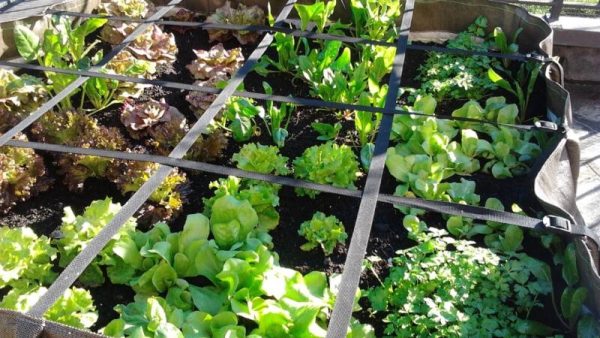
Unlike peat moss, which takes thousands of years to regenerate, coco peat is a renewable resource obtained from coconut processing.
Using coco peat helps:
Choosing coco peat contributes to greener agricultural practices.
When mixed with clay or sandy soils, coco peat significantly improves soil quality.
It helps:
This creates a healthier environment for plants to thrive.
Because coco peat provides the ideal combination of moisture, oxygen, and loose texture, plant roots develop faster and become stronger.
Healthy root systems lead to:
High-quality, properly processed coco peat is generally free from many soil-borne pathogens and weed seeds.
Using sterilized coco peat helps reduce the risk of:
This makes it particularly valuable in nurseries and greenhouse production.
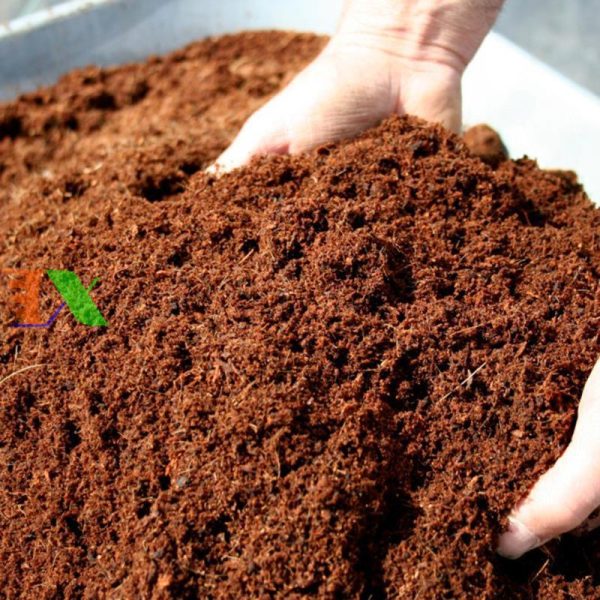
Hydroponic growers widely prefer coco peat because it provides outstanding support for plant roots while allowing precise nutrient management.
It is commonly used for growing:
Its consistent quality makes it an ideal alternative to rockwool and other synthetic media.
Compared to traditional soil, coco peat is much lighter.
This makes transportation, storage, and application easier for:
Compressed coco peat blocks also reduce shipping costs and storage space.
Coco peat has excellent cation exchange capacity (CEC), allowing it to hold essential nutrients while gradually releasing them to plant roots.
This improves fertilizer efficiency by:
Growers often experience better fertilizer performance when using coco peat.
One of coco peat’s greatest strengths is its versatility.
It is widely used for:
Whether you’re a commercial farmer or a home gardener, coco peat can significantly improve growing results.
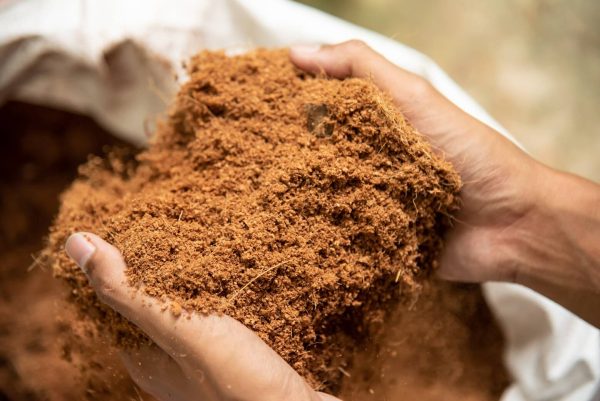
Vietnam has become one of the world’s leading suppliers of premium-quality coco peat. Vietnamese manufacturers produce coco peat from fresh coconuts grown in the country’s tropical regions, ensuring excellent quality and consistency.
Common export products include:
Vietnamese coco peat is widely exported to Europe, North America, the Middle East, Australia, and Asia for agricultural and horticultural use.
Coco peat offers an impressive combination of sustainability, water retention, aeration, and versatility, making it one of the best growing media available today. From improving soil health to supporting hydroponic systems and reducing environmental impact, its benefits make it an excellent choice for modern agriculture.
Whether you’re cultivating vegetables, flowers, fruits, or ornamental plants, incorporating high-quality coco peat into your growing system can lead to healthier plants, stronger roots, and higher yields.
coco peat benefits, coco peat for plants, coco peat agriculture, coconut peat, coco coir growing medium, coco peat supplier, coco peat manufacturer, coco peat blocks, sustainable growing media, coco peat Vietnam