The global coffee trade is booming—but competition among exporters is tougher than ever. If you want to sell coffee beans internationally, you need to understand one thing clearly: what coffee beans importers really care about. Price matters, yes—but it’s far from the whole story.
In this guide, we break down the real decision-making factors of coffee importers and share practical tips to help exporters stand out, close deals faster, and build long-term partnerships.
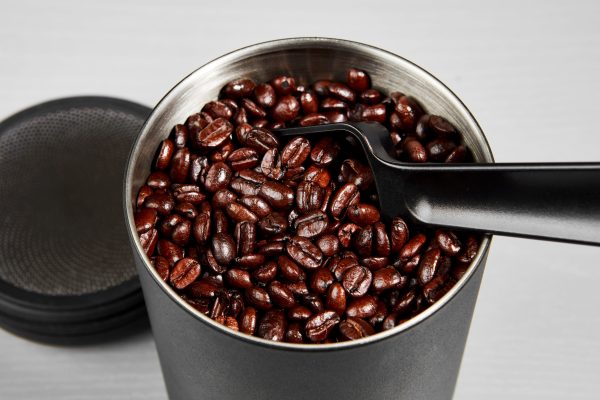
For importers, consistency is king. They need assurance that every shipment will match the approved sample.
Key quality factors importers evaluate:
Bean size and screen uniformity
Moisture content (usually 10–12%)
Defect rate (primary & secondary defects)
Flavor profile and cupping score
Clean, mold-free, insect-free beans
👉 What exporters should do:
Provide lab test results, cupping reports, and pre-shipment samples. Consistency builds trust—and trust brings repeat orders.
Today’s importers care deeply about where the coffee comes from and how it’s produced.
They often look for:
Country, region, and farm-level origin
Altitude and varietals (Arabica, Robusta, specialty types)
Harvest season and processing method (washed, natural, honey)
👉 Exporter tip:
Share your origin story. Transparency adds value, especially for specialty coffee and premium markets.
Importers don’t just want cheap coffee—they want fair, predictable pricing that allows long-term planning.
What they consider:
Price vs. quality ratio
Stability across contracts
Clear Incoterms (FOB, CIF, CFR)
Flexibility for long-term volumes
👉 Smart move:
Offer tiered pricing by grade or volume and explain clearly what affects price changes.
Many markets—especially the EU, US, Japan, and Australia—require strict compliance.
Common certifications importers value:
Organic
Fair Trade
Rainforest Alliance
UTZ
ISO / HACCP / FDA compliance
👉 Exporter advantage:
Even one certification can open doors to premium buyers and larger importers.

Importers want partners who can grow with them.
They’ll ask:
Monthly or annual supply capacity
Ability to scale up during peak seasons
Backup sourcing plans
👉 Pro tip:
Be honest about your capacity. Reliability beats overpromising every time.
Logistics mistakes cost money—and importers hate surprises.
They care about:
Export-grade packaging (jute bags, GrainPro, vacuum bags)
Proper container loading
Moisture and odor protection
Accurate documentation
👉 Exporter checklist:
CO, Phytosanitary Certificate, Invoice, Packing List, BL—clean and error-free.
This is often underestimated—but it matters a lot.
Importers appreciate exporters who:
Respond quickly and clearly
Communicate in professional English
Update proactively on production and shipment
Solve problems, not hide them
👉 Reality check:
Good communication can win deals even when your price isn’t the lowest.
Most serious importers are not looking for one-off deals. They want stable, long-term suppliers.
They value:
Contract consistency
Quality improvement over time
Mutual growth mindset
👉 Think long game:
Treat importers as partners, not just buyers.
coffee beans exporter for importers, reliable coffee beans supplier, wholesale green coffee beans, coffee beans exporter from Vietnam, bulk coffee beans supplier