Vietnam’s pepper industry is one of the most important pillars of the country’s agricultural export sector. Over the past two decades, Vietnam has consistently maintained its position as the world’s largest producer and exporter of pepper, supplying more than half of global pepper exports. Thanks to favorable natural conditions, experienced farmers, and advanced processing technology, Vietnamese pepper has built a strong reputation for quality, reliability, and competitive pricing in international markets.
Vietnam accounts for approximately 35–40% of global pepper production and nearly 60% of global exports, far surpassing other major producing countries such as Brazil, Indonesia, and India. Vietnamese pepper is exported to over 120 countries and territories, with key markets including the United States, the European Union, China, India, the Middle East, and Southeast Asia.
The country’s leadership is driven not only by large production volumes but also by its ability to process, clean, and standardize pepper products according to international requirements.
Pepper cultivation in Vietnam is mainly concentrated in regions with fertile soil, stable rainfall, and warm temperatures. The most important pepper-growing areas include:
Dak Lak and Dak Nong
Gia Lai
Binh Phuoc
Ba Ria – Vung Tau
Among these, the Central Highlands region is considered the heart of Vietnam’s pepper industry. Pepper from these areas is known for its high density, strong aroma, and rich essential oil content, which are key quality indicators in the global market.
Vietnam’s pepper industry offers a wide variety of products to meet the needs of different buyers and applications. Common Vietnamese pepper products include:
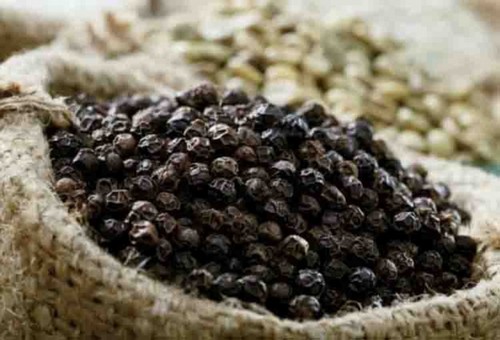
Black pepper (FAQ, ASTA, high-density grades such as 550g/l and 580g/l)
White pepper (whole and ground)
Crushed and ground pepper
Steam-sterilized pepper
Organic and sustainably farmed pepper
This product diversity allows Vietnam to serve food manufacturers, wholesalers, retailers, and spice processors worldwide.
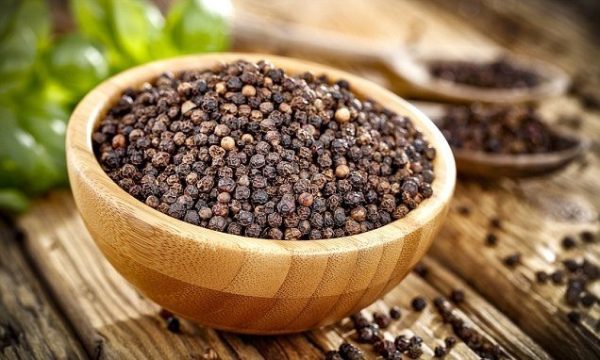
One of the strongest advantages of Vietnam’s pepper industry is its modern processing infrastructure. Many processing factories are equipped with advanced technologies such as steam sterilization, metal detection, gravity separation, and color sorting systems. These technologies help reduce bacterial contamination, remove impurities, and ensure consistent quality.
Vietnamese pepper exporters commonly meet international food safety and quality standards, including:
HACCP
ISO 22000
BRC
FDA registration
Organic and Rainforest Alliance certifications (for certified products)
As a result, Vietnamese pepper can easily access strict markets such as the EU, the US, Japan, and Australia.
Vietnam has built a strong and well-integrated pepper supply chain, from farming and harvesting to processing, storage, and export logistics. Large-scale processing plants enable exporters to handle bulk orders and long-term supply contracts efficiently.
Key competitive advantages of Vietnam’s pepper exports include:
Stable year-round supply
Competitive prices compared to other origins
Flexible packaging options (bulk bags, private labels, retail packs)
Extensive experience in international trade and shipping
These factors make Vietnam a preferred sourcing destination for global pepper buyers.

In recent years, Vietnam’s pepper industry has faced challenges such as price volatility, climate change, and soil degradation caused by overuse of fertilizers and pesticides. In response, the industry is gradually shifting toward sustainable and responsible farming practices.
Key sustainability efforts include:
Promoting organic and GAP-certified pepper farms
Reducing chemical inputs and improving soil health
Enhancing farmer training and traceability systems
These initiatives aim to ensure long-term productivity, environmental protection, and higher value for Vietnamese pepper exports.
As global consumption of spices continues to grow, demand for high-quality pepper remains strong. Pepper is widely used in food processing, sauces, meat products, ready-to-eat meals, and household cooking. With its consistent quality and reliable supply, Vietnamese pepper is well-positioned to meet the increasing global demand.
Vietnam’s pepper industry stands as a global leader in production, processing, and export. With favorable growing conditions, advanced processing technology, diverse product offerings, and increasing focus on sustainability, Vietnam continues to strengthen its role in the global spice market. For international buyers, sourcing pepper from Vietnam means access to high-quality products, stable supply, and long-term business opportunities.