Vietnamese Robusta coffee beans are widely recognized in the global coffee industry for their bold flavor, strong body, and versatility in various coffee applications. As one of the world’s major coffee-producing countries, Vietnam has established a strong position in the international market, supplying Robusta beans to coffee roasters, importers, distributors, and food and beverage manufacturers.
For global buyers looking for a dependable source of coffee beans, Vietnam offers opportunities to source Robusta coffee for wholesale, bulk purchasing, and further processing. Understanding the characteristics, quality factors, and sourcing options of Vietnamese Robusta coffee can help businesses make informed purchasing decisions.

Vietnamese Robusta coffee is an important raw material for the global coffee supply chain. Its distinctive characteristics make it suitable for different products, from traditional brewed coffee to instant coffee and espresso blends.
Here are several reasons why international buyers consider Vietnamese Robusta coffee beans:
These characteristics make Vietnamese Robusta coffee a practical option for businesses seeking coffee raw materials for different market segments.
Vietnamese Robusta coffee beans have a distinctive profile that differentiates them from many Arabica varieties.
Robusta coffee is generally known for its strong, intense flavor. Depending on the growing conditions, harvest quality, and roasting profile, the beans may develop earthy, woody, nutty, cocoa, or roasted-grain notes.
Its bold character makes Robusta a popular choice for consumers who prefer strong coffee. It is also frequently blended with Arabica to create a balanced combination of body, aroma, and acidity.
Robusta coffee generally contains more caffeine than Arabica coffee. This characteristic is one reason it is widely used in products designed to deliver a strong coffee experience.
Actual caffeine content varies according to the bean, origin, and preparation method.
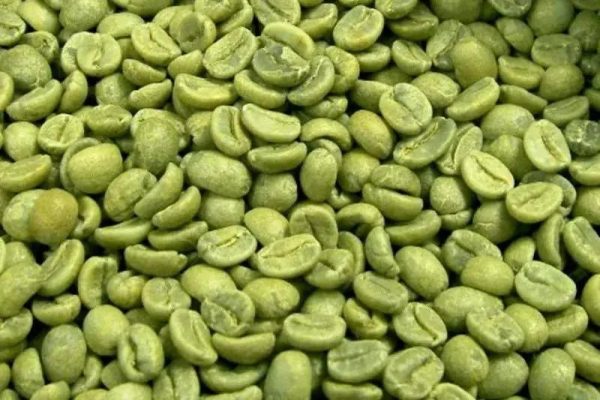
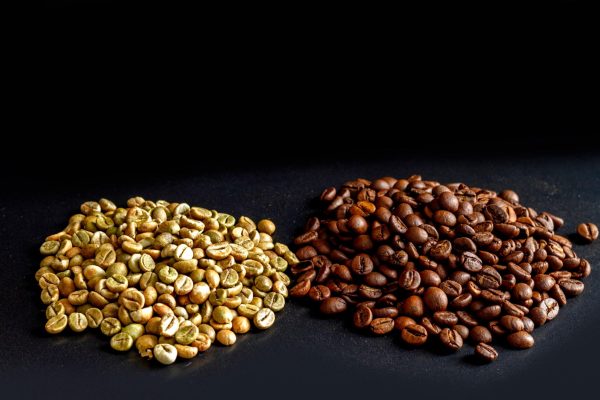
Green Robusta coffee beans are commonly oval or rounded in shape, with physical characteristics influenced by the variety, maturity, and post-harvest processing.
For commercial buyers, appearance is only one part of quality assessment. Moisture content, defect levels, screen size, and sensory characteristics should also be considered.
Vietnam’s Central Highlands is a major coffee-growing region, with provinces such as Dak Lak, Lam Dong, Gia Lai, and Dak Nong contributing to coffee production.
The region’s growing conditions, including suitable elevations, seasonal rainfall, and well-drained soils in many coffee-growing areas, support Robusta cultivation.
Coffee production generally involves several stages:
Careful handling at each stage helps maintain bean quality and consistency for international trade.
Vietnamese Robusta coffee beans serve a wide range of commercial applications.
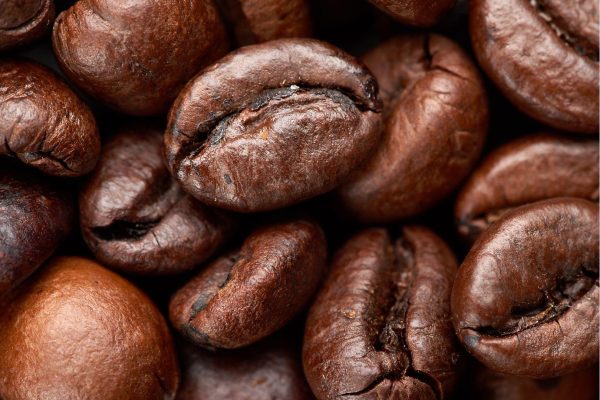
Roasters use Robusta beans to produce strong coffee profiles or create blends with Arabica. The final flavor depends on the green bean quality, roast level, and blending ratio.
Robusta is commonly used in instant coffee production because of its strong flavor and suitability for large-scale processing. Manufacturers select beans according to their extraction requirements, product specifications, and cost targets.
Importers and distributors can source green coffee beans for wholesale distribution to roasters, retailers, and industrial customers in their respective markets.
Robusta coffee can serve as a raw material for ready-to-drink coffee, coffee concentrates, and other coffee-based products. Buyers should evaluate the bean specifications and processing suitability for each intended application.
Choosing a reliable supply of Vietnamese Robusta coffee involves more than comparing prices. Buyers should evaluate product specifications, consistency, documentation, and supplier capabilities.
Consider the following factors when sourcing coffee beans from Vietnam.
Ask for the available grade, screen size, and grading criteria. These specifications help buyers determine whether the coffee meets their processing and product requirements.
Moisture content affects coffee storage stability and quality. Buyers should request the supplier’s specification and, when required, a recent quality inspection report.
The number of defective beans and the presence of foreign matter can influence the quality and usability of a coffee shipment. Confirm the acceptable limits before placing an order.
Natural, washed, and other processing methods can produce different physical and sensory characteristics. Buyers should select coffee processed according to their quality requirements.
Green coffee beans are commonly shipped in suitable export packaging designed to protect the product during handling and transportation. Packaging, container loading, and storage conditions should be agreed upon before shipment.
Depending on the destination and transaction, buyers may require commercial invoices, packing lists, certificates of origin, phytosanitary documentation, or other relevant documents. Requirements should be confirmed with the supplier and the importing country’s authorities.
For importers and industrial buyers, purchasing coffee in bulk can support regular production and distribution. However, the appropriate order volume depends on business needs, storage capacity, destination, and supplier availability.
Before confirming a wholesale order, buyers should clarify:
A clear purchasing specification helps both parties reduce misunderstandings and establish a more efficient sourcing process.
Buyers are encouraged to request samples and review the relevant quality documents before confirming large-volume orders.
Vina Eco Agri supports international B2B sourcing for Vietnamese agricultural products and food ingredients. For buyers interested in Vietnamese coffee, establishing clear product specifications and communication with a supplier is an important step toward finding a suitable sourcing solution.
Whether you are a coffee importer, roaster, distributor, or food and beverage manufacturer, your purchasing requirements may vary according to your target market and production needs.
When making an inquiry, please share your preferred coffee type, required specifications, order quantity, destination, and packaging requirements. These details help determine a suitable supply option for your business.
Contact Vina Eco Agri
VINA ECO AGRI., LTD
Email: Henry@veavn.com
Website: https://veavn.com/en/
Contact us to discuss your Vietnamese coffee sourcing requirements and explore potential cooperation opportunities.
Vietnamese Robusta coffee beans offer global buyers a combination of bold flavor, versatile applications, and access to an established coffee-producing industry. They are suitable for various business needs, including roasting, blending, instant coffee manufacturing, and wholesale distribution.
By evaluating bean grade, moisture content, defect levels, processing methods, documentation, and supplier capabilities, international buyers can make more informed sourcing decisions.
For businesses seeking Vietnamese coffee for international markets, Vina Eco Agri welcomes inquiries from importers, distributors, and manufacturers interested in exploring coffee sourcing opportunities from Vietnam.
Vietnamese Robusta coffee beans, Vietnam Robusta coffee supplier, Vietnamese coffee beans wholesale, bulk Robusta coffee beans, Vietnam coffee exporter, green Robusta coffee beans, Vietnamese coffee export.