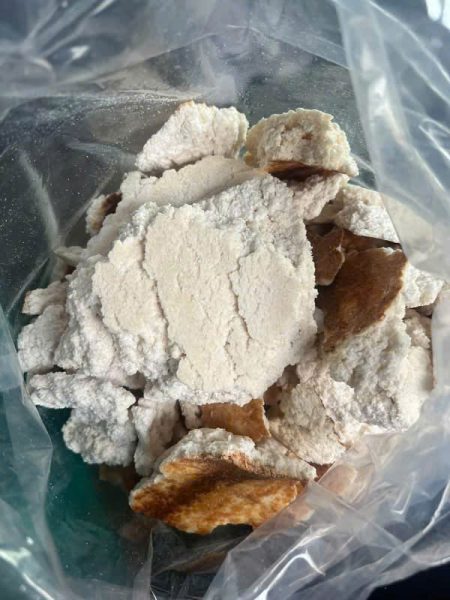
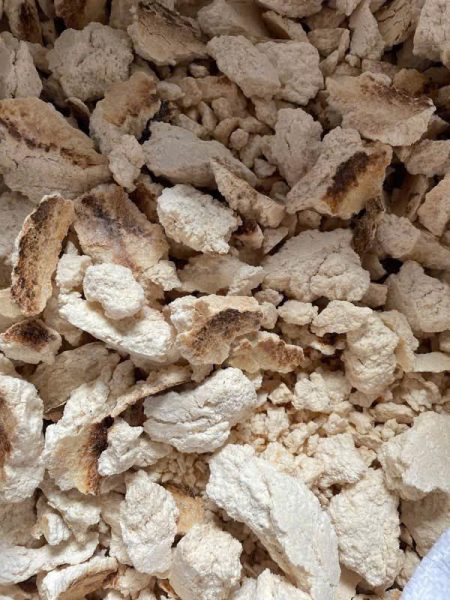
Vietnam is an important source of agricultural products and coconut-based materials for international markets. Among these products, copra cake from Vietnam is a valuable ingredient for animal feed manufacturers, livestock farms, and agricultural businesses looking for plant-based feed materials.
With its practical applications, nutritional value, and potential for bulk supply, Vietnamese copra cake offers opportunities for importers and feed producers worldwide.
In this article, we explore the quality characteristics, applications, and supply considerations of Vietnam copra cake for international buyers.
Copra cake is a by-product obtained after extracting oil from dried coconut kernels, also known as copra. Depending on the oil extraction process, it may be available as copra cake, copra meal, or coconut oil cake.
This material contains residual coconut oil, protein, fiber, and other nutrients, making it suitable for use as an ingredient in animal feed formulations.
The nutritional composition of copra cake varies according to the quality of the raw coconuts, processing methods, and the amount of oil remaining after extraction.
For buyers sourcing copra cake for animal feed, understanding these differences is essential when evaluating suppliers and comparing product specifications.
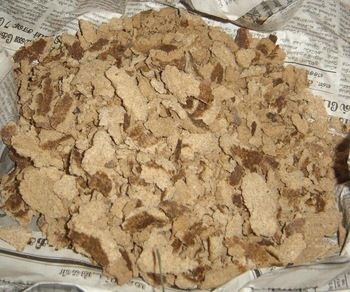
Product quality is one of the most important considerations when importing copra cake from Vietnam. Consistent quality helps feed manufacturers maintain stable formulations and improve supply chain efficiency.
Moisture Content
Appropriate moisture levels help maintain product stability during storage and transportation. Buyers should request moisture specifications and ensure the product meets their requirements.
Protein and Fiber Content
Copra cake contains plant-based protein and dietary fiber. The exact levels depend on the raw material and oil extraction process. Importers should review the product’s laboratory analysis before placing an order.
Residual Oil Content
The remaining oil contributes to the product’s energy value. Different extraction methods may produce copra cake with different residual oil levels.
Color and Odor
Good-quality copra cake should have a characteristic coconut-derived appearance and smell, without signs of mold, rancidity, or unusual contamination.
Storage and Packaging
Proper packaging and dry storage conditions help protect the product from moisture, pests, and contamination during handling and transportation.
For bulk purchases, buyers are encouraged to request a Certificate of Analysis (COA), product specifications, and other relevant quality documents before shipment.
Copra cake is primarily used as a raw material for animal feed. Its suitability depends on the animal species, the overall feed formulation, and the product’s nutritional specifications.
Copra cake can be incorporated into compound feed formulations as a source of plant-based protein, fiber, and residual oil. Feed manufacturers may blend it with other ingredients to achieve the desired nutritional profile.
Copra cake may be used in formulated rations for cattle and buffalo. Its inclusion rate should be determined according to the animals’ nutritional requirements and the composition of the complete diet.
Depending on local feed guidelines and nutritional requirements, copra cake can be considered as one component of formulated diets for goats and sheep.
Copra cake may also be evaluated for certain poultry and livestock feed applications. However, its fiber content, amino acid profile, and other nutritional characteristics should be considered when determining appropriate inclusion levels.
Important: Copra cake should be formulated into balanced feed rather than treated as a complete feed on its own. Buyers should consult a qualified animal nutritionist when developing feed formulations.
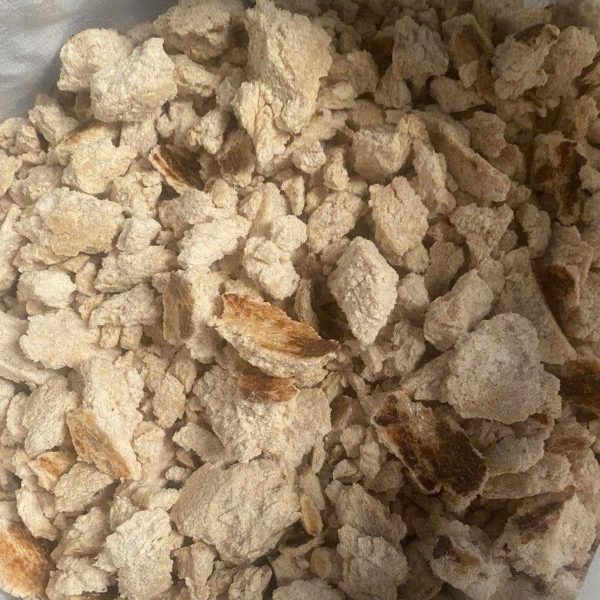
Vietnam has an established coconut-processing sector, providing opportunities for buyers seeking coconut-derived raw materials for agricultural and industrial applications.
Several factors make Vietnam worth considering as a sourcing destination.
Actual availability, pricing, product specifications, and lead times depend on the supplier, production season, and order quantity. Buyers should verify these details before confirming a purchase.
Choosing the right supplier is essential for establishing a stable long-term supply chain.
Before placing an order, international buyers should evaluate the following factors:
Request detailed information about moisture, crude protein, crude fiber, residual oil, and other relevant parameters. A recent laboratory report can help confirm whether the product meets your requirements.
Ask about the supplier’s procedures for raw material selection, processing, storage, and product inspection. Confirm that the shipment is protected against moisture and contamination.
Discuss available packaging options, such as bags or other suitable bulk packaging, based on the product and destination market. Confirm net weight, loading arrangements, and shipping terms before finalizing the contract.
Depending on the importing country, required documents may include a commercial invoice, packing list, certificate of origin, certificate of analysis, and relevant phytosanitary or other regulatory documents where applicable.
Importers should confirm destination-country requirements before shipment because documentation requirements vary by market and product classification.
A reliable exporter should provide clear product information, respond to inquiries promptly, and communicate realistic production and delivery schedules.
For repeat orders, consistency in product specifications and shipment planning is particularly important.
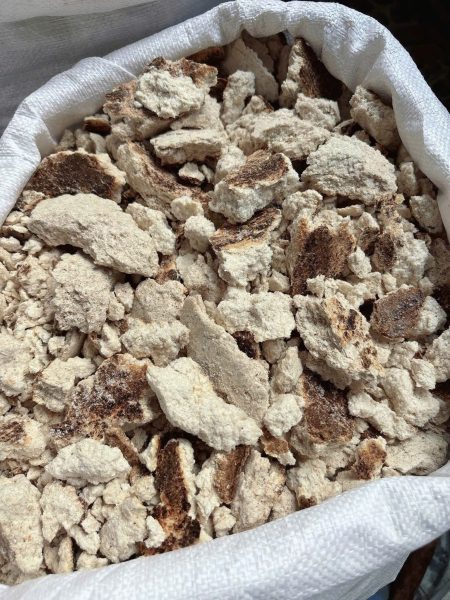
When sourcing copra cake from Vietnam, importers should provide clear purchasing requirements to help suppliers prepare an accurate quotation.
The following information is useful when requesting a supply proposal:
Providing these details helps suppliers assess product availability, estimate logistics costs, and prepare a quotation that matches the buyer’s needs.
Prices may vary according to product quality, order volume, packaging, freight rates, and market conditions. Requesting a current quotation is the best way to obtain accurate pricing.
Copra cake is mainly used as an ingredient in animal feed formulations. It provides plant-based protein, fiber, and residual oil, depending on its composition.
The terms are sometimes used interchangeably in the trade, but terminology can vary according to the processing method and local market practices. Buyers should confirm the exact product form and specifications with their supplier.
Importers should consider requesting a product specification sheet, Certificate of Analysis, and relevant export documents. Additional certificates may be required depending on the destination market.
Bulk supply may be available depending on the supplier’s production capacity, stock, packaging facilities, and shipping arrangements. Buyers should confirm the available quantity and lead time directly.
Send the supplier your required quantity, target specifications, packaging preferences, and destination port. This information helps the supplier prepare a more accurate quotation.
Vina Eco Agri supports international buyers looking to source Vietnamese agricultural products and raw materials for global markets.
If you are looking for Vietnam copra cake suppliers for animal feed manufacturing or agricultural applications, contact our team to discuss your requirements, product specifications, and potential supply arrangements.
We welcome inquiries from importers, distributors, feed manufacturers, and agricultural businesses worldwide.
Contact: Henry@veavn.com
Website: https://veavn.com/en/
Feel free to contact us for further information and a quotation based on your requirements.