Vietnamese cocoa beans are gaining attention among international buyers looking for distinctive cocoa ingredients for chocolate manufacturing, confectionery, bakery products, and other food applications. With suitable growing conditions and increasing experience in cocoa cultivation and processing, Vietnam offers opportunities for importers, cocoa processors, chocolate makers, and food manufacturers seeking reliable cocoa bean suppliers.
For international buyers, understanding Vietnamese cocoa beans, their quality characteristics, processing methods, and sourcing considerations is essential when selecting the right supplier.
In this guide, we explore what makes Vietnamese cocoa beans worth considering and what buyers should know before importing them.

Cocoa beans are the primary raw material used to produce chocolate, cocoa powder, and cocoa butter. In Vietnam, cocoa is cultivated in several regions with tropical climates that support cocoa tree growth.
Vietnamese cocoa-growing areas include parts of the Central Highlands and the Mekong Delta, where climate, soil conditions, and farming practices influence the characteristics of the beans.
Depending on the variety, growing region, fermentation, and drying methods, Vietnamese cocoa beans can offer different flavor profiles, making them suitable for various cocoa processing and chocolate production applications.
For international buyers, Vietnam can be a sourcing option when comparing cocoa origins, supplier capabilities, product specifications, and shipping arrangements.
The flavor of cocoa beans depends on several factors, including genetics, soil, climate, harvesting maturity, and post-harvest processing. Proper fermentation and drying help develop the flavor precursors needed for chocolate production.
Depending on their origin and processing, Vietnamese cocoa beans may be suitable for chocolate products with varied flavor profiles. Buyers should request samples and conduct sensory evaluations before confirming a bulk order.
Vietnamese cocoa beans can be considered for different processing requirements, including chocolate manufacturing, cocoa powder production, cocoa butter extraction, and specialty cocoa products.
The final suitability depends on bean quality, fat content, fermentation level, moisture content, and the buyer’s manufacturing process.
Vietnam offers potential sourcing opportunities for international businesses looking to diversify their cocoa supply chains.
However, supply volume, seasonal availability, bean grades, and export readiness vary by supplier. Importers should verify these factors before placing an order.
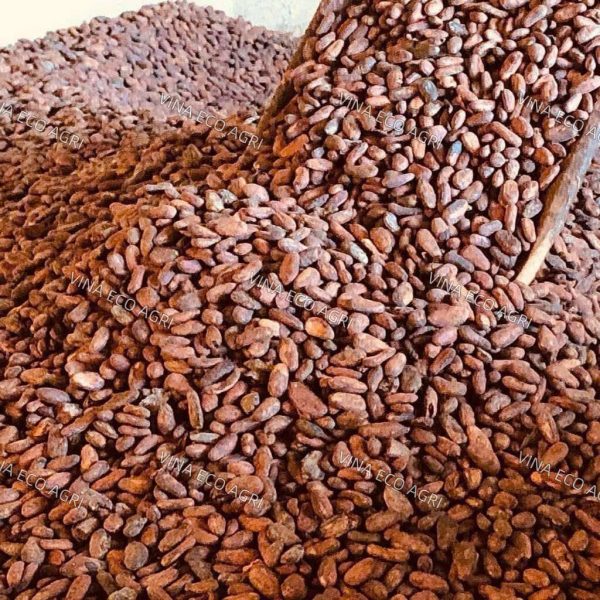
Post-harvest processing plays an important role in determining cocoa bean quality.
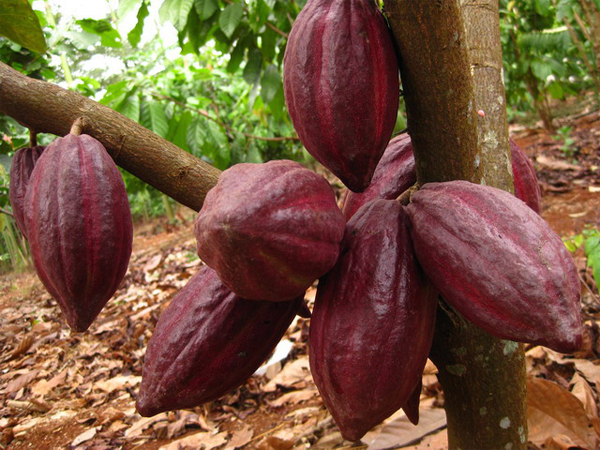
Cocoa pods are harvested when they reach the appropriate level of maturity. Mature pods help provide beans with suitable characteristics for subsequent processing.
After harvesting, the pods are opened and the cocoa beans are collected together with their surrounding pulp.
Careful handling helps minimize contamination and damage during the initial processing stage.
Fermentation is a critical stage in cocoa processing. It helps develop the chemical precursors responsible for the characteristic aroma and flavor of chocolate.
The duration and conditions of fermentation can affect the final bean quality. Buyers seeking specific flavor profiles should discuss fermentation practices and quality control procedures with their suppliers.
After fermentation, cocoa beans are dried to reduce moisture and improve storage stability.
Proper drying helps reduce the risk of mold development during transportation and storage. Buyers should confirm moisture specifications and request quality documentation where available.
The beans are sorted to remove unwanted materials and identify defects according to the agreed specifications.
They are then packed in suitable packaging for storage and transportation. Packaging materials, bag weight, and labeling should be confirmed before shipment.
Vietnamese cocoa beans can be used as raw materials for several industries.
Chocolate Manufacturing
Cocoa beans are processed into cocoa liquor, cocoa butter, and cocoa solids for producing dark chocolate, milk chocolate, and other chocolate products.
Cocoa Powder Production
After processing, cocoa solids can be used to manufacture cocoa powder for beverages, bakery products, desserts, and food formulations.
Cocoa Butter Extraction
Cocoa butter is an important ingredient in chocolate production and selected food, cosmetic, and personal care formulations. Its suitability depends on the processing method and the specifications of the final product.
Bakery and Confectionery
Cocoa-derived ingredients are widely used in cakes, cookies, fillings, confectionery, and dessert products.
Specialty Chocolate Products
Chocolate makers may use beans from selected origins or processing batches to create products with distinctive sensory characteristics. Buyers should evaluate samples to determine whether a particular Vietnamese cocoa lot meets their flavor and production requirements.
Before purchasing Vietnamese cocoa beans in bulk, importers should evaluate the following parameters:
Specifications should be agreed upon in writing before the purchase order is confirmed. Buyers may also arrange pre-shipment inspections or independent laboratory testing for larger shipments.
Selecting the right supplier is an important part of international cocoa sourcing.
Ask the supplier for a detailed specification sheet covering origin, processing method, moisture content, defect limits, packaging, and available quality documentation.
Sample evaluation allows buyers to check physical appearance, aroma, flavor, and processing suitability before committing to a larger volume.
Discuss available quantities, harvest periods, lead times, minimum order quantities, and the supplier’s ability to maintain consistent quality across shipments.
Depending on the destination market and shipment arrangement, relevant documents may include a commercial invoice, packing list, certificate of origin, phytosanitary certificate where applicable, and other documents required by the importing country.
Importers should confirm current requirements with their customs broker and the relevant authorities before shipment.
Clarify packaging type, net weight per bag, palletization if required, container loading, delivery schedule, and the agreed Incoterms, such as FOB or CIF.
Clear communication helps reduce misunderstandings and supports smoother international transactions.

Cocoa beans from different countries can vary in flavor, availability, processing standards, and pricing.
Vietnamese cocoa beans may be worth evaluating alongside beans from other origins when buyers are looking for alternative sourcing options or particular flavor characteristics.
However, no origin is automatically superior for every application. Buyers should compare actual samples, quality specifications, consistency, total landed cost, and supplier reliability rather than relying on origin alone.
The best choice depends on the intended product, production requirements, target market, and purchasing strategy.
Before finalizing an order, international buyers should clarify the following details with their suppliers:
Buyers should also calculate the total landed cost, including product price, freight, insurance where applicable, customs duties, and destination handling charges.
For long-term supply arrangements, establishing clear quality standards and inspection procedures can help improve consistency between shipments.
Vina Eco Agri supports international B2B sourcing of Vietnamese agricultural products and ingredients for buyers in global markets.
For businesses interested in Vietnamese cocoa beans, contacting a supplier directly is a practical way to discuss product availability, specifications, samples, packaging options, and export arrangements.
Whether you are a chocolate manufacturer, cocoa processor, food ingredient distributor, or international trading company, evaluating the product specifications and confirming supply details are important first steps toward a successful sourcing partnership.
Contact Vina Eco Agri to discuss your cocoa bean sourcing requirements.
VINA ECO AGRI., LTD
Email: Henry@veavn.com
Website: https://veavn.com/en/
Feel free to contact us for further information about product specifications, availability, and export inquiries.
Vietnamese cocoa beans can be suitable for chocolate production, depending on their variety, fermentation, drying, and quality specifications. Buyers should evaluate samples before placing bulk orders.
Cocoa beans can be processed into cocoa liquor, cocoa butter, and cocoa powder, which are used in chocolate, beverages, bakery products, confectionery, and other food applications.
Buyers should review moisture content, fermentation level, bean size, defect rates, aroma, flavor, and relevant food safety documentation. Sample testing is recommended before bulk purchasing.
International buyers can explore sourcing cocoa beans from Vietnamese suppliers. Actual export arrangements depend on product availability, supplier capabilities, destination-country regulations, and the required shipping documents.
Buyers should specify the required quantity, product type, quality requirements, packaging preferences, destination port, and preferred Incoterms. These details help suppliers prepare a more accurate quotation.
Vietnamese cocoa beans offer international buyers another option to explore when sourcing raw materials for chocolate manufacturing and cocoa processing. By understanding the processing stages, checking quality specifications, requesting samples, and verifying supplier capabilities, buyers can make more informed purchasing decisions.
For international businesses seeking agricultural ingredients from Vietnam, Vina Eco Agri welcomes inquiries about product availability and potential sourcing opportunities.
Contact Henry@veavn.com or visit https://veavn.com/en/ to discuss your requirements.