Vietnamese cashew nuts have become one of the most important agricultural export products in the global market. Thanks to favorable natural conditions, advanced processing technology, and strong export capacity, Vietnam has maintained its position as the world’s leading cashew nut exporter for many years. Today, Vietnamese cashew nuts are present in more than 90 countries and territories, supplying both raw materials and finished products for global food industries.
Vietnam is widely recognized as the number one exporter of cashew nuts worldwide, accounting for over 60% of global cashew kernel exports. Although some raw cashew nuts are imported for processing, Vietnam leads the world in processing capacity, product quality, and value-added exports.
With modern factories, strict quality control systems, and skilled labor, Vietnamese cashew processors can meet the demanding standards of markets such as the United States, the European Union, China, Japan, Australia, and the Middle East.
Cashew trees grow best in tropical climates, and Vietnam has several ideal regions for cashew cultivation, including:
Binh Phuoc Province – known as the “cashew capital” of Vietnam
Dong Nai and Binh Duong
Central Highlands (Dak Lak, Gia Lai)
Southeastern coastal areas
These regions provide stable yields, consistent nut size, and good kernel quality, making Vietnamese cashew nuts highly competitive in the international market.
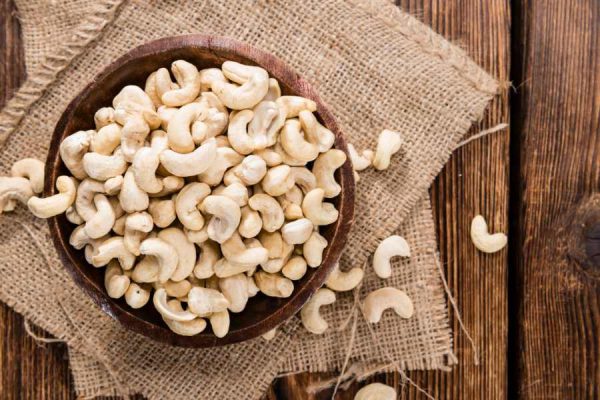
Vietnamese cashew nuts are well known for their large kernels, creamy texture, rich flavor, and high nutritional value. They are carefully processed through multiple stages such as shelling, peeling, grading, roasting, and packaging to ensure uniform quality.
Most Vietnamese cashew exporters comply with international certifications, including:
HACCP
ISO 22000
BRC
FDA
Organic and Fair Trade (upon request)
Thanks to these certifications, Vietnamese cashew nuts are suitable for both retail distribution and industrial food processing.
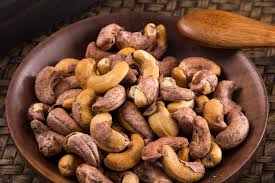
Vietnam supplies a wide range of cashew products to meet different market demands, including:
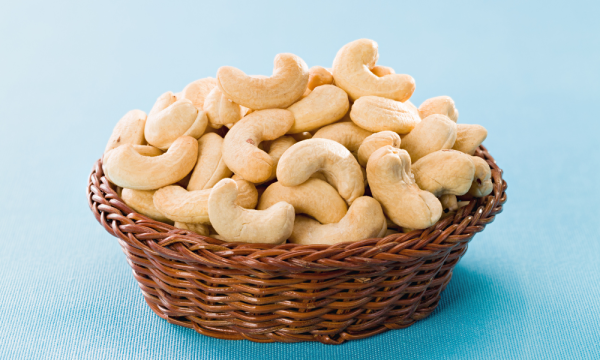
Raw cashew kernels (WW180, WW240, WW320, WW450)
Roasted cashew nuts (salted or unsalted)
Cashew pieces (LP, SP, BB)
Organic cashew nuts
Flavored cashew nuts (honey, wasabi, chili, garlic, etc.)
This diversity allows buyers to choose products that best suit their target markets.
One of the biggest advantages of Vietnamese cashew nuts is the ability to supply large volumes consistently throughout the year. With hundreds of processing factories and well-organized supply chains, Vietnam can fulfill bulk orders and long-term contracts efficiently.
In addition, competitive pricing, flexible packaging options, and reliable logistics services help Vietnamese exporters maintain strong partnerships with international buyers.
Cashew nuts are increasingly popular due to their health benefits. Vietnamese cashew nuts are rich in:
Healthy fats
Plant-based protein
Vitamins and minerals such as magnesium, zinc, and iron
Antioxidants that support heart health
As global consumers shift toward healthy snacks and plant-based diets, demand for high-quality cashew nuts from Vietnam continues to grow rapidly.
International buyers choose Vietnamese cashew nuts for several key reasons:
World-leading processing and export experience
High and consistent product quality
Competitive prices
Compliance with international food safety standards
Reliable supply and professional export services
Vietnamese cashew nuts are not only a symbol of Vietnam’s agricultural strength but also a trusted product in the global market. With superior quality, diverse product offerings, and strong export capability, Vietnam continues to be the top destination for cashew nut sourcing worldwide. For importers, wholesalers, and food manufacturers, choosing Vietnamese cashew nuts means choosing quality, reliability, and long-term value.