Robusta coffee beans are among the most important coffee varieties in the global coffee industry. Known for their strong flavor, high caffeine content, and adaptability to different growing conditions, Robusta coffee beans are widely used by coffee roasters, instant coffee manufacturers, beverage companies, and international coffee distributors.
Vietnam is one of the world’s leading producers and exporters of Robusta coffee, supplying international markets with coffee beans for various commercial applications. Understanding the characteristics, flavor profile, and uses of Robusta coffee can help importers and manufacturers select the right coffee products for their business needs.
In this article, we explore what makes Robusta coffee unique, how it tastes, and why it remains an important ingredient in the global coffee supply chain.
Robusta coffee beans come from the Coffea canephora plant, a coffee species known for its resilience and productivity. Compared with Arabica coffee, Robusta generally grows well in warmer climates and at lower elevations. It is also more resistant to certain pests and diseases, making it an important crop in many coffee-producing countries.
Vietnam has developed a strong reputation as a major source of Robusta coffee. The Central Highlands, including provinces such as Dak Lak, Gia Lai, and Lam Dong, provide favorable conditions for coffee cultivation.
Robusta coffee beans are commonly supplied in green, unroasted form for export. Depending on the buyer’s requirements, they can be processed and prepared for roasting, grinding, blending, or further industrial use.
For international buyers, Vietnamese Robusta coffee offers an important sourcing option for businesses seeking coffee beans for wholesale distribution and large-scale manufacturing.
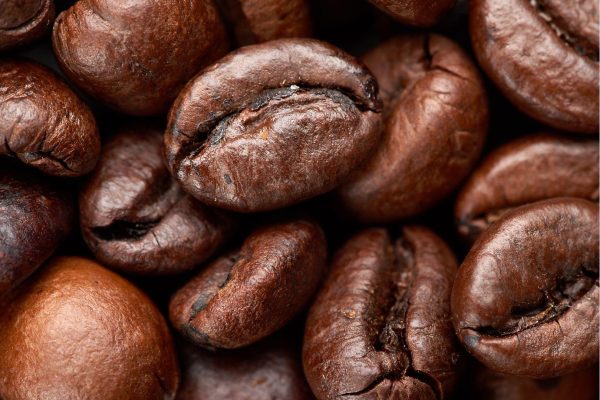
Understanding the physical and chemical characteristics of Robusta coffee helps buyers determine its suitability for different applications.
Robusta coffee generally contains more caffeine than Arabica coffee. This contributes to its stronger, more pronounced character and makes it suitable for products designed to deliver an intense coffee experience.
Caffeine levels vary depending on the bean, growing conditions, and processing methods.
Robusta is known for its bold taste and relatively intense aroma. Depending on the origin and roasting profile, its flavor may include earthy, woody, nutty, cocoa-like, or roasted-grain notes.
These characteristics make Robusta a popular choice for espresso blends and instant coffee products.
Robusta beans are frequently used in espresso blends because they can contribute to a thicker crema and a fuller-bodied cup. The final result depends on the coffee blend, roast level, grind size, and extraction method.
The Robusta coffee plant can tolerate warmer temperatures and generally grows at lower elevations than Arabica. Its natural resilience helps support commercial production in suitable tropical regions.
Robusta coffee beans are used in many product categories, from roasted whole beans and ground coffee to instant coffee and ready-to-drink beverages. Their distinctive flavor and suitability for blending make them valuable to coffee businesses worldwide.
Robusta coffee is often described as strong, bold, and full-bodied. However, its flavor can vary considerably depending on the growing region, harvesting practices, post-harvest processing, storage conditions, and roasting technique.
Common flavor characteristics include:
Robusta coffee is particularly suitable for consumers who prefer an intense coffee profile. When properly sourced, processed, and roasted, quality Robusta can offer a balanced cup with pleasant bitterness and a satisfying body.
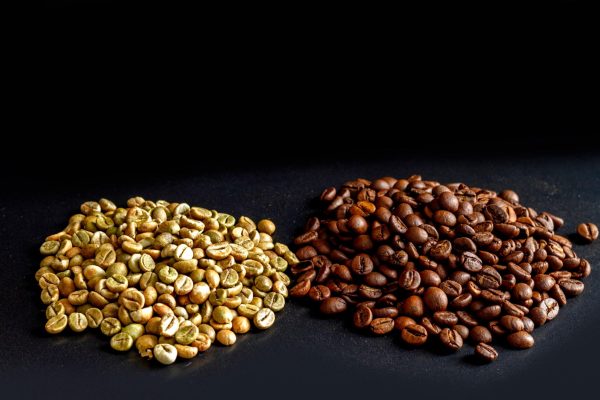
Robusta and Arabica are two major coffee species used in the global coffee market. Although both are commercially important, they differ in several characteristics.
| Characteristic | Robusta | Arabica |
|---|---|---|
| Botanical species | Coffea canephora | Coffea arabica |
| Typical growing conditions | Warmer climates, generally lower elevations | Generally cooler climates and higher elevations |
| Caffeine content | Usually higher | Usually lower |
| Flavor profile | Bold, earthy, often more bitter | Often more aromatic, with varied acidity and flavor complexity |
| Body | Often fuller-bodied | Varies by origin and preparation |
| Common applications | Instant coffee, espresso blends, commercial coffee | Specialty coffee, single-origin coffee, blends |
| Plant resilience | Generally more resistant to certain pests and diseases | Generally more sensitive to growing conditions |
Neither variety is universally better than the other. The right choice depends on the target market, product formulation, price requirements, and preferred flavor profile.
For many manufacturers, combining Robusta and Arabica provides a way to balance flavor, aroma, body, and production costs.
Robusta coffee is widely used throughout the coffee industry because of its strong flavor and versatility.
Robusta beans are commonly blended with Arabica to create espresso products with a fuller body, stronger taste, and potentially richer crema. The blend ratio depends on the desired flavor profile and target customers.
Robusta is an important raw material for instant coffee production. Its strong flavor and commercial availability make it suitable for manufacturing soluble coffee products for retail and foodservice markets.
Coffee roasters use Robusta beans to produce ground coffee and roasted whole-bean products. These products serve consumers who prefer a stronger cup or businesses that require a consistent coffee profile.
Robusta coffee can be used in canned coffee, bottled coffee, coffee concentrates, and other ready-to-drink beverages. Its bold flavor can help maintain a recognizable coffee character when combined with milk, sugar, or other ingredients.
Food and beverage manufacturers may use Robusta coffee in coffee-based mixes, beverage premixes, and other formulations. The appropriate bean grade and processing specification depend on the intended product and manufacturing process.

Vietnam is a major origin for Robusta coffee, making it an important sourcing destination for international coffee buyers.
Vietnam’s Central Highlands have a long history of coffee cultivation. Dak Lak, in particular, is widely recognized for its Robusta production.
Vietnam’s established coffee-growing and processing industries support the supply of Robusta beans for domestic and international markets. Available volumes and specifications vary by season, supplier, and grade.
Depending on supplier capabilities, buyers may source green Robusta coffee beans for industrial roasting, wholesale distribution, blending, and further processing.
Importers and manufacturers can evaluate different grades, screen sizes, moisture specifications, defect tolerances, and packaging options according to their market requirements.
When selecting a supplier, buyers should assess product specifications, sample quality, traceability, food safety documentation, shipment terms, and consistency between samples and delivered goods.
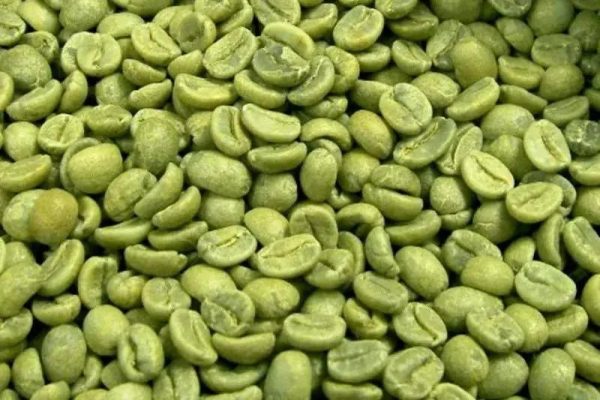
For importers, roasters, and coffee manufacturers, product quality is essential for maintaining consistent production and customer satisfaction.
Consider the following factors when evaluating a Robusta coffee supplier:
1. Origin and traceability
Confirm the country of origin and, where available, the growing region and supply-chain information.
2. Moisture content
Check the moisture specification and storage conditions to help reduce the risk of deterioration during transportation and storage.
3. Physical appearance
Inspect the beans for uniformity, foreign matter, visible damage, and other defects according to the agreed grade.
4. Flavor and aroma
Request samples and conduct a sensory evaluation to assess bitterness, body, aroma, and any undesirable flavor notes.
5. Processing and quality control
Ask about harvesting, drying, sorting, storage, and quality inspection procedures.
6. Packaging and shipping
Confirm packaging type, net weight, container loading requirements, shipping terms, and documentation before placing an order.
7. Supplier reliability
Choose a supplier that communicates clearly, provides accurate specifications, and can meet the agreed quality and delivery requirements.
A well-defined purchasing specification helps buyers compare offers more effectively and reduces the risk of misunderstandings during international trade.
Global demand for coffee creates opportunities for suppliers that can provide suitable products, reliable communication, and consistent quality. Robusta coffee remains an important option for businesses serving the instant coffee, espresso, roasted coffee, and beverage manufacturing sectors.
When purchasing Robusta coffee beans in bulk, international buyers should clearly specify the required grade, quantity, moisture level, defect limits, packaging, destination port, and delivery terms.
Buyers may also request product samples, quality inspection reports, certificates, or other documents required by their importing country and intended use.
Working with an experienced supplier can help streamline sourcing and support long-term business relationships.
Vina Eco Agri supports international buyers seeking agricultural products from Vietnam, including coffee and other agricultural raw materials.
For businesses interested in Vietnamese Robusta coffee beans, communicating your target specifications and purchasing requirements is an important first step toward identifying a suitable supply option.
Whether you are a coffee importer, distributor, roaster, or food and beverage manufacturer, product specifications should be matched to your intended application and target market.
Contact Vina Eco Agri to discuss your Vietnamese coffee sourcing requirements.
VINA ECO AGRI., LTD
Email: Sales@veavn.com
Website: https://veavn.com/en/
Robusta coffee beans play a significant role in the global coffee industry because of their bold flavor, relatively high caffeine content, adaptability, and wide range of commercial applications.
From espresso blends and instant coffee to roasted products and ready-to-drink beverages, Robusta offers manufacturers and coffee businesses a versatile raw material for different market segments.
Vietnam remains an important sourcing destination for Robusta coffee. By evaluating bean quality, product specifications, supplier reliability, and export requirements, international buyers can make more informed purchasing decisions and build sustainable coffee supply partnerships.