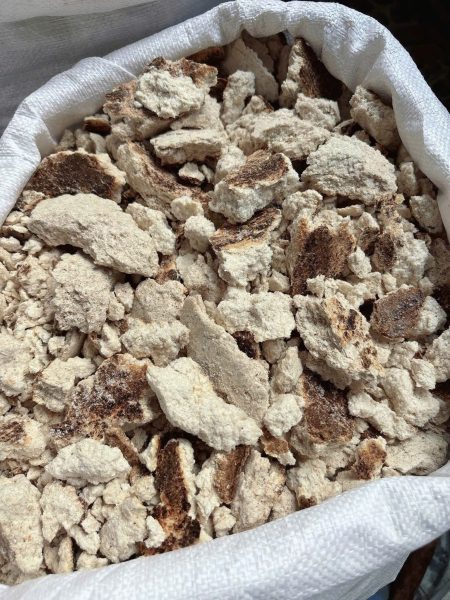
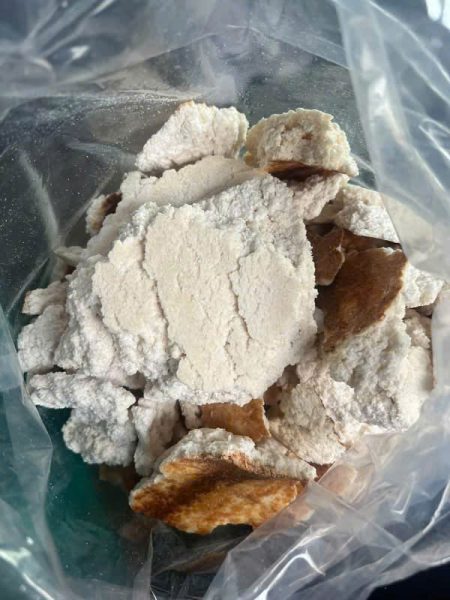
Copra cake is a valuable agricultural by-product widely used in animal feed production. Obtained after extracting oil from dried coconut kernels, copra cake contains protein, fiber, residual oil, and other nutrients that can support livestock nutrition. It is commonly used in feed formulations for cattle, sheep, goats, and other farm animals.
With the growing demand for cost-effective and sustainable feed ingredients, copra cake for animal feed has attracted interest from feed manufacturers, livestock farmers, and international agricultural commodity buyers.
In this article, we explore what copra cake is, its nutritional characteristics, major applications, and key advantages for the animal feed industry.
Copra cake, also known as coconut oil cake, is a by-product of coconut oil extraction. It is produced from dried coconut meat, commonly called copra, after the oil has been removed through mechanical pressing or other extraction processes.
The resulting material can be sold as copra cake or processed further into copra meal, depending on the production method and final product form.
Copra cake is an important ingredient in the agricultural feed sector because it contains useful nutrients and provides an additional source of value from coconut processing.
Its nutritional composition can vary according to coconut quality, oil extraction efficiency, processing conditions, and storage practices. Buyers should request a product specification and laboratory analysis before purchasing.

Copra cake provides several nutritional components that can contribute to a balanced animal diet.
Copra cake contains plant-based protein that can help meet the protein requirements of farm animals. It may be included in feed formulations for cattle, sheep, goats, and other livestock, depending on their nutritional needs.
However, copra cake should not be considered a complete protein source. Its amino acid profile, including its relatively limited lysine content, should be considered when formulating balanced feed.
Although much of the coconut oil is removed during processing, copra cake generally retains some residual oil. This contributes energy to the feed and can help improve the overall energy content of a ration.
The actual energy value depends on the remaining oil content, fiber level, and processing method.
Copra cake contains dietary fiber, which can be useful in ruminant feed formulations. Its fiber content and digestibility should be evaluated alongside other feed ingredients to ensure that the final ration meets the animal’s requirements.
Copra cake also contains minerals in varying amounts. However, its mineral profile should be assessed through laboratory testing rather than assumed to meet all livestock requirements.
Copra cake has several applications in livestock nutrition. The appropriate inclusion level depends on the animal species, age, production stage, and overall diet.
Copra cake can be used as a supplementary ingredient in cattle feed, particularly in rations for beef cattle and dairy cattle.
Its protein, residual oil, and fiber make it a potential component of formulated feed. For dairy cows, the inclusion rate should be adjusted to maintain appropriate energy, protein, fiber, and milk-production requirements.
Sheep and goats can utilize copra cake as part of a balanced ration. It can provide additional nutrients when combined with suitable forage and other feed ingredients.
Farmers should introduce it gradually and follow species-specific feeding recommendations to maintain proper rumen function and avoid nutritional imbalances.
Copra meal may be included in certain poultry feed formulations, but its relatively high fiber content and amino acid limitations can restrict its use.
For broilers and laying hens, feed manufacturers need to consider digestibility, available energy, amino acid balance, and the quality of the raw material before determining an appropriate inclusion level.
Copra cake and copra meal may also be evaluated as ingredients in selected aquaculture feed formulations. Their suitability depends on the fish or shrimp species, nutrient requirements, processing quality, and the digestibility of the finished feed.
They should not be used as a direct replacement for specialized aquatic protein sources without proper formulation and testing.

Copra cake can offer feed manufacturers an alternative source of protein and energy. Depending on local supply, transportation costs, and nutrient composition, it may help optimize feed formulation costs.
Buyers should compare prices on a nutrient-adjusted basis rather than relying on price per ton alone.
Copra cake makes productive use of material generated during coconut oil extraction. This supports resource efficiency by turning a coconut-processing by-product into a commercially useful feed ingredient.
Copra cake can be incorporated into different livestock feed formulations, although the suitable inclusion rate varies by animal species and production requirements.
Its versatility makes it relevant to feed mills, livestock farms, agricultural traders, and ingredient distributors.
Copra cake is a potential commodity for domestic and international agricultural trade. Feed manufacturers and importers may source it in bulk according to their requirements for quality, packaging, moisture, and delivery schedules.
Before placing an order, buyers should confirm product specifications, available quantities, shipping terms, and applicable import requirements.
The production and sale of copra cake create an additional revenue stream for coconut processors. This helps maximize the commercial value of coconuts beyond the primary production of coconut oil.
Choosing suitable copra cake is important for feed safety, consistency, and production efficiency.
When sourcing copra cake, buyers should evaluate the following factors:
For international shipments, buyers should request a Certificate of Analysis (COA), product specification sheet, and other documents required by the destination market.
The terms copra cake and copra meal are sometimes used interchangeably in commercial trade. However, they can describe different physical forms or processing outcomes.
Copra cake commonly refers to the material remaining after mechanical oil pressing, which may retain a compact cake-like form. Copra meal often refers to the crushed or ground material used in feed manufacturing.
Nutritional values can overlap significantly, so buyers should compare actual specifications, including crude protein, crude fiber, residual oil, moisture, and processing method.
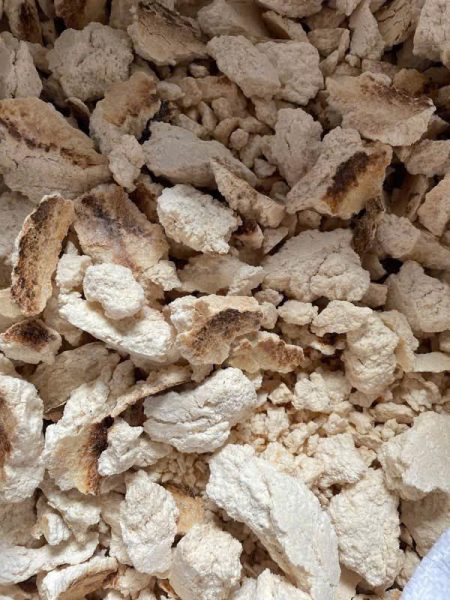
For animal feed manufacturers, wholesalers, and agricultural commodity importers, sourcing reliable copra cake is essential for maintaining consistent production quality.
When selecting a supplier, buyers should consider product consistency, transparent specifications, packaging options, order volume, and export documentation.
VINA ECO AGRI., LTD supports agricultural commodity trade and connects international buyers with agricultural products for commercial applications.
If you are looking for copra cake for animal feed, contact our team to discuss your requirements, product specifications, bulk orders, and export inquiries.
Contact VINA ECO AGRI., LTD
Email: Henry@veavn.com
Website: https://veavn.com/en/
Feel free to contact us for more information about our agricultural products and export opportunities.
Copra cake can be a useful source of protein, residual oil, and fiber in animal feed. Its suitability depends on the animal species, nutritional requirements, product quality, and the balance of the complete ration.
Copra cake is commonly considered for cattle, sheep, and goats. It may also be used in selected poultry and aquaculture feed formulations when nutritional limitations are properly addressed.
Both are by-products of coconut oil extraction. Copra cake often refers to the pressed material, while coconut meal or copra meal may refer to a crushed or ground form. Commercial definitions vary, so product specifications are important.
Store copra cake in a clean, dry, well-ventilated area, protected from rain, humidity, pests, and direct contact with the floor. Monitor moisture and signs of spoilage throughout storage.
Buyers should check crude protein, moisture, fiber, residual oil, contamination risks, packaging, shipment volume, certificates, and destination-country import requirements.
Copra cake for animal feed is a useful coconut-processing by-product with potential applications in livestock nutrition and selected feed formulations. Its protein, residual oil, and fiber content can contribute to balanced animal diets when the ingredient is appropriately selected and formulated.
For feed manufacturers and international buyers, the most important considerations are consistent quality, verified nutritional specifications, safe storage, and a reliable supply chain.
Contact VINA ECO AGRI., LTD to discuss bulk copra cake sourcing and agricultural export opportunities.
Copra Cake for Animal Feed, Copra cake uses, Copra cake benefits, Copra meal for livestock, Coconut oil cake for animal feed, Copra cake supplier, Bulk copra cake, Coconut meal for animal feed