Vietnam is one of the world’s largest rice exporters, playing a vital role in ensuring global food security. With favorable natural conditions, advanced farming techniques, and strong export capabilities, Vietnam rice export has become a trusted choice for importers across Asia, Africa, the Middle East, Europe, and beyond. This article provides an in-depth overview of Vietnam’s rice export industry, key advantages, popular rice varieties, and future prospects.
Vietnam consistently ranks among the top rice-exporting countries in the world, alongside India and Thailand. Each year, millions of tons of Vietnamese rice are exported to international markets, contributing significantly to the country’s agricultural economy.
The Mekong Delta, known as the “rice bowl of Vietnam,” accounts for the majority of rice production. Thanks to fertile soil, abundant water resources, and a tropical climate, Vietnam is able to harvest multiple rice crops per year, ensuring a stable and reliable supply for export.

One of the main strengths of Vietnam rice export is its stable production capacity. Continuous improvement in farming methods and irrigation systems allows Vietnam to maintain high output levels while keeping prices competitive. This makes Vietnamese rice especially attractive to price-sensitive markets.
Vietnam exports a diverse selection of rice to meet different market demands, including:
Long-grain white rice
Jasmine rice
Fragrant rice
Japonica rice
Sticky (glutinous) rice
Organic and specialty rice
This diversity enables exporters to serve both mass markets and premium segments.
In recent years, Vietnam has focused strongly on improving rice quality rather than quantity alone. Modern milling technology, strict quality control, and compliance with international standards such as HACCP, ISO, and GlobalG.A.P. have significantly enhanced the reputation of Vietnamese rice in global markets.
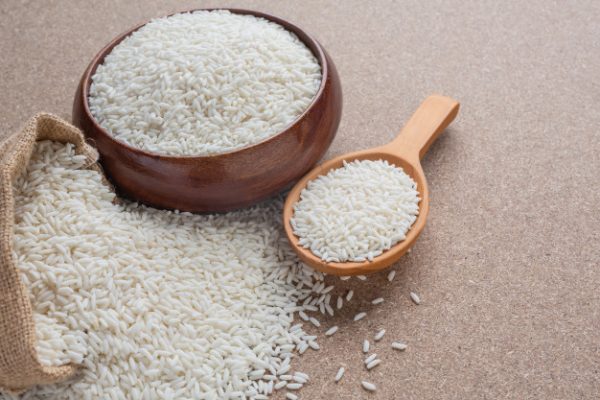
Vietnamese Jasmine rice is highly valued for its soft texture, natural aroma, and pleasant taste. It is widely exported to Asia, Africa, and the Middle East, where fragrant rice is in high demand.
Long-grain white rice from Vietnam is known for its clean appearance, consistent grain length, and affordability. It is a staple export product to many developing and emerging markets.
Japonica rice, commonly used in Japanese and Korean cuisine, is increasingly produced in Vietnam to serve premium markets. This type of rice is short-grain, slightly sticky, and highly nutritious.
With growing global demand for healthy and sustainable food, organic rice and specialty rice from Vietnam are gaining attention. These products meet strict cultivation standards and appeal to high-end consumers.

Vietnamese rice is exported to over 150 countries worldwide. Major markets include:
Southeast Asia
China
Africa
The Middle East
Europe
Free trade agreements such as EVFTA and CPTPP have helped Vietnamese rice gain better access to high-value markets by reducing tariffs and improving competitiveness.
Technology plays an increasingly important role in Vietnam rice export. Precision farming, improved seed varieties, and digital supply chain management help ensure traceability and consistent quality.
At the same time, sustainability is becoming a key focus. Many rice exporters are adopting eco-friendly farming practices, reducing chemical use, and promoting low-carbon rice production to meet global sustainability requirements.
Despite its strong position, Vietnam rice export faces challenges such as climate change, rising production costs, and increasing competition. However, these challenges also create opportunities for innovation, value-added products, and brand building.
By shifting toward high-quality, branded, and value-added rice, Vietnam is strengthening its long-term competitiveness in the global market.
The future of Vietnam rice export is highly promising. With continued investment in quality improvement, sustainable farming, and international branding, Vietnam is moving from being a volume-driven exporter to a quality-focused global rice supplier.
As global demand for safe, nutritious, and traceable rice continues to grow, Vietnamese rice is well positioned to expand its presence in both traditional and premium markets.

Vietnam rice export has evolved into a strong and reliable pillar of the global rice supply chain. With competitive pricing, diverse rice varieties, improving quality standards, and sustainable production practices, Vietnam continues to strengthen its reputation as a leading rice exporter. For international buyers seeking consistent quality and long-term partnerships, Vietnamese rice remains an excellent choice.