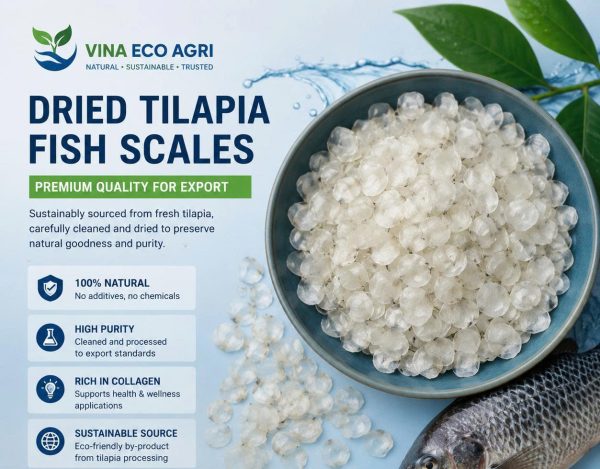
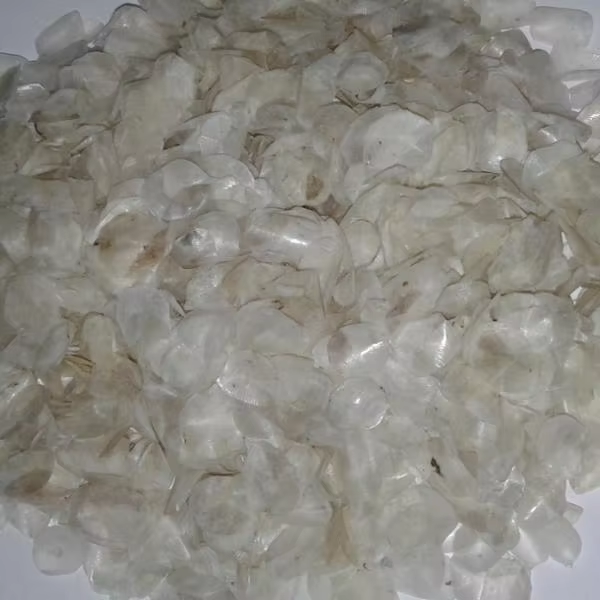
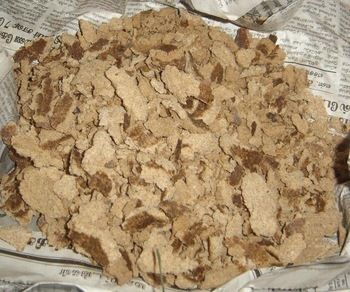
Vietnam has become one of the leading suppliers of agricultural products in Asia, and Vietnam dried lotus seeds are gaining increasing recognition in international markets. Known for their natural flavor, high nutritional value, and strict quality standards, dried lotus seeds from Vietnam are widely exported to countries across Asia, Europe, and North America. As global demand for healthy and plant-based ingredients continues to grow, Vietnam is positioning itself as a reliable source of premium dried lotus seeds for global buyers.

Dried lotus seeds are harvested from the lotus flower (Nelumbo nucifera), a plant that grows abundantly in the wetlands and river deltas of Vietnam. After harvesting, the seeds are carefully processed through peeling, drying, and quality sorting to produce clean, uniform, and shelf-stable products suitable for export.
Vietnamese dried lotus seeds are known for their large size, creamy color, and naturally sweet taste. They are widely used in traditional Asian cuisine, herbal medicine, desserts, soups, and healthy snacks.
One of the main reasons dried lotus seeds are popular worldwide is their impressive nutritional profile. These seeds are rich in essential nutrients that support overall health.
Key nutrients include:
Because of these benefits, dried lotus seeds are often included in healthy diets, vegetarian meals, and functional foods.
Vietnam dried lotus seeds are versatile ingredients used in many food products. In Asian cuisine, they are commonly found in lotus seed soup, sweet desserts, mooncakes, herbal teas, and porridge.
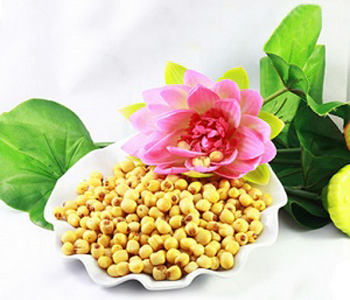
Internationally, food manufacturers are increasingly incorporating lotus seeds into modern food products such as:
With the global trend toward natural, plant-based, and functional foods, lotus seeds have strong potential in expanding markets.
Vietnam has ideal natural conditions for lotus cultivation, especially in regions such as the Mekong Delta and Northern Vietnam. The country benefits from fertile soil, warm climate, and abundant water sources, which contribute to high-quality lotus crops.
Vietnamese producers are increasingly adopting modern processing technologies, food safety standards, and export certifications such as HACCP, ISO, and FDA compliance. These standards help ensure that dried lotus seeds meet international requirements for safety, quality, and traceability.
In addition, Vietnam offers several competitive advantages:
These factors make Vietnam an attractive sourcing destination for wholesalers, importers, and food manufacturers.
Vietnam dried lotus seeds are currently exported to many international markets. Key destinations include:
The growing interest in Asian superfoods and traditional herbal ingredients has further boosted global demand for lotus seeds.

The future of the lotus seed industry in Vietnam looks promising. As consumers worldwide seek natural, nutritious, and sustainable food ingredients, dried lotus seeds are becoming a valuable product in global agricultural trade.
Vietnamese exporters continue to invest in quality improvement, product diversification, and sustainable farming practices to meet the expectations of international buyers.
Vietnam dried lotus seeds are a premium agricultural product known for their excellent quality, nutritional benefits, and wide culinary applications. With favorable growing conditions, improving processing standards, and competitive export capabilities, Vietnam is becoming a trusted supplier of dried lotus seeds to global markets.
For importers and food manufacturers looking for reliable partners, Vietnam offers high-quality dried lotus seeds that meet international standards and market demands.