Vietnam cocoa beans exporter, Vietnamese cocoa beans, buy cocoa beans from Vietnam, cocoa bean supplier Vietnam, fermented cocoa beans Vietnam, cocoa beans export Vietnam, premium cocoa beans Vietnam.


Vietnam has emerged as a promising origin for premium cocoa beans in the global market. Thanks to its favorable tropical climate, fertile soil, and increasing focus on sustainable farming, Vietnam produces cocoa beans with rich flavor profiles and consistent quality. For chocolate manufacturers, food processors, and global traders, partnering with a reliable Vietnam cocoa beans exporter ensures access to high-quality beans that meet international standards.
This article explores why Vietnam is becoming a trusted cocoa supplier and what makes Vietnamese cocoa beans a valuable choice for buyers worldwide.
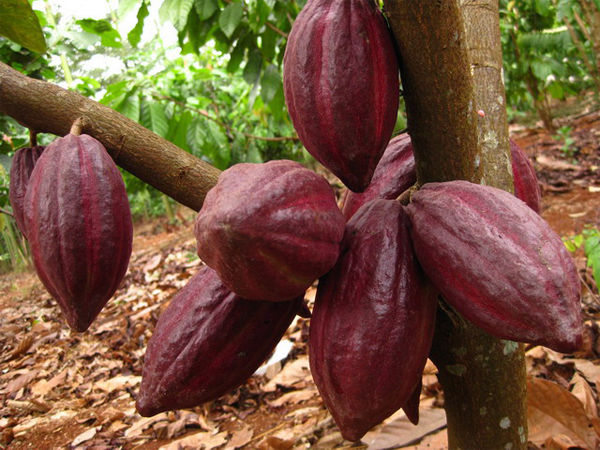
Vietnam’s cocoa cultivation has grown steadily over the past two decades. Cocoa is mainly cultivated in the southern regions such as the Mekong Delta, Central Highlands, and Southeast Vietnam.
Several factors contribute to the increasing global demand for Vietnamese cocoa beans:
Ideal Growing Conditions
Vietnam’s tropical climate with abundant rainfall and warm temperatures creates the perfect environment for cocoa trees to thrive.
Smallholder Farming with Careful Harvesting
Most cocoa beans in Vietnam are grown by smallholder farmers who carefully harvest and ferment cocoa pods to preserve natural flavor and quality.
Sustainable Farming Practices
Many farms follow sustainable and environmentally friendly cultivation methods, ensuring healthier soil and long-term productivity.

One of the reasons global buyers are increasingly interested in Vietnamese cocoa is its unique flavor profile.
Vietnamese cocoa beans often offer:
Fruity and slightly acidic notes
Mild bitterness compared to some African varieties
Natural chocolate aroma
Smooth and balanced taste
These characteristics make Vietnamese cocoa beans ideal for producing premium chocolate, cocoa powder, and artisanal chocolate products.
A professional Vietnam cocoa beans exporter focuses heavily on post-harvest processing to maintain consistent quality.
1. Fermentation
Fresh cocoa beans are fermented for 5–7 days to develop complex chocolate flavors.
2. Drying
Beans are sun-dried or mechanically dried to reduce moisture content, typically to around 7%, which helps preserve quality during storage and transport.
3. Cleaning and Sorting
High-quality exporters carefully remove defective beans, impurities, and broken shells.
4. Packaging
Beans are packed in jute bags or food-grade sacks to maintain freshness during export.

Global buyers choose Vietnamese suppliers for several important reasons.
Vietnamese exporters increasingly follow international quality standards, ensuring beans are well-fermented, properly dried, and carefully sorted.
Compared to some traditional cocoa-producing countries, Vietnam often offers competitive prices without compromising quality, making it attractive for importers.
Many exporters work directly with farmer cooperatives, allowing better traceability and transparency.
Vietnam has strong export infrastructure, including modern ports and efficient logistics, enabling reliable shipment to markets in Europe, the United States, Japan, and the Middle East.
High-quality cocoa beans from Vietnam are widely used in many industries, including:
Chocolate manufacturing
Cocoa powder production
Bakery and confectionery
Beverage industry
Cosmetics and skincare products
The versatility of cocoa beans makes them a valuable raw material for numerous global industries.
When sourcing cocoa beans from Vietnam, buyers should consider several key factors:
Experience in agricultural export
Consistent quality control process
Clear product specifications
Food safety certifications
Strong logistics and packaging standards
Working with an experienced exporter ensures smooth transactions and reliable product quality.
Vietnam is quickly gaining recognition as a trusted origin for premium cocoa beans. With favorable growing conditions, improving farming practices, and professional export standards, Vietnamese cocoa beans offer both quality and value.
For chocolate manufacturers and global traders seeking a reliable supplier, partnering with a Vietnam cocoa beans exporter provides access to high-quality beans with excellent flavor and consistent supply.
As global demand for cocoa continues to grow, Vietnam is well positioned to become one of the most trusted cocoa sourcing destinations in the world.