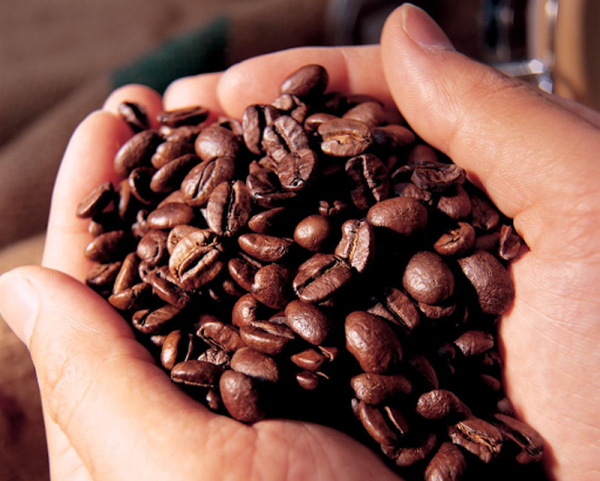
Coffee beans are more than just the foundation of your favorite morning beverage. Derived from the seeds of the coffee plant, most commonly from Coffea arabica and Coffea canephora, coffee beans contain powerful bioactive compounds that contribute to numerous health benefits.
Backed by scientific research, here are the top 10 health benefits of coffee bean you should know.

Coffee beans are loaded with antioxidants, especially chlorogenic acids (CGAs) and polyphenols. These compounds help neutralize harmful free radicals in the body, reducing oxidative stress.
Studies show that for many people, coffee is one of the largest sources of antioxidants in their daily diet — even more than fruits and vegetables combined.
Key benefit: Supports overall cellular health and slows aging processes.
The caffeine in coffee beans acts as a natural stimulant. It blocks adenosine, a neurotransmitter that makes you feel tired, and increases dopamine and norepinephrine levels.
Scientific research indicates that caffeine can improve:
Memory
Mood
Reaction time
Cognitive performance
Key benefit: Enhances focus and mental clarity.
Moderate coffee consumption has been associated with a lower risk of heart disease. Research suggests that antioxidants in coffee beans may reduce inflammation and improve blood vessel function.
Several large-scale studies have found that moderate coffee drinkers have a lower risk of stroke and cardiovascular disease compared to non-drinkers.
Key benefit: Promotes cardiovascular protection when consumed in moderation.

Multiple studies show that people who regularly consume coffee have a significantly reduced risk of developing type 2 diabetes.
Chlorogenic acid in coffee beans helps regulate blood sugar levels and improve insulin sensitivity.
Key benefit: Supports healthy glucose metabolism.
Caffeine is one of the few natural substances scientifically proven to increase fat burning. It stimulates the nervous system and signals fat cells to break down body fat.
Research indicates caffeine can increase metabolic rate by 3–11%.
Key benefit: Aids in weight management and energy expenditure.
Coffee consumption has been linked to a lower risk of liver conditions, including fatty liver disease and liver fibrosis.
Studies suggest coffee may reduce the risk of cirrhosis by up to 80% in certain populations.
Key benefit: Protects liver function and reduces liver inflammation.
Scientific evidence suggests that regular coffee consumption may lower the risk of:
Alzheimer’s disease
Parkinson’s disease
Caffeine and antioxidants in coffee beans protect brain cells from degeneration.
Key benefit: Supports long-term brain health.
Caffeine increases adrenaline levels, preparing the body for physical exertion. It also improves endurance by increasing fatty acid availability in the bloodstream.
Athletes often consume coffee before workouts to enhance performance naturally.
Key benefit: Boosts stamina and physical output.
Research suggests coffee consumption may be associated with a reduced risk of certain cancers, particularly:
Liver cancer
Colorectal cancer
The antioxidants and anti-inflammatory compounds in coffee beans may play a protective role.
Key benefit: Supports cellular protection.
Studies have found that coffee drinkers may have a lower risk of depression. Caffeine stimulates neurotransmitters that influence mood regulation.
Some research also suggests a lower risk of suicide among moderate coffee consumers.
Key benefit: Promotes emotional well-being.
Coffee beans contain:
Caffeine
Chlorogenic acids
Polyphenols
Diterpenes (cafestol and kahweol)
Small amounts of vitamins B2, B3, B5
Magnesium and potassium
The exact nutritional value depends on the type of bean, roasting level, and brewing method.

Most research suggests that 3–4 cups per day (approximately 300–400 mg of caffeine) is safe for healthy adults.
However, excessive consumption may cause:
Insomnia
Anxiety
Increased heart rate
Moderation is key to maximizing the health benefits of coffee bean.
The health benefits of coffee bean are well-supported by scientific research. From boosting brain function and metabolism to protecting the heart and liver, coffee is more than just a daily ritual — it’s a functional superfood when consumed responsibly.
If you are in the coffee industry or sourcing premium coffee beans, understanding these scientifically backed benefits can also help strengthen your marketing and export strategy.