The most concerning consequence of cashew consumption is an allergic reaction. For about 0.5-1% of the population, cashews can trigger an immune response ranging from mild discomfort to life-threatening anaphylaxis. Symptoms of a cashew allergy include itching, sneezing and even dizziness in many cases.
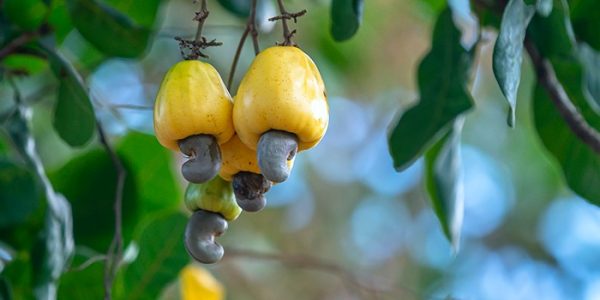
Cashews are high in both fat and fibre, which can be a double-edged sword for your digestive system. While these nutrients are essential for a healthy gut, consuming too many cashews can lead to bloating, diarrhoea and even constipation among other problems.
Don’t underestimate the calorie count of these tasty nuts! A handful of cashews packs about 160 calories, and overindulging can easily contribute to weight gain. While cashews contain healthy fats, they should be considered a calorie-dense snack and consumed in moderation, especially if you’re watching your weight.
Though cashews boast a low glycemic index, meaning they don’t cause a rapid rise in blood sugar levels, they still contain carbohydrates. Individuals with diabetes or prediabetes should be mindful of their cashew intake and monitor their blood sugar levels accordingly. Consulting a healthcare professional for personalized dietary recommendations is crucial for managing blood sugar effectively.
Unroasted cashews harbour a hidden enemy in their shells – urushiol, the same toxin found in poison ivy. Contact with urushiol can cause skin irritation, redness, and blistering in sensitive individuals. To avoid this unpleasant experience, always purchase roasted cashews or wear gloves when handling unroasted ones.
Cashew nuts, like many other plant-based foods, contain anti-nutrients such as phytic acid. These compounds can bind to minerals like calcium, iron, and zinc, reducing their absorption in the body. Soaking or roasting cashews before consumption can help reduce the levels of anti-nutrients and enhance nutrient absorption.
Cashew nuts contain oxalates, naturally occurring compounds that, when consumed in excess, can contribute to the formation of kidney stones.
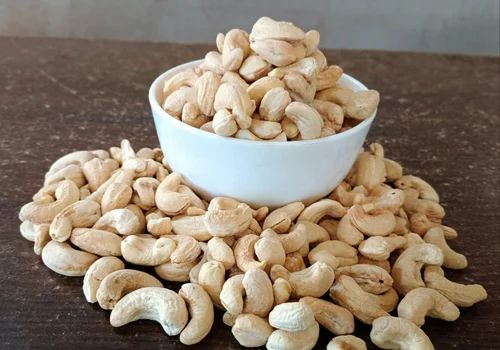
While cashews are a nutritious and delightful addition to your diet, it’s essential to be aware of their potential downsides. By making informed choices, you can savour the best of these creamy nuts without facing any unwanted consequences.
cashew nuts, cashew nuts supplier, cashew nuts exporter, bulk cashew nuts, wholesale cashew nut, Vietnam cashew nuts, cashew nuts for export, raw cashew nuts, roasted cashew nuts, premium cashew nuts, natural cashew nuts