


Tilapia is one of the world’s most widely farmed freshwater fish, supplying millions of tons of seafood annually. While the fillets are highly valued for human consumption, large quantities of fish by-products—including scales, skin, bones, and fins—are often discarded. Among these by-products, tilapia fish scales have gained significant attention as a valuable raw material for multiple industries.
Today, tilapia fish scales are no longer considered waste. Instead, they are processed into collagen, gelatin, hydroxyapatite, organic fertilizers, animal feed ingredients, cosmetics, biomedical materials, and more. Their increasing commercial value supports the circular economy while reducing environmental pollution.
This article explores the properties, benefits, industrial uses, processing methods, and global market potential of tilapia fish scales.
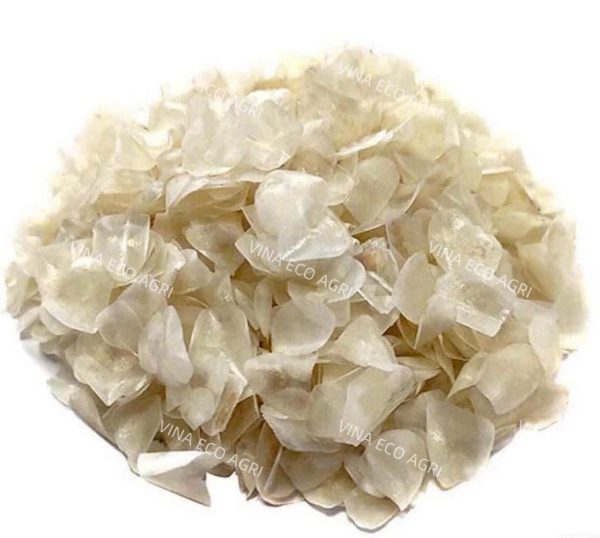
Tilapia fish scales are thin, calcified structures that protect the fish’s body. They consist primarily of:
Unlike synthetic materials, fish scales are biodegradable, renewable, and environmentally friendly.
Modern processing technologies allow manufacturers to recover these valuable components for commercial applications.
A typical composition includes:
| Component | Approximate Content |
|---|---|
| Collagen | 35–45% |
| Minerals | 40–50% |
| Moisture | 10–15% |
| Proteins | Variable |
| Hydroxyapatite | High concentration |
This composition makes tilapia scales suitable for various industrial sectors.
Instead of becoming waste, fish scales can be converted into high-value products, reducing landfill disposal and environmental impact.
Tilapia scales contain abundant Type I collagen, widely used in:
Fish-derived collagen is increasingly preferred because it is highly biocompatible and suitable for consumers avoiding mammalian sources.
The calcium and phosphorus naturally present in fish scales make them an excellent raw material for producing:

Tilapia fish scales are:
They contribute to waste reduction and resource efficiency.
One of the largest applications is collagen extraction.
Tilapia collagen is widely used in:
Collagen peptides produced from fish scales offer excellent bioavailability and are increasingly popular in the global health and wellness market.
Fish scales can be processed into gelatin for use in:
Fish gelatin is an attractive alternative to bovine or porcine gelatin for certain markets.
Marine collagen extracted from tilapia scales is commonly found in:
Its moisturizing and film-forming properties make it a valuable cosmetic ingredient.
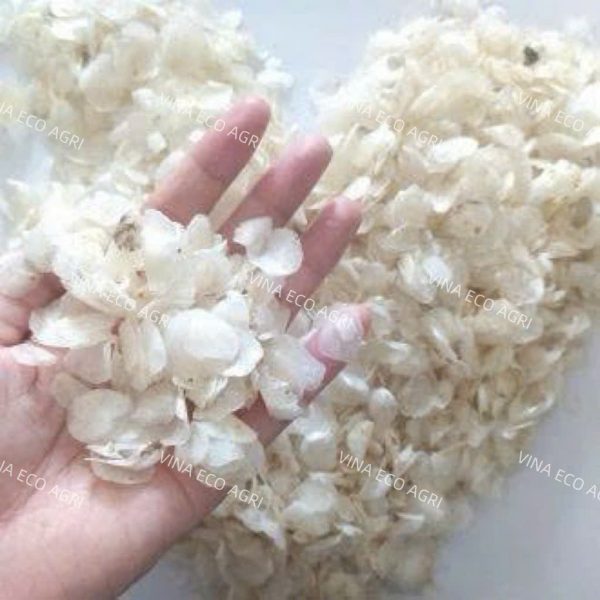
Researchers continue exploring tilapia scale derivatives for:
The natural collagen matrix supports cell growth and tissue repair.
Hydroxyapatite extracted from tilapia scales closely resembles human bone minerals.
Applications include:
This field continues to grow rapidly with advances in biomaterials research.

Commercial processing typically involves several steps:
Scales are collected from fish processing plants immediately after filleting.
Impurities, fats, and organic residues are removed using clean water.
The scales are dried under controlled conditions to reduce moisture and preserve quality.
Dried scales are milled into powder or prepared for extraction processes.
Depending on the intended product, manufacturers extract:
Compared with skin or bones, fish scales offer several advantages:
These characteristics make them an attractive raw material for manufacturers.
Growing consumer interest in natural ingredients and sustainable production has increased demand for tilapia fish scales worldwide.
Major importing regions include:
Industries driving demand include:
As the circular economy gains momentum, fish-processing by-products are becoming increasingly valuable in international trade.

Vietnam is one of the world’s leading seafood exporters and offers a reliable supply of tilapia processing by-products.
Key advantages include:
Vietnamese suppliers can provide dried tilapia fish scales in bulk quantities for industrial processing and manufacturing.
Tilapia fish scales have evolved from a discarded by-product into a valuable industrial resource. Rich in collagen, minerals, and hydroxyapatite, they support applications across the cosmetics, pharmaceutical, food, agriculture, and biomedical sectors.
As sustainability and resource efficiency become priorities worldwide, the demand for tilapia fish scales continues to grow. Businesses seeking renewable raw materials can benefit from sourcing high-quality dried tilapia fish scales from trusted suppliers, particularly in major aquaculture-producing countries such as Vietnam.


