Vietnam has long been recognized as one of the world’s leading agricultural producers and exporters. Among its many export-oriented crops, cashew nuts play a particularly vital role in strengthening Vietnam’s position in the global agricultural market. For decades, cashew exports have contributed significantly to national export revenue, rural employment, and the development of value-added agricultural processing. Today, Vietnam is widely regarded as the world’s largest exporter of cashew kernels, supplying markets across Asia, Europe, and the Americas.

Cashew nuts are not only a high-value agricultural product but also a strategic export commodity for Vietnam. Thanks to favorable climatic conditions, skilled labor, and continuous investment in processing technology, Vietnam has developed a strong and competitive cashew industry.
Each year, cashew exports generate billions of US dollars in foreign exchange earnings, making cashews one of the top agricultural export products alongside coffee, rice, and seafood. This stable source of export income helps improve Vietnam’s trade balance and reduces dependence on raw material exports with lower added value.
Vietnam has maintained its position as the world’s number one exporter of processed cashew kernels for many consecutive years. Vietnamese cashew products are present in more than 90 countries and territories, with major markets including the United States, the European Union, China, and the Middle East.
One of Vietnam’s key strengths lies in its advanced processing capacity. While raw cashew nuts are sourced both domestically and from African countries, Vietnam excels in shelling, grading, roasting, and packaging cashew kernels according to international standards. This allows Vietnamese exporters to capture higher value in the global supply chain.
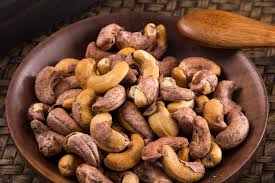
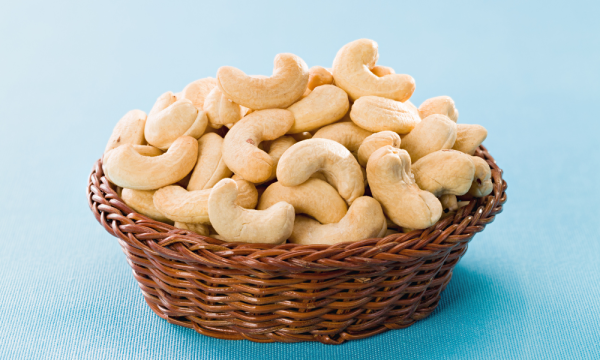
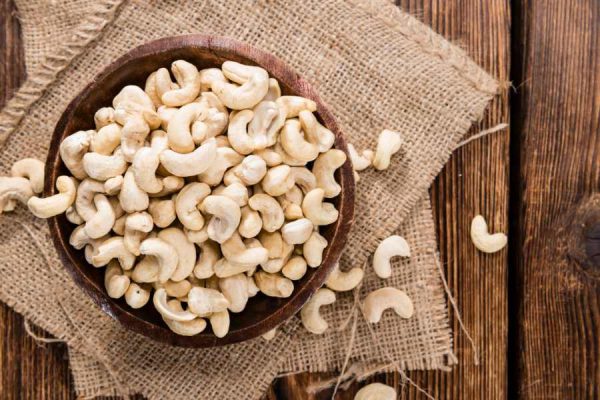
The cashew industry plays a crucial role in shifting Vietnam’s agricultural exports from raw materials to processed products. Instead of exporting unprocessed agricultural goods, Vietnam focuses on producing high-quality cashew kernels, roasted cashews, flavored cashews, and organic cashew products.
This transition toward value-added processing:
Increases export prices and profit margins
Enhances brand recognition for Vietnamese agricultural products
Improves competitiveness in demanding international markets
As a result, cashew nuts serve as a model for other agricultural sectors seeking sustainable export growth.
Cashew production and processing create employment opportunities for hundreds of thousands of workers, particularly in rural and mountainous areas. From cultivation and harvesting to processing and export logistics, the cashew value chain supports livelihoods and contributes to poverty reduction.
The development of cashew-processing factories in provinces such as Bình Phước, Đồng Nai, and Bình Dương has boosted local economies and encouraged rural industrialization. This socio-economic impact further highlights the importance of cashew nuts in Vietnam’s agricultural export strategy.
To maintain its leading export position, Vietnam’s cashew industry continuously adapts to strict international standards related to food safety, quality control, and sustainability. Many exporters comply with certifications such as ISO, HACCP, BRC, and Organic standards, ensuring access to high-end markets.
In recent years, sustainability and traceability have become key trends in global agricultural trade. Vietnamese cashew exporters are increasingly investing in:
Sustainable farming practices
Traceable supply chains
Environmentally friendly processing technologies
These efforts help enhance Vietnam’s reputation as a reliable and responsible agricultural exporter.
Cashew nuts contribute significantly to building the global brand image of Vietnamese agriculture. The consistent quality, competitive pricing, and reliable supply of Vietnamese cashew products have earned trust from international buyers.
By promoting branded and packaged cashew products rather than bulk exports, Vietnam is gradually moving up the value chain. This branding strategy not only increases export revenue but also positions Vietnamese agricultural products more strongly in global retail markets.
Despite its success, the cashew export sector faces challenges such as fluctuating raw material prices, increasing competition, and stricter import regulations. However, these challenges also present opportunities for innovation, product diversification, and deeper market penetration.
With continued investment in technology, sustainability, and branding, cashew nuts are expected to remain a key pillar of Vietnam’s agricultural export growth in the coming years.
In conclusion, cashew nuts play a vital role in Vietnam’s agricultural exports by generating export revenue, creating jobs, adding value through processing, and enhancing the country’s global agricultural reputation. As global demand for healthy and sustainable food products continues to rise, Vietnam’s cashew industry is well-positioned to maintain its leadership and contribute even more significantly to the nation’s agricultural and economic development.