In today’s fast-growing food and industrial sectors, finding a reliable tapioca supplier is essential for businesses that require consistent quality, competitive pricing, and stable long-term supply. Tapioca products—derived from cassava—are widely used in food processing, animal feed, pharmaceuticals, paper manufacturing, and bio-industries.
This article will help you understand what makes a trusted tapioca supplier, the types of tapioca products available, and how to choose the right supplier for domestic and international markets.
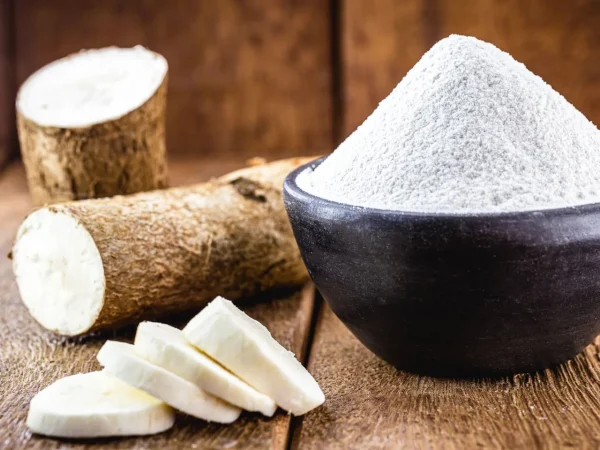
Tapioca is a starch extracted from cassava roots. It is naturally gluten-free, neutral in taste, and highly versatile. Because of these properties, tapioca is increasingly used worldwide.
Food & beverage (noodles, snacks, desserts, bubble tea)
Animal feed
Paper & textile manufacturing
Pharmaceuticals
Bioethanol and biodegradable products
The growing demand makes selecting a professional tapioca supplier more important than ever.
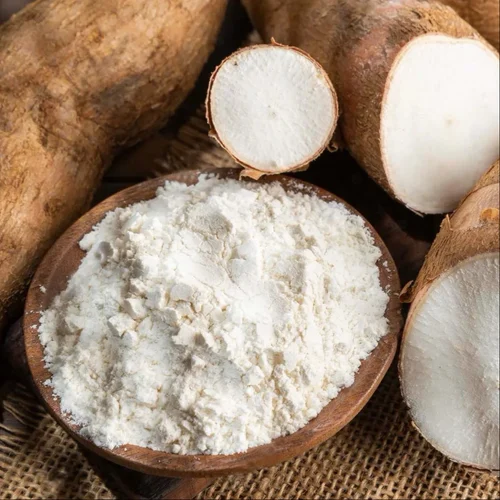
A reputable tapioca supplier typically offers a wide range of products to meet different industrial requirements.
High purity, fine texture
Used in food processing, sauces, confectionery
Available in food grade and industrial grade
Small, medium, and large sizes
Commonly used in bubble tea, desserts, and beverages
Consistent shape and cooking performance
Enhanced viscosity, stability, or binding properties
Used in processed foods and industrial applications
Used for animal feed or further processing
High starch content, low moisture
A professional tapioca supplier should provide clear specifications, grades, and application guidance for each product.
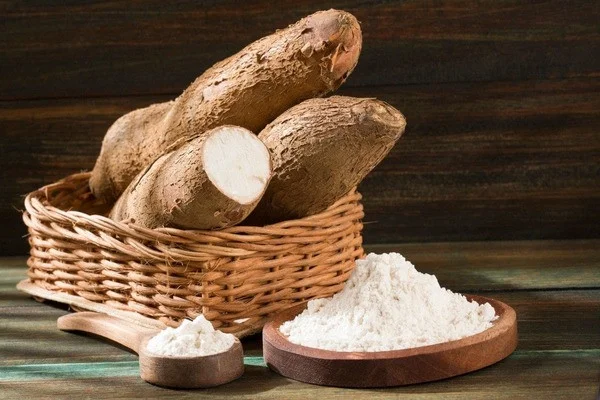
Quality is the most critical factor. A trusted tapioca supplier ensures:
Stable starch content
Low moisture levels
Compliance with food safety standards (ISO, HACCP, FDA, etc.)
Suppliers located in major cassava-growing regions (such as Southeast Asia) have advantages in:
Fresh raw materials
Competitive pricing
Stable year-round supply
For large buyers and exporters, production scale matters. A reliable tapioca supplier should:
Handle bulk orders
Maintain consistent lead times
Support long-term contracts
Professional suppliers offer:
25kg / 50kg PP or kraft bags
Jumbo bags for bulk buyers
Private labeling and OEM services
An experienced tapioca supplier for international markets should provide:
Full export documentation
Flexible Incoterms (FOB, CIF, CFR)
Compliance with destination-country regulations
Vietnam has become one of the leading cassava and tapioca producers globally.
Abundant cassava resources
Competitive pricing
Modern processing technology
Strong export experience to Asia, Europe, and the Middle East
Many global buyers now prefer Vietnam as a strategic sourcing destination for tapioca products.
A reliable tapioca supplier supports diverse industries:
Food industry: noodles, snacks, bakery, sauces
Beverage industry: bubble tea pearls
Animal feed: high-energy carbohydrate source
Industrial use: adhesives, paper coating, textiles
With the right supplier, businesses can optimize production costs while maintaining high product quality.
When searching online for a tapioca supplier, consider:
Company website transparency
Product specifications and certifications
Customer reviews and export track record
Responsiveness and technical support
Request samples, COA (Certificate of Analysis), and trial orders before committing to long-term cooperation.
Choosing the right tapioca supplier is a strategic decision that directly affects product quality, production efficiency, and profitability. A professional supplier offers consistent quality, competitive pricing, reliable logistics, and long-term partnership value.
If you are looking for a dependable tapioca supplier for food, feed, or industrial applications, prioritize quality standards, sourcing transparency, and export expertise to ensure sustainable success.
tapioca starch supplier I tapioca supplier I reliable tapioca supplier I tapioca supplier Vietnam I bulk tapioca supplier I Vietnam tapioca starch supplier