Tapioca has become one of the world’s most sought-after agricultural products thanks to its versatility, affordability, and natural properties. Vietnam is among the leading exporters of high-quality tapioca products, supplying food manufacturers, beverage companies, paper mills, textile factories, and industrial producers across the globe.
In this article, you’ll discover what tapioca is, its benefits, applications, product types, and why Vietnam is a trusted source for premium tapioca exports.
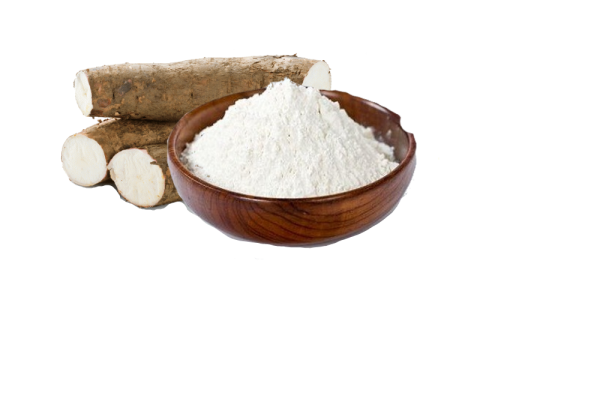
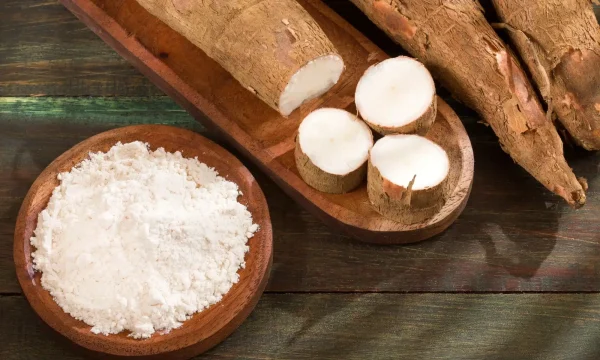
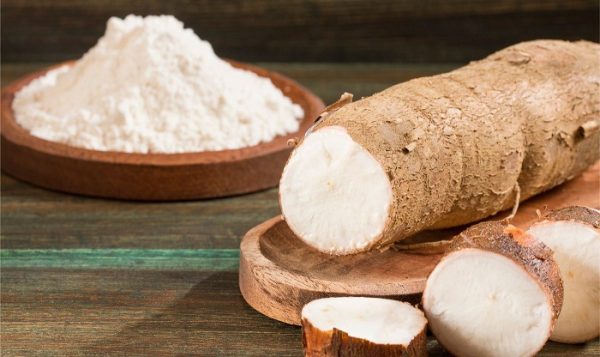
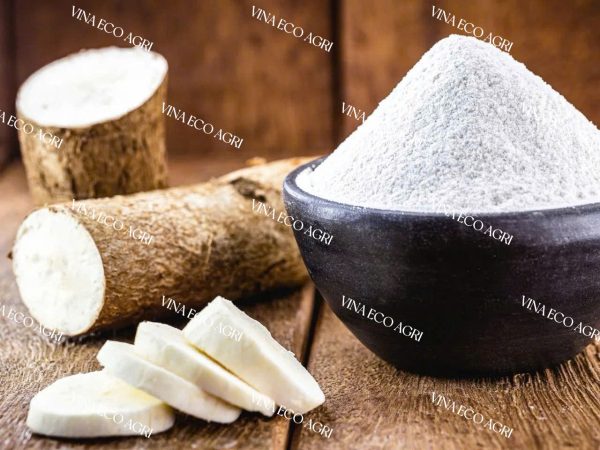
Tapioca is a starch extracted from the roots of the cassava plant (Manihot esculenta). It is naturally gluten-free, odorless, and neutral in taste, making it an excellent ingredient for numerous food and industrial applications.
Vietnam’s tropical climate provides ideal growing conditions for cassava, resulting in high-quality tapioca with excellent purity and consistency.
The global demand for tapioca continues to grow because it offers numerous advantages:
These characteristics make tapioca one of the most versatile starches available on the international market.
Tapioca starch is the most widely exported cassava product. It appears as a fine white powder with high purity and excellent thickening ability.
Applications include:
Modified tapioca starch undergoes physical or chemical processing to improve stability and functionality.
Common uses include:
Tapioca pearls are popular worldwide, especially in bubble tea and desserts.
Available sizes include:
Dried cassava chips are widely used for:
Although tapioca is primarily valued for its starch content, it also offers several nutritional benefits.
People with gluten intolerance or celiac disease often choose tapioca as a safe alternative to wheat-based products.
Tapioca is gentle on the digestive system, making it suitable for children, older adults, and individuals with sensitive digestion.
Rich in carbohydrates, tapioca provides fast and sustainable energy for daily activities.
Tapioca contains very little fat, making it an excellent ingredient for balanced diets when consumed in moderation.
Tapioca is widely used beyond the food industry.
Tapioca starch improves:
Manufacturers use tapioca starch for:
Tapioca starch serves as an excipient in tablet production due to its excellent binding properties.
Many eco-friendly adhesives incorporate tapioca starch because of its natural bonding ability.
Vietnam has established itself as one of the world’s leading tapioca exporters for several reasons.
Vietnamese manufacturers apply strict quality control throughout production to ensure consistent purity and performance.
Large-scale cassava cultivation enables Vietnam to offer competitive prices without compromising quality.
With extensive farming areas and advanced processing facilities, Vietnam ensures reliable year-round production.
Many Vietnamese tapioca producers comply with international certifications such as:
Vietnamese suppliers typically offer flexible packaging, including:
When selecting a tapioca exporter, consider the following:
A trusted supplier can provide product samples, laboratory test reports, and customized packaging solutions to meet your business needs.
Vietnam continues to strengthen its reputation as a reliable source of premium tapioca products. Buyers appreciate:
These advantages make Vietnam a preferred destination for importers seeking dependable tapioca suppliers.
Tapioca is one of the most versatile agricultural products in the global market. From food manufacturing and beverages to pharmaceuticals, paper, and textiles, its wide range of applications continues to drive international demand.
If you are looking for a trusted Vietnamese supplier of high-quality tapioca products, partnering with an experienced exporter ensures consistent quality, competitive pricing, and dependable global delivery.