The global demand for Cashew Nuts has been steadily increasing due to their nutritional value, versatility, and growing popularity in plant-based diets. However, as demand rises, so does the need for responsible agricultural practices. Sustainable cashew nuts farming and production have become essential to ensure long-term environmental health, fair labor conditions, and consistent supply for global markets.
Countries such as Vietnam, India, and Ivory Coast are among the world’s leading cashew producers. Many farms in these regions are adopting sustainable methods to improve productivity while protecting natural resources.
This article explores sustainable cashew farming practices, environmentally friendly production processes, and why sustainability is shaping the future of the cashew industry.
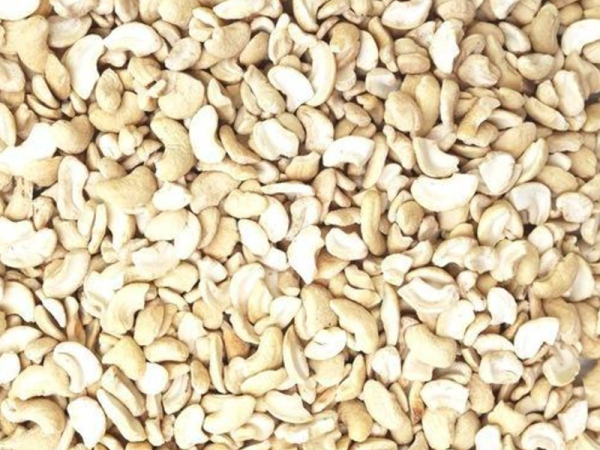
Sustainable cashew farming refers to agricultural practices that focus on environmental protection, economic viability, and social responsibility. The goal is to produce high-quality cashew nuts while minimizing negative impacts on ecosystems and farming communities.
Key principles include:
Soil conservation
Responsible water usage
Reduced chemical inputs
Biodiversity protection
Fair working conditions for farmers
By implementing sustainable farming systems, producers can maintain long-term productivity while preserving natural resources.
Traditional farming practices sometimes lead to soil degradation and excessive pesticide use. Sustainable cashew farming promotes:
Organic fertilizers
Crop rotation
Natural pest control
These methods improve soil health and reduce environmental pollution.
Cashew trees are relatively drought-resistant, making them suitable for regions affected by climate change. Sustainable practices such as agroforestry and improved irrigation help farms adapt to changing weather patterns.
Sustainable production ensures fair wages, better working conditions, and long-term income stability for farming communities.
Organizations like Fairtrade International and Rainforest Alliance support certification programs that promote ethical and sustainable cashew production.
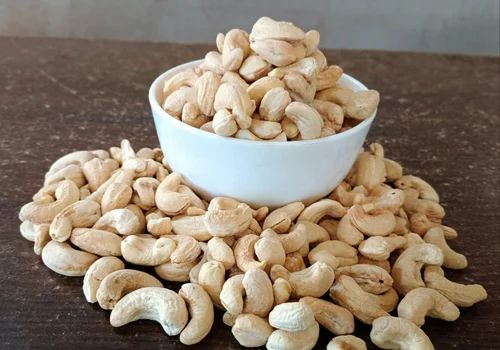
Many sustainable cashew farms use compost, manure, and organic matter instead of chemical fertilizers. Organic fertilization improves soil fertility and promotes beneficial microorganisms.
Instead of relying heavily on pesticides, farmers use natural pest control methods such as:
Biological predators
Neem-based sprays
Crop diversity
This reduces chemical residues and protects surrounding ecosystems.
Efficient irrigation systems help reduce water waste while ensuring healthy tree growth. Techniques include:
Drip irrigation
Rainwater harvesting
Mulching
These practices help conserve water resources in cashew-growing regions.
Sustainability does not stop at the farm level. The processing stage is equally important.
Modern cashew processing facilities focus on:
Energy-efficient roasting systems
Waste reduction
Safe shell oil handling
Cashew shells can also be reused to produce cashew nut shell liquid (CNSL), a valuable industrial by-product used in coatings, lubricants, and resins.
Almost every part of the cashew fruit can be used:
Cashew kernels for food products
Cashew apples for juice and fermented beverages
Shells for biofuel or industrial chemicals
This circular production model reduces waste and increases overall sustainability.
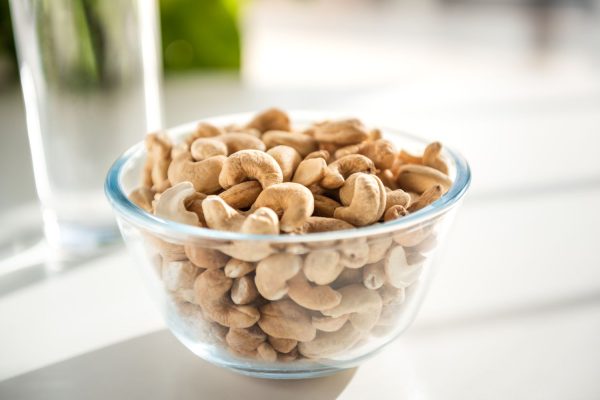
Vietnam is currently one of the largest exporters of processed cashew kernels in the world. The country has invested heavily in modern processing technology and sustainable agricultural initiatives.
The Vietnam Cashew Association actively promotes sustainable farming, improved productivity, and international quality standards to strengthen Vietnam’s position in the global cashew market.
Vietnamese producers are increasingly adopting:
Organic farming methods
Traceability systems
Sustainable supply chains
These efforts help meet the growing demand from international buyers who prioritize environmentally responsible products.
Adopting sustainable cashew farming practices offers numerous advantages:
Reduced soil degradation
Improved biodiversity
Lower chemical pollution
Higher product value in international markets
Stable long-term yields
Access to sustainability certifications
Better farmer income
Safer working conditions
Stronger rural communities
The future of cashew production is closely linked to sustainability. Several trends are shaping the industry:
Increased demand for organic cashew nuts
Greater supply chain transparency
Adoption of precision agriculture technologies
Expansion of sustainable certifications
Consumers and global food companies are increasingly prioritizing responsibly sourced products, pushing producers to adopt greener practices.
Sustainable cashew nuts farming and production are essential for ensuring the long-term success of the cashew industry. By combining environmentally friendly farming techniques, ethical labor practices, and efficient processing systems, producers can meet growing global demand while protecting natural resources.
As leading cashew-producing countries continue to adopt sustainable practices, the future of the cashew industry looks both profitable and environmentally responsible.