Cashew nuts are one of the most popular and nutritious tree nuts in the world. Known for their creamy texture and slightly sweet taste, they are widely consumed as snacks and used in many culinary applications. Scientifically known as Anacardium occidentale, cashews are native to Brazil but are now widely cultivated in tropical regions, especially in Vietnam, India, and Ivory Coast.
Beyond their delicious flavor, cashews are valued for their rich protein content and impressive nutritional profile, making them an excellent choice for a healthy diet. In this article, we will explain the protein content, nutritional value, and health benefits of cashew nuts.
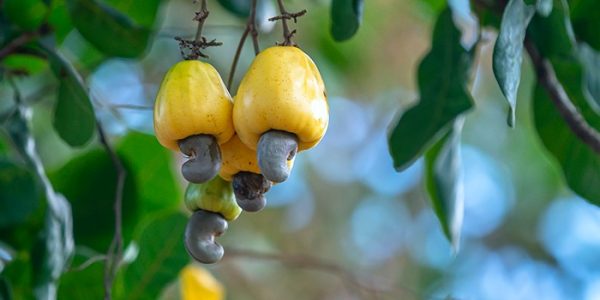
Cashew nuts are edible seeds that grow on the bottom of the cashew apple from the tree Anacardium occidentale. They belong to the same plant family as pistachios and mangoes.
Cashews are widely used in:
Snack foods
Plant-based milk and butter
Vegan cheese
Desserts and bakery products
Asian and Indian cuisine
Their combination of healthy fats, protein, vitamins, and minerals makes them a highly nutritious ingredient in both traditional and modern diets.
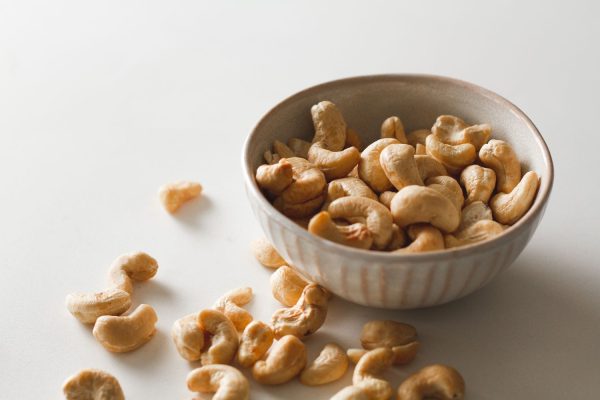
One of the key nutritional benefits of cashew nuts is their plant-based protein content.
In 100 grams of raw cashew nuts, you can find approximately:
Protein: 18 grams
Calories: 553 kcal
Fat: 44 grams
Carbohydrates: 30 grams
Fiber: 3 grams
This makes cashews a good plant-based protein source, especially for vegetarians and vegans.
Protein in cashews helps:
Build and repair body tissues
Support muscle growth
Produce enzymes and hormones
Maintain immune system function
Although cashews do not contain all essential amino acids in optimal ratios, they still contribute significantly to daily protein intake when combined with other plant foods.
Cashews are often considered a nutrient-dense superfood because they provide many essential nutrients.
About 70% of the fat in cashews is unsaturated fat, which is beneficial for heart health.
These fats may help:
Lower bad cholesterol (LDL)
Support cardiovascular health
Reduce inflammation
Cashew nuts contain several important minerals, including:
Magnesium – supports muscle and nerve function
Copper – important for energy production and brain development
Zinc – strengthens immune health
Iron – helps prevent anemia
Phosphorus – supports strong bones and teeth
Cashews are particularly rich in copper, a mineral essential for red blood cell production.
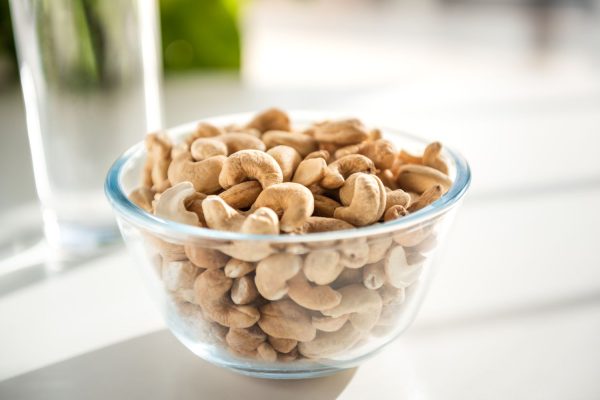
Cashew nuts contain various vitamins that contribute to overall health, such as:
Vitamin E
Vitamin K
Vitamin B6
Folate (Vitamin B9)
These vitamins play roles in energy metabolism, brain health, and immune support.
Due to their strong nutritional composition, cashews offer several health benefits.
The healthy fats and magnesium found in cashews may help regulate blood pressure and improve heart health.
Despite being calorie-dense, studies suggest that moderate nut consumption can help improve satiety and reduce overeating.
Cashews contain magnesium, healthy fats, and antioxidants that support cognitive function and brain health.
The combination of magnesium, phosphorus, and calcium contributes to strong bones and teeth.
Cashews are especially popular in vegetarian and vegan diets because they provide:
Plant-based protein
Healthy fats
Important minerals
They are often used to produce:
Cashew milk
Cashew butter
Vegan cheese
Dairy-free sauces
Their creamy texture makes them an excellent substitute for dairy products.
Today, Vietnam is the world’s leading exporter of processed cashew kernels, supplying large volumes to markets such as:
The United States
Europe
China
The Middle East
Vietnamese cashews are highly valued for their quality, flavor, and strict processing standards.
To get the most nutritional benefits from cashews:
Choose raw or lightly roasted cashews
Avoid heavily salted varieties
Consume in moderation (about 28–30 grams per day)
Store in airtight containers to maintain freshness
Adding cashews to salads, smoothies, oatmeal, or stir-fry dishes is an easy way to increase daily nutrient intake.
cashew nuts nutrition, cashew nuts protein content, nutritional value of cashew nuts, health benefits of cashews, cashew nuts protein per 100g, plant-based protein cashews, Vietnam cashew exporter