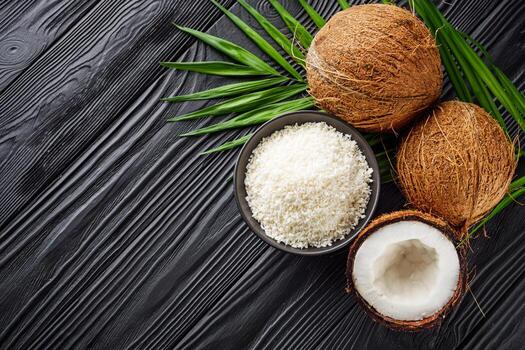
Desiccated coconut is one of the most widely used coconut products in the global food industry. Made from fresh coconut meat that is shredded and carefully dried, it offers a rich coconut flavor, long shelf life, and versatile applications. For food manufacturers, distributors, and importers, finding the best desiccated coconut supplier for wholesale and export is essential to ensure consistent quality and reliable supply.
In this article, we will explore the benefits of desiccated coconut, its common applications, and the key factors to consider when choosing a trusted supplier.

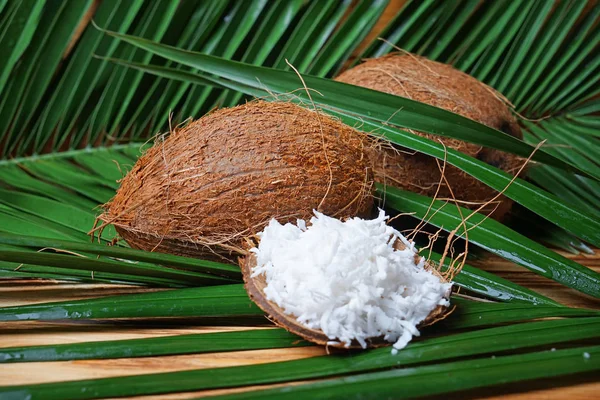
Desiccated coconut is produced by removing the moisture from fresh coconut meat while preserving its natural aroma and nutrients. The coconut meat is grated or shredded and then dried under controlled conditions to achieve a moisture content of around 3%.
Depending on the processing method, desiccated coconut is available in several grades, including:
Because of its long shelf life and convenience, desiccated coconut has become a key ingredient for many food manufacturers worldwide.
The demand for desiccated coconut continues to grow due to its wide range of applications across the food industry.
Desiccated coconut is widely used in cakes, cookies, pastries, and chocolate bars. It enhances both flavor and texture, making it a favorite ingredient in desserts and sweets.
Many cereal brands add desiccated coconut to improve taste and provide natural coconut aroma. It is also commonly used in granola, energy bars, and snack mixes.
Ice cream manufacturers often use desiccated coconut as a topping or ingredient to create tropical flavor variations.
Desiccated coconut is popular in Asian, Middle Eastern, and Caribbean cuisines. It is used in curries, sauces, desserts, and savory dishes.
For wholesalers and importers, working with a reliable supplier ensures product consistency, competitive pricing, and stable supply chains.
A reputable desiccated coconut supplier follows strict quality control during processing. High-quality products are usually produced under international standards such as HACCP, ISO, or FDA compliance.
Food safety is a critical factor in global trade. Trusted suppliers use modern processing facilities to maintain hygiene and prevent contamination.
Wholesale buyers often require large quantities. A professional supplier must have the capacity to handle bulk orders while maintaining product quality.
Working directly with a manufacturer or exporter helps businesses obtain better prices, making it easier to stay competitive in the market.
Vietnam has become one of the leading exporters of coconut products in recent years. With abundant coconut plantations and advanced processing technology, Vietnamese manufacturers supply high-quality desiccated coconut to markets in Asia, Europe, the Middle East, and North America.
Some advantages of sourcing desiccated coconut from Vietnam include:
These factors make Vietnam a strong partner for businesses looking for a dependable desiccated coconut supplier.
Before selecting a supplier, buyers should evaluate several key factors:
A supplier that meets these criteria can provide long-term value and stable cooperation.
Choosing the best desiccated coconut supplier for wholesale and export is essential for businesses in the global food industry. High-quality desiccated coconut enhances food products, improves flavor, and ensures consistency in manufacturing.
By partnering with a reliable supplier—especially from strong coconut-producing countries like Vietnam—importers and wholesalers can secure stable supply, competitive pricing, and premium quality products for their markets.
Desiccated coconut supplier, coconut processing factory, dried coconut products, coconut ingredient supplie, coconut food ingredien, coconut export compan, natural coconut ingredient