Cashew nuts are one of the most valuable agricultural exports from Vietnam. Known for their rich flavor, creamy texture, and high nutritional value, premium cashew nuts for export are in strong demand worldwide. To meet international market requirements, exporters must follow strict standards in processing, packaging, and quality control. This article explores how high-quality cashew nuts are prepared for global markets.
Cashew nuts are widely appreciated for both their taste and health benefits. They are rich in healthy fats, plant-based protein, vitamins, and essential minerals such as magnesium, iron, and zinc.
In addition to their nutritional value, cashews are incredibly versatile. They are used in many industries, including:
Because of this growing global demand, maintaining consistent quality standards for export cashew nuts is essential.
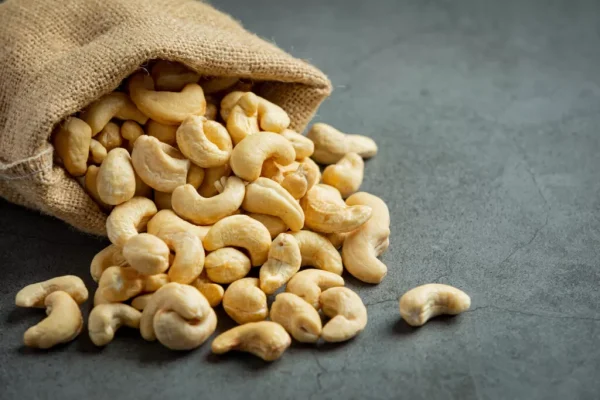
The production of premium cashew nuts involves several carefully controlled steps to ensure safety, flavor, and appearance.
High-quality cashew nuts begin with selecting mature cashew apples and properly developed kernels. After harvesting, raw cashew nuts are collected and dried to reduce moisture content, which helps preserve freshness during processing.
Raw cashew nuts are steamed or roasted to soften the shells. This process makes it easier to remove the shell without damaging the kernel inside. Mechanical or manual shelling methods are used depending on the facility and production scale.
After shelling, the thin skin covering the kernel is removed through a peeling process. The cashew kernels are then sorted and graded based on size, color, and shape.
Common export grades include:
Among these, W320 cashew nuts are one of the most popular grades in international markets due to their balance of size and affordability.
Depending on the final product requirements, cashew kernels may be roasted, salted, or kept raw. Before packaging, strict inspections are conducted to ensure the kernels are free from defects, contaminants, and excessive moisture.
Proper packaging plays a crucial role in maintaining the freshness and quality of cashew nuts during transportation.
Most exporters use vacuum-sealed tins or multi-layer packaging bags to protect the kernels from moisture, oxygen, and pests.
Common packaging options include:
These packaging methods help preserve the natural flavor and prevent oxidation during long-distance shipping.

To access global markets such as the United States, Europe, and the Middle East, cashew exporters must comply with strict food safety regulations.
Important standards include:
Export-quality cashew nuts must also meet specifications related to:
Consistent quality control ensures that buyers receive safe, premium-grade products.
Vietnam is the world’s largest exporter of cashew kernels. With modern processing facilities, skilled labor, and strict quality management systems, Vietnamese suppliers are able to deliver premium cashew nuts for export to more than 90 countries.
Buyers around the world trust Vietnamese cashews for their consistent quality, competitive pricing, and reliable supply.
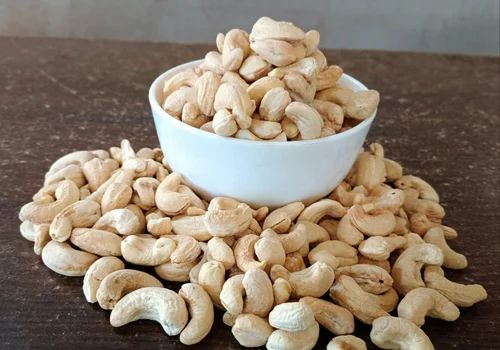
Premium cashew nuts reach international markets through a carefully controlled process that includes raw material selection, advanced processing techniques, hygienic packaging, and strict quality standards. By following these procedures, exporters ensure that customers receive high-quality cashew kernels with excellent taste, safety, and nutritional value.
As global demand for healthy snacks continues to rise, premium cashew nuts for export will remain an important product in international agricultural trade.
Cashew nuts exporter, Vietnam cashew nuts, Cashew nuts Vietnam, Vietnam cashew exporter, Cashew kernels, Premium cashew nuts, Vietnam cashew supplier, Cashew nuts wholesale,Cashew nuts export