Matcha tea powder is prized for its vibrant green color, rich umami flavor, and impressive nutritional profile. Unlike regular green tea leaves, matcha is made by grinding whole shade-grown tea leaves into a fine powder, meaning you consume the entire leaf. This also makes matcha more sensitive to environmental factors such as air, light, moisture, and heat.
Whether you’re a matcha enthusiast or a business purchasing bulk matcha tea powder, knowing how to store it properly is essential. Proper storage helps preserve its color, aroma, antioxidants, and delicate taste while extending its shelf life.
In this guide, you’ll learn the best practices for storing matcha tea powder to maintain maximum freshness.
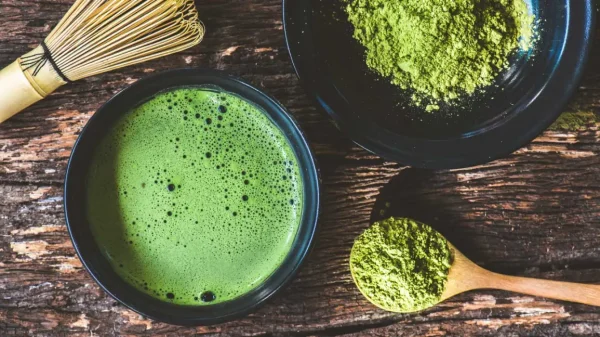
Matcha is highly perishable because it contains natural chlorophyll, amino acids, and antioxidants that can quickly deteriorate when exposed to unfavorable conditions.
Improper storage may result in:
Fresh matcha should have:
Once opened, oxygen begins oxidizing the delicate compounds inside matcha.
Oxidation causes:
Always seal the package immediately after use.
Sunlight and artificial light gradually destroy chlorophyll.
As chlorophyll breaks down, matcha changes from vibrant green to dull yellow-green.
Store matcha away from direct sunlight.
High temperatures accelerate oxidation.
Avoid storing matcha near:
The ideal storage temperature is below 25°C (77°F).
Matcha powder absorbs humidity very easily.
Moisture causes:
Never use a wet spoon when scooping matcha.
The container plays a major role in preserving freshness.
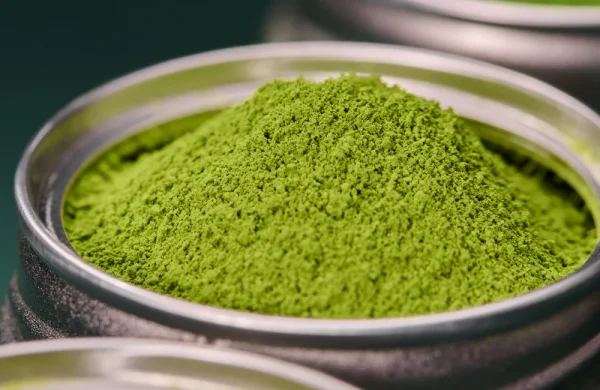
Metal tins are the preferred choice because they:
Most premium Japanese matcha brands package their products in airtight tins for this reason.
Dark amber or opaque glass jars are also excellent options.
Benefits include:
Bulk suppliers often package matcha in aluminum foil vacuum bags.
Advantages include:
Yes—but only if done correctly.
Refrigeration is recommended for unopened matcha or if you live in a hot, humid climate.
Place the package inside an additional airtight zip bag to prevent condensation and odor absorption.
Allow refrigerated matcha to reach room temperature before opening.
Opening a cold package immediately causes moisture to condense on the powder.
Freezing is generally unnecessary unless storing matcha for several months.
If freezing:
Frequent temperature changes can damage quality.
Properly stored unopened matcha usually remains fresh for:
6–12 months
Always check the manufacturer’s expiration date.
For the best taste and nutrition, consume within:
30–60 days after opening
While it may remain safe longer, flavor and aroma gradually decline.
To enjoy the freshest matcha every day:
✔ Keep the lid tightly closed.
✔ Use a clean, dry spoon.
✔ Store in a cool, dark place.
✔ Avoid frequent exposure to air.
✔ Do not leave the container open while preparing drinks.
Small habits significantly extend freshness.
Fresh matcha has a vivid appearance and pleasant aroma.
Replace your matcha if you notice:
These indicate oxidation or moisture damage.
Businesses purchasing wholesale matcha should follow stricter storage practices.
Recommendations include:
These practices help maintain product quality throughout distribution.
Avoid these common errors:
Even premium ceremonial-grade matcha can lose quality if stored improperly.
Yes. Although matcha may remain safe after its expiration date, its flavor, aroma, color, and nutritional value gradually decline.
Yes, if the room is cool, dry, and away from sunlight.
For tropical climates, refrigeration offers better preservation.
Brown or yellowish matcha usually indicates oxidation caused by air, heat, or light exposure.
If the original package is an airtight aluminum pouch, it is suitable for storage.
Otherwise, transfer it to an airtight opaque container.
Yes.
Exposure to oxygen and heat gradually reduces catechins, chlorophyll, vitamin C, and other beneficial compounds.
Proper storage slows this process.
Proper storage is the key to enjoying premium-quality matcha tea powder. By protecting matcha from oxygen, moisture, heat, and light, you can preserve its vibrant green color, fresh aroma, rich umami flavor, and valuable nutrients.
Whether you’re a daily tea drinker, café owner, or international buyer sourcing bulk matcha tea powder, investing in proper storage methods ensures every cup delivers the authentic matcha experience.
With airtight containers, cool temperatures, and minimal exposure to air, your matcha will stay fresh, delicious, and ready to enjoy for weeks after opening