In a nutshell, great coffee beans share three characteristics:
But preference plays a part, too. I’ve had a $150-per-pound Geisha coffee that tasted like a floral feast. Yes, it was exquisite, but it wasn’t my cup of tea. On the other hand, our Brazilian medium-roast espresso beans have been my daily driver for years!
Coffee has many varieties, some not yet discovered! But two species dominate the world’s coffee markets: Arabica and Robusta.
Arabica or Coffea arabica is my go-to for 90 percent of my home brewing needs. It has a smooth, sweet complexity that coffee aficionados crave. It also boasts unique tasting notes – ranging from chocolaty and nutty to fruity and floral – that derive from a particular terroir.
Arabica varieties typically grow at altitudes of 600–2,200 masl (meters above sea level). Here, cooler temperatures prevail, causing the beans to develop slowly. This gives them complex, nuanced flavors.
Thriving at 200–1,000 masl, Robusta or Coffea robusta often gets a bad rap. However, it does have its place in the industry. In my early barista days, I often dismissed Robusta entirely. Little did I know that I was missing out on beans with bold, earthy flavors and nutty, sometimes bitter undertones.

Well-processed Robusta works beautifully in espresso blends. It adds more body and crema, which Arabica often lacks. Earlier this year, I blind-cupped 20 of the best espresso beans, and the winners? Almost all contained 10-15% high-quality Robusta!
Incidentally, Robusta also contains twice as much caffeine (2.2% caffeine by weight or 16-24 mg/g) as Arabica (1.1% caffeine by weight or 8-12 mg/g).
Single-origin coffee comes from a specific lot, farm or region. Like wine varietals, these beans express the unique characteristics of their terroir.
Sumatra Mandheling, Jamaican Blue Mountain and Hawaiian Kona are perfect examples. These are all region-specific. Plus, these coffees are seasonal, adding to their exclusivity.
But sometimes, you’ll find that a single-origin comes from a specific microlot or farm. One of this year’s Cup of Excellence winners, a Parainema variety from Honduras, is an excellent example. It came from Jennifer Madrid’s Hacienda El Rubi in Santa Barbara, and truly wowed the judges.
In contrast, blends consist of beans from several origins. A master roaster creates these blends to hit specific flavor targets year-round.
My go-to morning blend shines with Brazilian chocolate base notes. It also has an Ethiopian for brightness and some Central American coffee for balance. No single origin could achieve this combo alone.

Roasting affects flavor, tasting notes and mouthfeel more than you think. As beans roast, they change in color and composition. This, in turn, determines the taste of the finished cup.
From my experience roasting for Coffeeness, here’s what happens to your beans, which ultimately determines how to choose coffee that’s best for you:
Light roasts
Light roasts often display a sharp acidity, gentle body and vibrant flavor. During roasting, this stage occurs at 385-410 degrees Fahrenheit (196-210 degrees Celsius), and ends after first crack.
These roasts keep 95 percent of the origin character, making them perfect for pour-over and drip lovers or anyone who enjoys brews with a sparkling brightness.
Use water at 205-210 degrees Fahrenheit (96-98 degrees Celsius) when brewing these coffees. The denser bean structure needs higher temperatures for optimal extraction.
Medium roasts
Medium roasts are popular all round because of their well-balanced flavor profile. They are less acidic than light roasts but less intense than dark roasts.
These beans hit a medium roast level at 410-435 degrees Fahrenheit (210-223 degrees Celsius), between first and second crack.
They’re smooth and mellow, perfect for everything from espresso and pour-over to Chemex and French press. Brewing water at 195-205 degrees Fahrenheit (90-96 degrees Celsius) works well here.
Dark roasts
Dark roasts occur at the 435-455 degree-Fahrenheit (223-235 degree-Celsius) mark, well into second crack. Here, the origin character diminishes and the roast character dominates. Beans with this coffee roast profile have reduced acidity. They are oily on the surface and have a deep, smoky flavor.
A dark roast suits espresso, French press coffee and cold brews. Traditional brew methods like Turkish, Vietnamese, Ethiopian and Yemeni also benefit from dark roasts.
Brew dark roast coffee at a lower temperature of 190-200 degrees Fahrenheit (87-93 degrees Celsius) to prevent over-extraction. Also, pair your brew with lots of cream and milk; it can handle it!
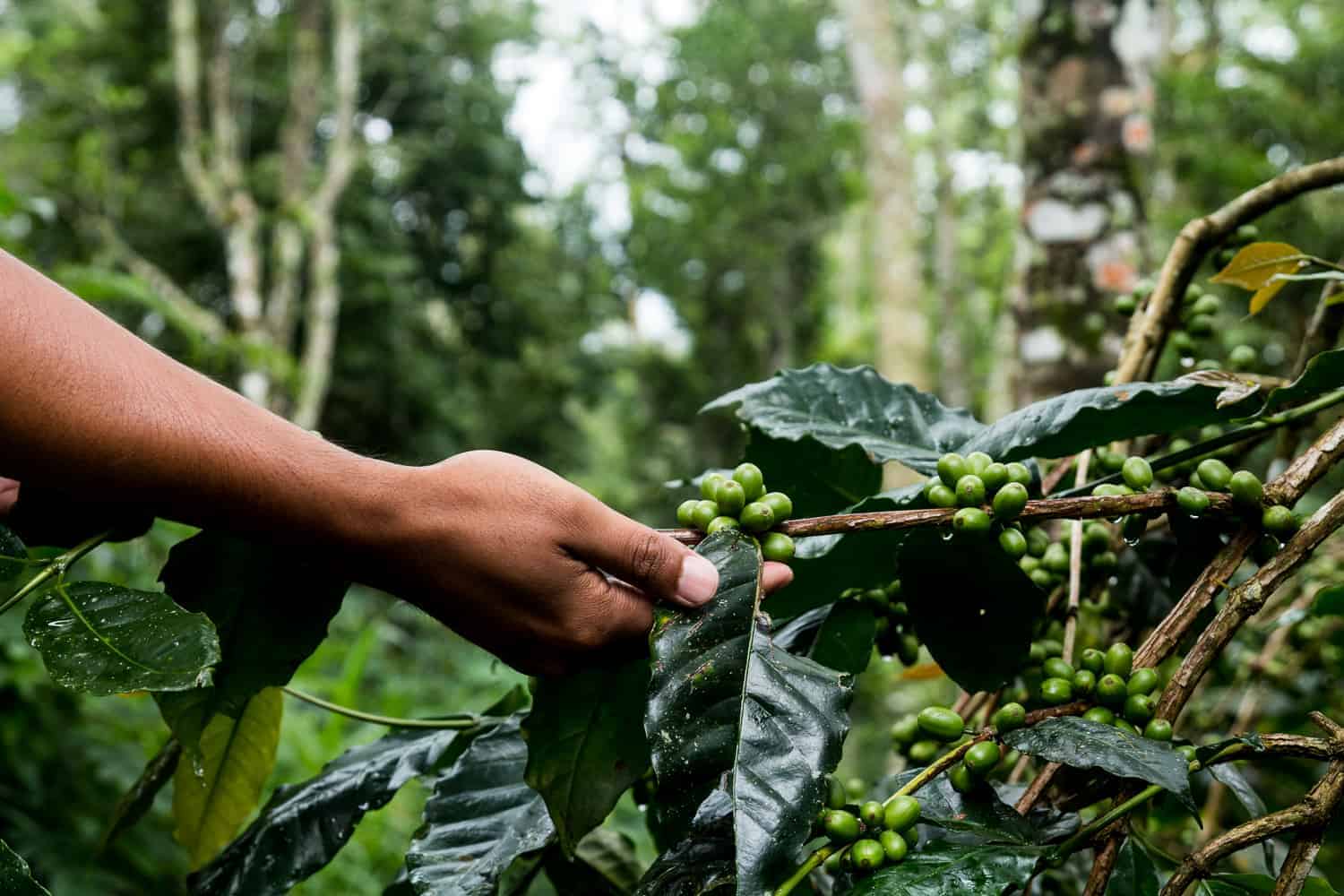
Where your coffee comes from significantly influences its taste. As such, it should be a major consideration when choosing coffee.
East African coffees are bright and lively, with berry or wine-like complexity. Like East African champion long-distance runners, these coffees thrive at high elevations.
I once had a natural-process Ethiopian Sidamo that tasted exactly like strawberry jam, no kidding! Yet these coffees normally show bright acidity. Thus, the processing method also has a significant impact on taste.
South American coffees, particularly Brazilians, form the backbone of espresso blends. In fact, their rich aroma and smooth character inspired me to develop my Signature Espresso Roast, a blend that captures the best of Brazil. Similarly, in my testing, Colombian coffees consistently show very reliable quality. Colombian coffee infrastructure is simply world-class.
In contrast, Central American coffee is all about balance. In fact, my “gateway coffees” for converting tea drinkers are Guatemala Antigua and Costa Rican Tarrazú. They’re clean and have just the right amount of acidity.
Lastly, you have coffees from the Asia-Pacific region, my “wild cards.” Indonesian coffees, such as Sumatra Mandheling, are sweet, earthy and herbal. Similarly, Indian Monsoon Malabar is funky, spicy and smoky. Although exquisite, these coffees may not be to everyone’s taste.
When choosing coffee, get beans that are in season to guarantee the best quality. Here’s a short guide:
After years of testing and countless brewing mistakes, I’ve distilled how to choose coffee beans down to seven essential factors. These aren’t abstract concepts. Instead, they’re practical considerations that will immediately improve your home brewing experience.
Whether you’re shopping at the grocery store or your local roastery, keep these tips in mind to make the best selections.
The altitude at which your coffee grew helps determine its flavor profile.

As I mentioned earlier, your coffee’s processing method dramatically affects its taste.
Natural-processed coffees are sweeter, heavy-bodied and lower in acidity. In contrast, washed coffees are cleaner and brighter with a refined acidity.
Meanwhile, semi-washed or wet-hulled beans are rich and earthy with a mellow acidity. This is typical of Sumatran coffees.
Finally, honey-processed coffee is sweeter and more complex. Oh, and the type of honey processing matters, too.
Black honey (with most of the mucilage) yields a “richer, funkier” taste. Red honey (some mucilage) results in coffee with a syrupy body. And yellow honey (minimal mucilage), yields milder, fruitier coffee beans.
In recent years, fermented coffee has also come up the charts. Producers experiment with inoculants, anaerobic tanks and fermentation times to yield complex brews. These may cost more but have unique notes worth paying for.

After cupping thousands of coffees, I’ve developed what I call my “Coffee Framework” to help you choose coffee. Every brew I test gets scored across four main criteria, guided by SCA cupping protocols:
According to the SCA, any coffee scoring 80 points and above using this protocol is specialty coffee.
However, I’ve gone a step further. I’ve developed a proprietary scoring system that goes beyond SCA cupping. Here, I score my coffees using variables, each on a scale of 1-10:
Unfortunately, adverse water chemistry affects the flavor of your finished cup.
The SCA has specific water standards for cupping, which act as a useful guide to ensure you brew top-tier coffee. These are:

While water chemistry may seem like mere theory, it does affect coffee quality in real life. I once couldn’t figure out why my expensive Guatemalan coffee tasted flat. After measuring the TDS range of my water, it turned out to be 450 ppm, which was way too high. After switching to filtered water at 180 ppm, the same coffee exploded with floral notes!
You’ve probably heard the saying, “Different strokes for different folks.” The same goes for coffee! Different coffees match different grinds and brewing methods.
If you use the wrong grind size with your coffee machine, you’ll get acidic, sour, under-extracted coffee or bitter, over-extracted coffee. Believe me; you won’t like it!
Therefore, understanding the best grind setting for your brewer will help you extract the best flavors.
Fine settings do well with espresso machines and moka pots, while medium settings suit pour-over, siphon and drip brewers. On the other hand, coarse settings are best for French presses and cold brew makers.
Your brewing equipment should also guide you when choosing coffee. Why? Because your beans must match your brewing style for optimal flavor extraction.
After testing hundreds of combinations, here’s what works best for me:
Espresso (9-bar pressure, 25-30 second extraction)

After 10 years reviewing super automatics and espresso machines, and over 15 years reviewing coffee beans, we’re proud to offer our own Coffeeness Espresso Blend. Comprising ethically farmed and sourced coffee beans, our Espresso Blend is expertly roasted in small batches to guarantee freshness.
This premium blend of direct trade Brazilian coffee beans produces rich, bold and complex espresso that’s ideal straight or paired with milk. Featuring notes of chocolate and hazelnut, our Espresso Blend is particularly low in acidity, making it easy on the stomach.
Make sure to check out our super automatic espresso machine reviews to find my recommended settings for our Coffeeness espresso beans.
It’s no longer enough that coffee tastes good. Nowadays, consumers demand that producers and roasters explain their “coffee story.” When choosing coffee, ask your roaster the following:
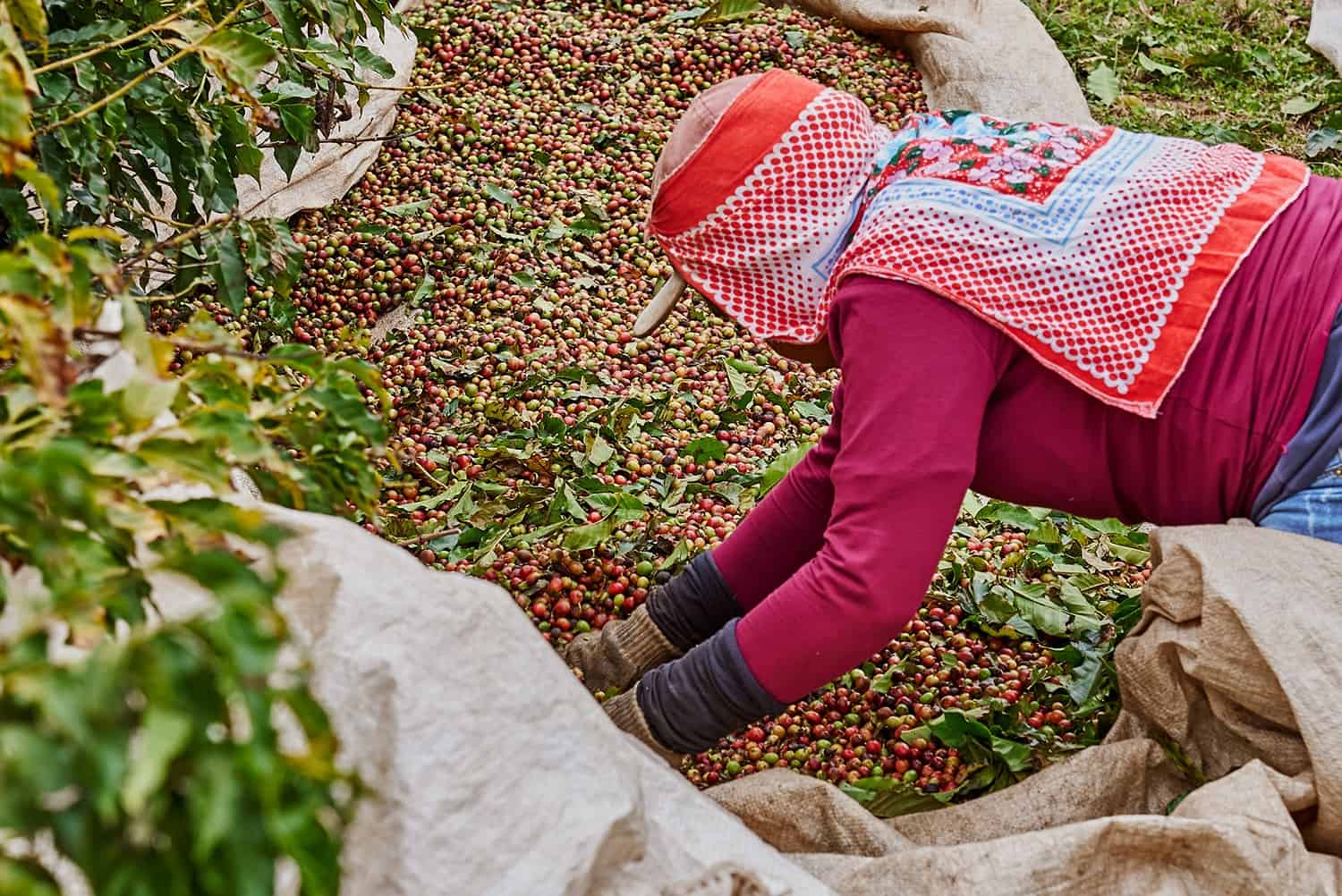
Another critical question for coffee lovers is whether the production methods harmed animals. To think of farmed Kopi Luwak and its horrible effects on civet cats makes my blood boil! Avoid these unethical coffee beans at all costs.
Lastly, there are certifications. After visiting over 30 coffee farms in Africa and South America, I’ve learned that great coffee and ethical practices go hand-in-hand. Here are some certs to look for:
Despite the industry’s emphasis on quality, bad coffee does exist. So, how do you choose coffee based on quality to avoid it?
Here are some instant deal-breakers:
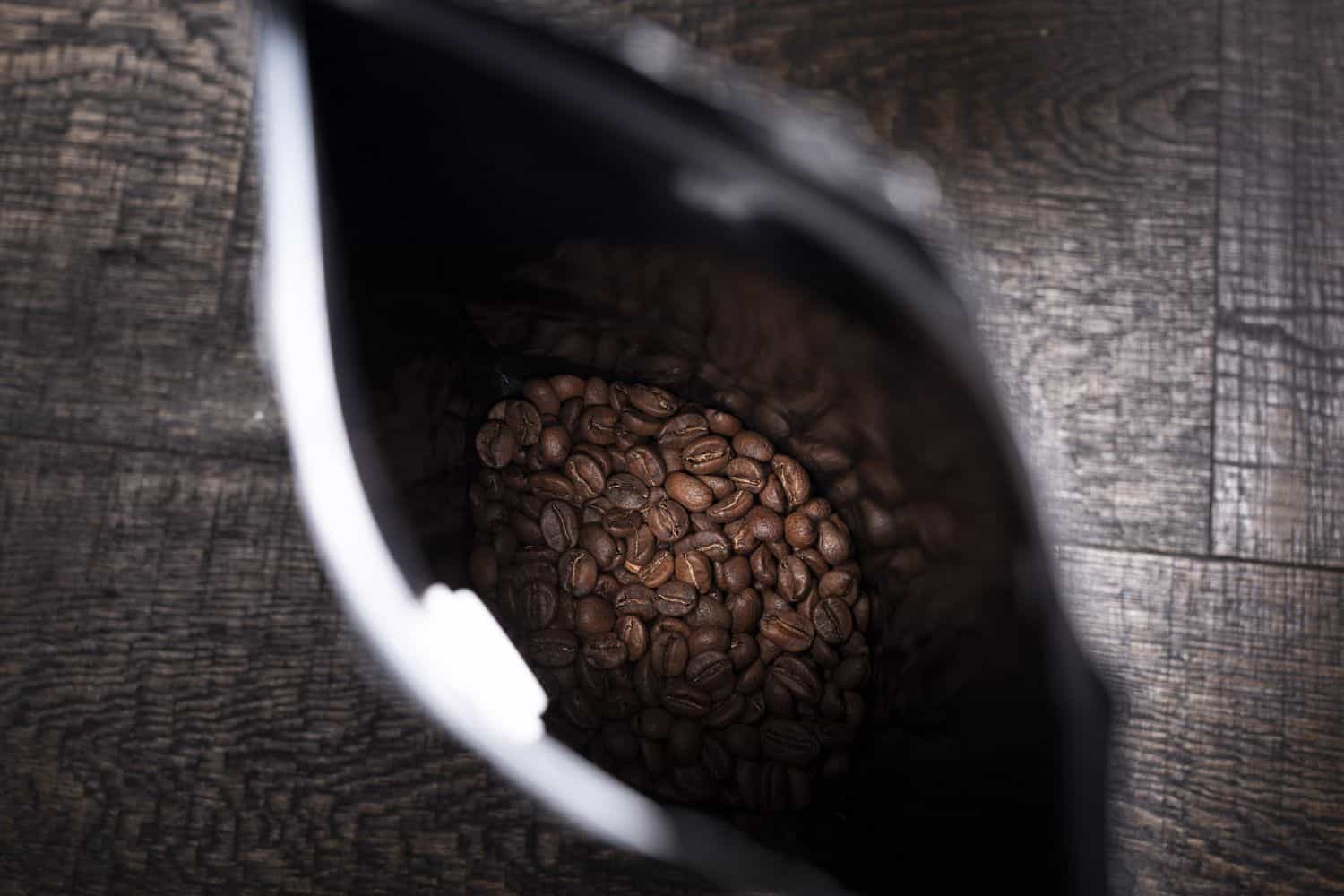
Packaging matters. Go for hermetically-sealed bags that preserve the flavor, freshness and aroma of your beans.
Also, avoid valveless bags, as CO2 buildup can ruin your coffee’s flavor. Clear bags or glass jars are also a no-no, as light destroys coffee faster than anything.
Common ones to look for include:
After over 20 years sourcing, tasting, roasting and selling beans, I’ve learned that choosing coffee is deeply personal. But what excites me might not thrill you, and that’s perfectly okay.
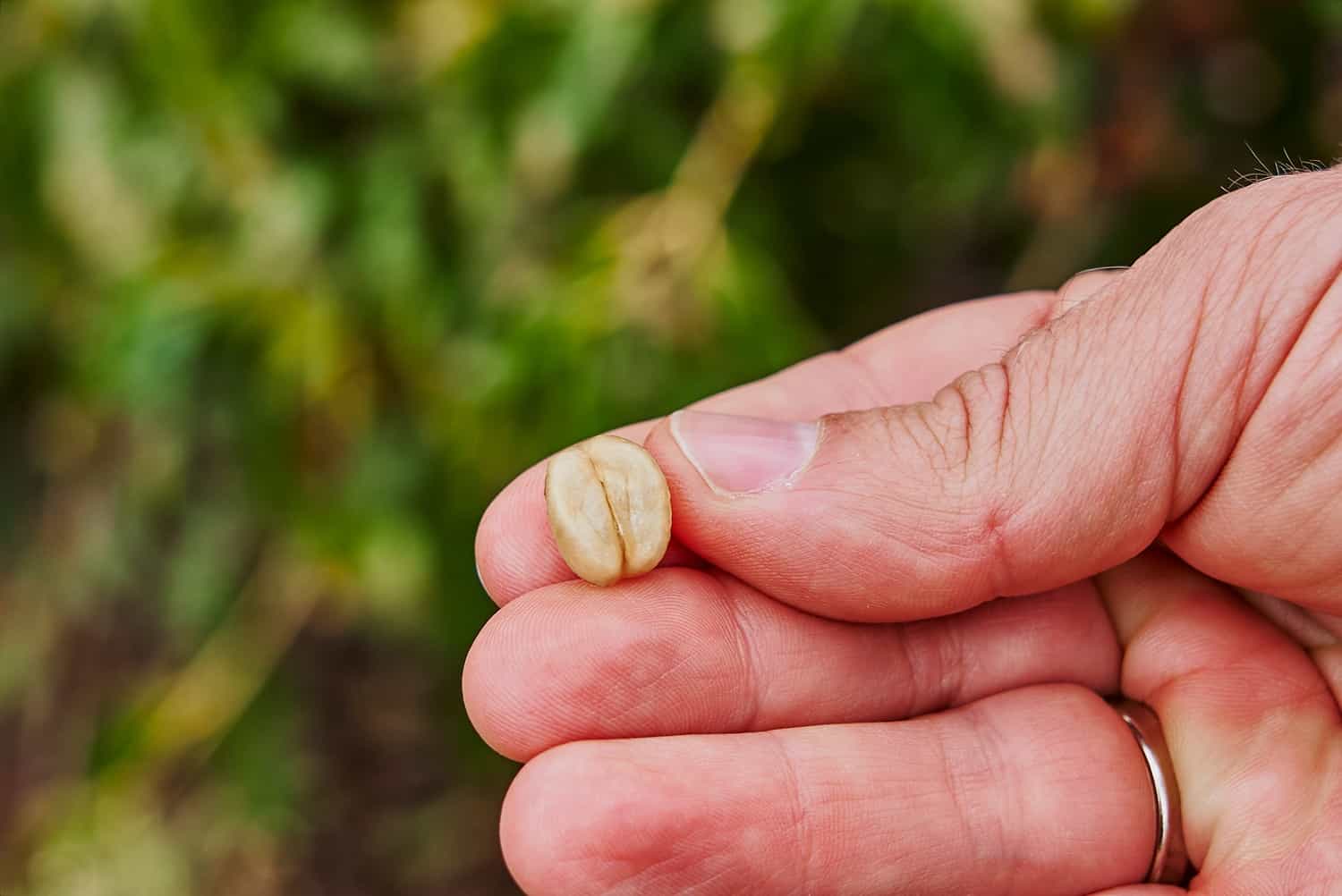
So, how should you choose coffee beans that are right for you?
Start with one high-quality coffee from a reputable local roaster. Then, learn how it behaves with your brewing equipment. After that, gradually expand your palate by trying different origins, processing methods and roast levels.
What are coffee beans, Types of coffee beans, Coffee bean origins, Uses of coffee beans, Arabica vs Robusta, Robusta beans, Arabica beans