Tapioca starch is a key ingredient widely used in food processing, pharmaceuticals, paper manufacturing, textiles, and adhesives. However, not all tapioca starch is created equal. Choosing low-quality starch can lead to inconsistent product performance, higher production costs, and regulatory risks.
In this guide, you’ll learn how to identify high-quality tapioca starch and select a reliable supplier that supports long-term business success.
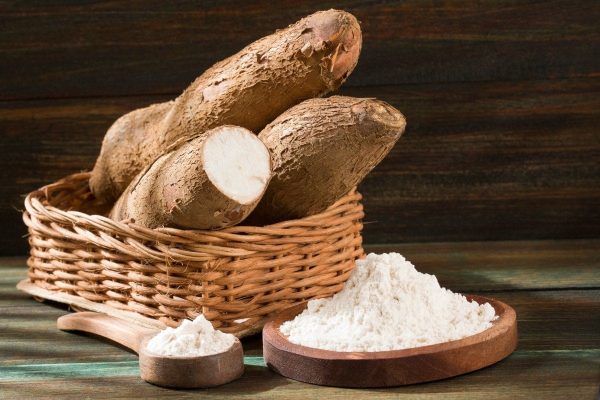
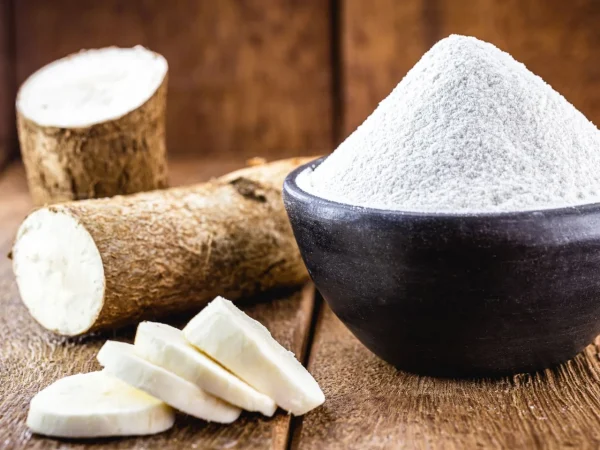
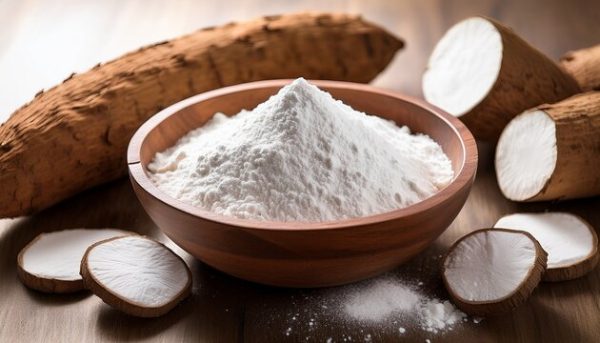
Tapioca starch is extracted from the cassava root (Manihot esculenta). It is prized for its neutral taste, high purity, excellent thickening ability, and gluten-free nature, making it ideal for both food and industrial applications.
High-quality tapioca starch ensures:
Consistent viscosity and texture
Stable performance in processing
Longer shelf life of finished products
Compliance with international food safety standards
Reduced waste and production downtime
For businesses, quality directly impacts brand reputation and profitability.
Premium tapioca starch should have:
High starch content (typically ≥ 85%)
Bright white appearance
No foreign odor or visible impurities
Low purity starch may affect taste, color, and consistency in final products.
Ideal moisture content should be below 13%.
High moisture → risk of mold growth
Low moisture → longer shelf life and easier storage
Always request a Certificate of Analysis (COA) from the supplier.
Depending on your application, starch should offer:
Strong thickening ability
Stable viscosity during heating and cooling
Clear gel formation (especially for food use)
This is critical for noodles, sauces, snacks, and confectionery.
High-quality tapioca starch must be:
Completely tasteless
Odor-free
Any sour or fermented smell indicates poor processing or storage.
Uniform particle size ensures:
Smooth blending
Even hydration
Consistent production results
This is particularly important for automated manufacturing lines.

A reliable tapioca starch supplier should meet international standards such as:
ISO 22000 / HACCP
FDA compliance (for US market)
Halal & Kosher certifications
Non-GMO certification (if required)
These certifications ensure product safety and export readiness.
When sourcing tapioca starch for your business, evaluate suppliers based on:
Proven export experience
Stable production capacity
Transparent documentation
Custom specifications (food grade, industrial grade)
Consistent packaging & logistics support
Vietnam and Thailand are currently among the top global exporters of high-quality tapioca starch due to abundant cassava resources and modern processing facilities.
Choosing the lowest price without testing quality
Ignoring moisture and viscosity specifications
Working with suppliers lacking export certifications
Skipping sample testing before bulk orders
A small quality check upfront can save significant costs later.
Knowing how to choose high-quality tapioca starch for your business helps ensure product consistency, regulatory compliance, and long-term growth. Focus on purity, performance, certifications, and supplier reliability rather than price alone.
If you’re sourcing tapioca starch for food or industrial applications, always request samples, lab reports, and certifications before finalizing your supplier.
high-quality tapioca starch, tapioca starch for business, tapioca starch supplier, food grade tapioca starch, industrial tapioca starch, tapioca starch quality standards, tapioca starch specifications