Choosing a reputable cashew nuts supplier is a critical decision for importers, wholesalers, food manufacturers, and retailers. High-quality cashews not only impact product taste and safety but also influence brand reputation, customer trust, and long-term profitability.
In this guide, we’ll show you how to evaluate and select a reliable cashew nuts supplier, avoid common sourcing risks, and build a sustainable supply partnership.
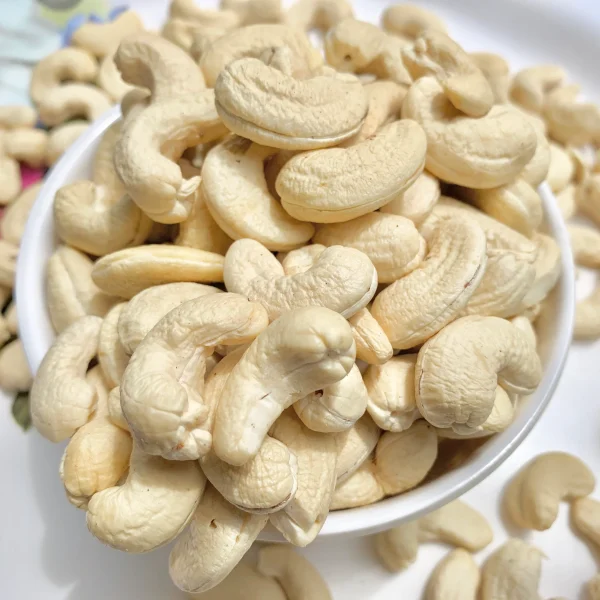
Cashew nuts are a high-value agricultural commodity widely used in snacks, confectionery, plant-based products, and health foods. An unreliable supplier can lead to:
Inconsistent quality and grading
Contamination or food safety issues
Late shipments and supply chain disruptions
Financial losses and damaged brand credibility
That’s why working with a trusted cashew nuts supplier is essential for long-term success.

A reputable cashew nuts supplier must clearly specify cashew grades and standards, such as:
W180, W210, W240, W320, W450
Broken grades: SW, LP, SP
Moisture level (typically ≤5%)
Color, size uniformity, and defect tolerance
Consistent grading across shipments
Clean, well-processed kernels with minimal defects
Compliance with international standards (AFI, ISO, Codex)
Tip: Always request samples before placing bulk orders.

Reliable cashew nuts suppliers comply with food safety and export regulations. Look for certifications such as:
HACCP
ISO 22000 / ISO 9001
BRC / FSSC 22000
Organic, Fair Trade (if required)
For export markets, suppliers should also provide:
Phytosanitary Certificate
Certificate of Origin
Health Certificate
These documents ensure your cashews meet import regulations in the US, EU, Middle East, and Asia.
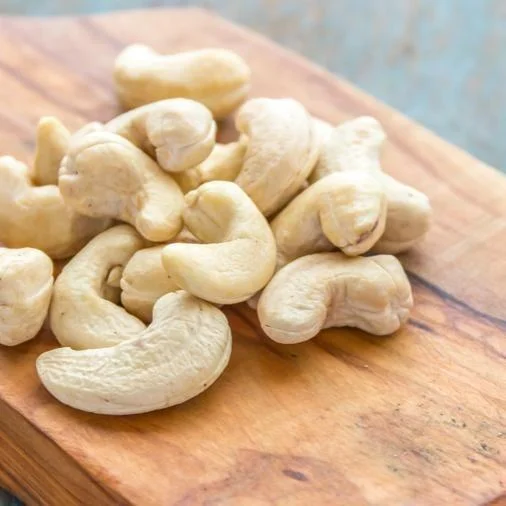
Top cashew-exporting countries include Vietnam, India, Ivory Coast, and Brazil. A reputable supplier should be transparent about:
Raw cashew sourcing
Processing facilities and capacity
Quality control procedures
Suppliers with in-house processing factories usually offer:
Better quality control
Stable supply
More competitive pricing

Experience matters when sourcing agricultural products. A trustworthy cashew nuts supplier typically has:
5+ years of export experience
Long-term clients in multiple markets
Clear company profile and export history
Company website and product catalog
Online trade platforms (Alibaba, Globalsources)
Customer reviews or references
A professional supplier is transparent, responsive, and consistent.
While price is important, the lowest price often carries hidden risks, such as poor quality or shipment delays.
When comparing cashew nuts suppliers, consider:
Price vs. grade and quality
Packaging and labeling costs
Incoterms (FOB, CIF, DDP)
Payment terms (T/T, L/C)
A reputable supplier offers fair, market-based pricing with no unrealistic promises.
Professional cashew nuts suppliers offer flexible packaging options, including:
Vacuum bags (10kg, 25lbs)
Tin containers
Retail packaging with private labels
Good packaging ensures:
Longer shelf life
Protection during transport
Compliance with import regulations
Strong communication is a sign of a reliable supplier. Before placing an order, evaluate:
Response speed and professionalism
Ability to answer technical questions
Willingness to provide samples and documents
A reputable cashew nuts supplier acts as a long-term partner, not just a seller.
Before committing to large volumes, place a trial order to assess:
Actual product quality
Packaging and labeling accuracy
Delivery time and logistics handling
This step minimizes risk and builds trust.
Choosing a reputable cashew nuts supplier requires careful evaluation of quality, certifications, experience, pricing, and communication. By following these steps, you can secure a reliable supply chain, protect your brand, and ensure consistent product quality for your customers.
A trusted supplier is not just a vendor—it’s a strategic partner for sustainable growth.
reputable cashew nuts supplier I cashew nuts supplier I wholesale cashew nuts I cashew nuts manufacturer