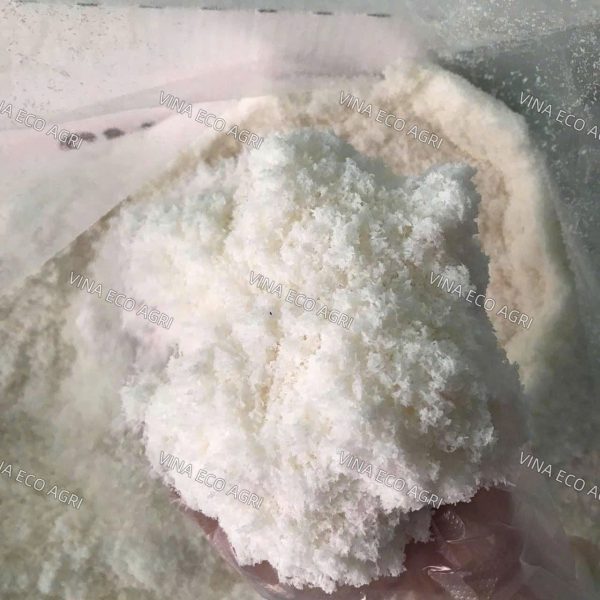
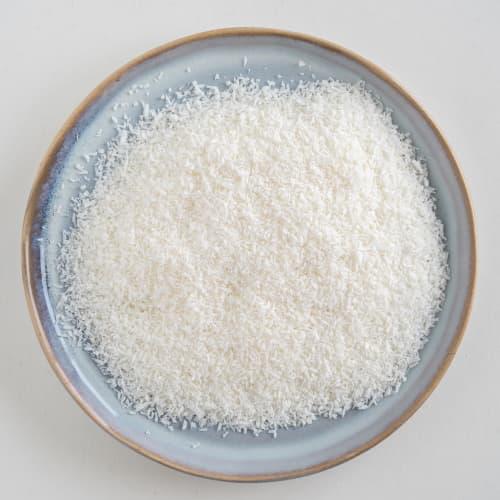
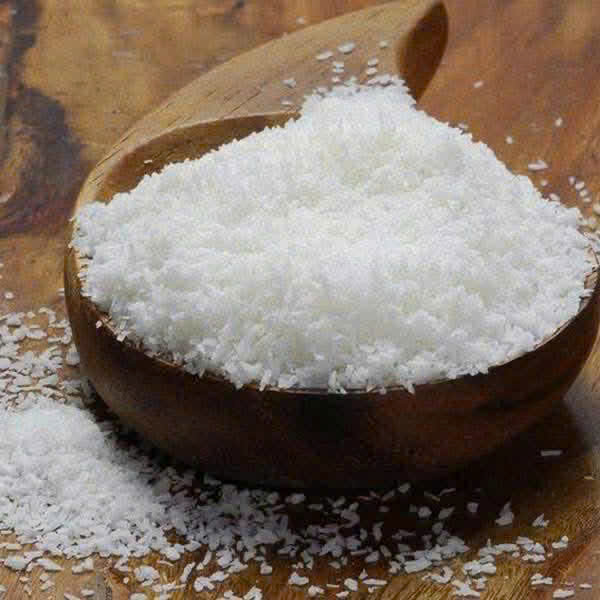
As consumer demand for natural, healthy, and innovative food products continues to grow, manufacturers are constantly seeking versatile ingredients that can enhance both product quality and consumer appeal. One ingredient that has gained significant popularity in recent years is high-quality coconut jelly. Known for its unique texture, refreshing taste, and wide range of applications, coconut jelly has become an essential ingredient in the food and beverage industry worldwide.
Whether used in beverages, desserts, dairy products, bakery fillings, or frozen treats, coconut jelly offers exceptional functionality while meeting consumer preferences for natural and plant-based ingredients.

Coconut jelly, also known as nata de coco, is a chewy, translucent, jelly-like food product produced through the fermentation of coconut water. During the fermentation process, beneficial bacteria convert natural sugars into cellulose, creating a firm yet tender texture that is highly valued in various food applications.
High-quality coconut jelly is characterized by:
Its neutral flavor profile makes it easy to incorporate into a wide variety of food and beverage formulations without altering the original taste of the product.
The global food market is witnessing increasing demand for ingredients that are natural, low in fat, and suitable for diverse dietary preferences. Coconut jelly aligns perfectly with these trends.
Several factors driving market growth include:
Modern consumers are becoming more conscious about ingredient labels and product transparency. Coconut jelly is derived from natural coconut water and requires minimal processing, making it an attractive option for clean-label products.
Bubble tea, fruit drinks, yogurt beverages, and specialty beverages frequently use coconut jelly as a topping or inclusion ingredient. Its unique texture enhances the drinking experience and adds visual appeal.
As plant-based diets become more popular, manufacturers are seeking ingredients sourced from renewable and sustainable materials. Coconut jelly offers a vegan-friendly solution suitable for a wide range of food products.
One of the most common applications for coconut jelly is in beverages.
Popular products include:
The chewy texture of coconut jelly creates an enjoyable sensory experience that differentiates products from competitors.

Coconut jelly is widely used in dairy applications due to its excellent compatibility with milk-based products.
Examples include:
The ingredient adds texture variation and enhances overall product appeal.
Dessert manufacturers utilize coconut jelly in various premium products.
Common applications include:
Its translucent appearance and soft chewiness make it visually attractive while providing a pleasant mouthfeel.
Coconut jelly performs exceptionally well in frozen products.
Manufacturers use it in:
The ingredient maintains its texture even after freezing, making it suitable for long-term storage and distribution.
Innovative bakery producers incorporate coconut jelly into:
Its moisture-retaining properties help improve product freshness and eating quality.
Food manufacturers require reliable ingredients that maintain consistency across production runs. High-quality coconut jelly provides standardized texture, color, and flavor characteristics that support efficient manufacturing.
Premium coconut jelly suppliers follow strict quality control procedures, ensuring compliance with international food safety standards such as HACCP, ISO, and other relevant certifications.

Properly processed coconut jelly offers excellent shelf stability, reducing inventory risks and supporting global export operations.
Manufacturers often require customized solutions for specific applications. High-quality coconut jelly can be supplied in various:
This flexibility enables food processors to create products tailored to consumer preferences.
Vietnam has emerged as one of the leading suppliers of coconut-based products worldwide. The country’s favorable climate and abundant coconut-growing regions provide a reliable source of high-quality raw materials.
Benefits of sourcing coconut jelly from Vietnam include:
Vietnamese exporters have established strong partnerships with buyers across Asia, Europe, the Middle East, North America, and other international markets.
When selecting a coconut jelly supplier, food manufacturers should evaluate several critical factors:
The best coconut jelly starts with fresh coconut water sourced from healthy coconuts.
Modern production facilities should implement:
Reliable suppliers typically provide certifications such as:
These certifications facilitate smooth international trade and regulatory compliance.
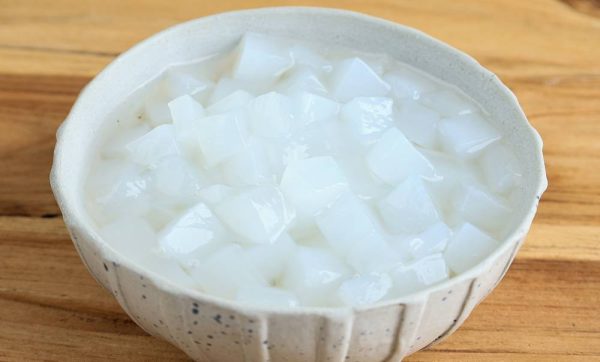
High-quality coconut jelly has become an indispensable ingredient in modern food manufacturing. Its natural origin, appealing texture, versatility, and compatibility with numerous food applications make it a valuable addition to beverages, dairy products, desserts, bakery items, and frozen foods.
As consumer demand for innovative and healthier food products continues to rise, coconut jelly offers manufacturers an effective solution for creating differentiated products that meet evolving market trends. By sourcing premium coconut jelly from experienced suppliers, food companies can ensure consistent quality, food safety, and long-term success in competitive global markets.
For food manufacturers, distributors, and importers seeking reliable ingredients, high-quality coconut jelly represents a profitable and sustainable choice for a wide range of food industry applications.