The global coffee landscape is undergoing a massive transformation. As we enter 2026, exporting coffee is no longer just about shipping beans; it is about transparency, sustainability, and navigating complex digital regulations. Whether you are targeting the European Union, the US, or emerging markets in Asia, staying ahead of the curve is essential.
Here is the definitive 5-step guide to the coffee export process in 2026 to ensure your business stays compliant and profitable.
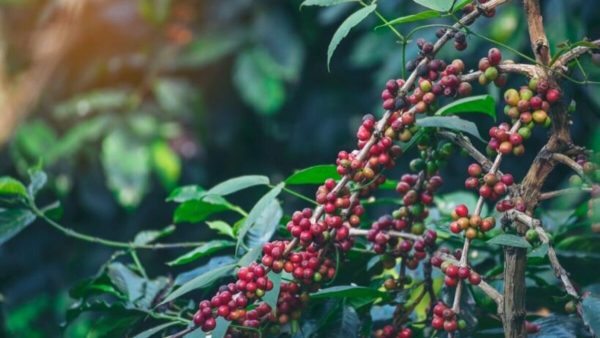
In 2026, quality is the “entry ticket,” but sustainability is the “visa.” Buyers are moving away from generic bulk commodities toward traceable, certified lots.
Physical Quality: Ensure your green coffee beans meet the SCA (Specialty Coffee Association) standards or specific grade requirements (Grade 1 or 2).
Mandatory Sustainability: Compliance with the EUDR (EU Deforestation Regulation) is now a baseline. You must provide geolocation coordinates for every farm plot to prove your coffee did not contribute to deforestation.
Voluntary Certifications: Having 4C, Rainforest Alliance, or Organic certifications will significantly boost your FOB (Free on Board) price and attract premium roasters.
Paperwork has gone digital. In 2026, the “Digital Product Passport” is becoming a reality for agricultural exports.
You must prepare the standard set of documents, now often handled via Blockchain or electronic data interchange (EDI):
Commercial Invoice & Packing List.
Bill of Lading (B/L).
Certificate of Origin (C/O): Crucial for claiming tax incentives under agreements like EVFTA or CPTPP.
Phytosanitary Certificate: To prove the cargo is free from pests and diseases.
Carbon Footprint Report: An emerging requirement for high-end markets looking to meet Net Zero targets.

Coffee is a “living” product that breathes. To maintain quality during long sea voyages—especially with unpredictable shipping schedules—packaging technology is vital.
Hermetic Liners: Using brands like GrainPro or Ecotact inside jute bags is now a standard requirement to prevent moisture ingress and mold.
Vacuum Packing: For specialty micro-lots, vacuum sealing in 5kg-30kg units is preferred to preserve the volatile aromatic compounds.
Container Monitoring: Many exporters now use IoT sensors in containers to track temperature and humidity in real-time, providing data transparency to the buyer.
Customs procedures in 2026 are heavily integrated with environmental databases.
Export Declaration: You must submit your export declaration through your national electronic customs system.
HS Code Accuracy: Ensure you are using the correct HS Code (typically 0901) to avoid delays or incorrect duty applications.
Pre-Sailing Requirements: Many ports now require a “Pre-shipment Inspection” (PSI) to verify that the volume and quality match the digital declaration.
With global economic volatility, securing your payment is the final, most critical step.
Payment Terms: While Letter of Credit (L/C) remains the most secure, many long-term partners are moving toward T/T (Telegraphic Transfer) with a 30/70 split.
Hedging on the Commodity Exchange: Use the London (Robusta) or New York (Arabica) futures markets to hedge against price fluctuations during the shipping period.
Cargo Insurance: Always opt for “All Risks” insurance. Given the climate shifts in 2026, maritime risks are higher than ever.
Exporting coffee in 2026 requires a blend of traditional roasting expertise and modern digital literacy. By focusing on traceability (EUDR), quality preservation, and digital documentation, your coffee brand can thrive in the competitive international market.