


Matcha Tea Powder has become one of the world’s most popular superfoods, loved by health-conscious consumers, cafés, food manufacturers, and beverage brands. Unlike traditional green tea, matcha is made from finely ground whole tea leaves, allowing you to consume the entire leaf and maximize its nutritional benefits.
Whether you’re a tea enthusiast, a food manufacturer, or an importer looking for premium-quality matcha, this guide covers everything you need to know about Matcha Tea Powder.
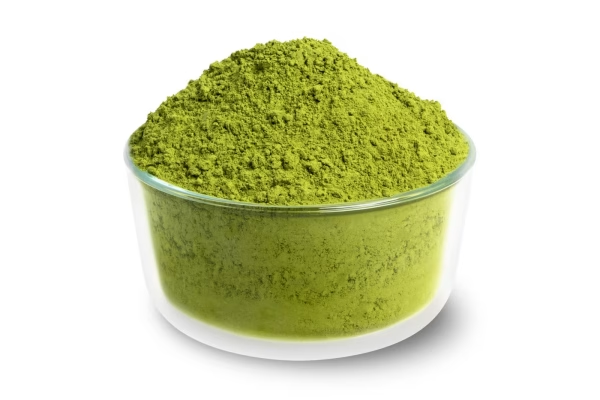
Matcha Tea Powder is a finely milled powder made from specially cultivated green tea leaves (Camellia sinensis). Before harvest, tea plants are shaded for approximately three to four weeks, increasing chlorophyll production and enhancing amino acid content.
After harvesting, the leaves are steamed, dried, and carefully stone-ground into an ultra-fine green powder.
Unlike regular green tea, where leaves are steeped and discarded, matcha allows you to consume the whole leaf, providing higher concentrations of nutrients and antioxidants.
Matcha is packed with naturally occurring compounds that contribute to its growing popularity.
Key nutrients include:
These nutrients make matcha one of the most nutrient-dense tea products available today.
Matcha contains exceptionally high levels of catechins, which help neutralize free radicals and protect cells from oxidative stress.
The natural caffeine in matcha provides sustained energy without the sudden crash commonly associated with coffee.
L-Theanine works together with caffeine to promote calm alertness, making matcha popular among students and professionals.
Many people include matcha in healthy diets because it may support metabolism when combined with regular exercise and balanced nutrition.
The antioxidants found in green tea may help support cardiovascular wellness as part of a healthy lifestyle.
The vibrant green color of matcha comes from chlorophyll, which is often associated with the body’s natural detoxification processes.
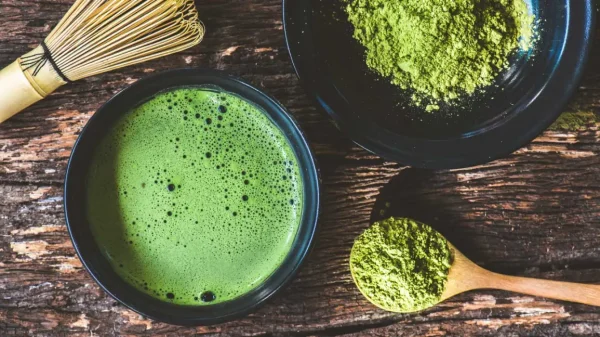
One reason for matcha’s global popularity is its incredible versatility.
It can be used in:
Food manufacturers also use matcha as a natural coloring ingredient due to its bright green appearance.
Understanding matcha grades helps buyers choose the right product for their needs.
When sourcing Matcha Tea Powder, consider the following factors:
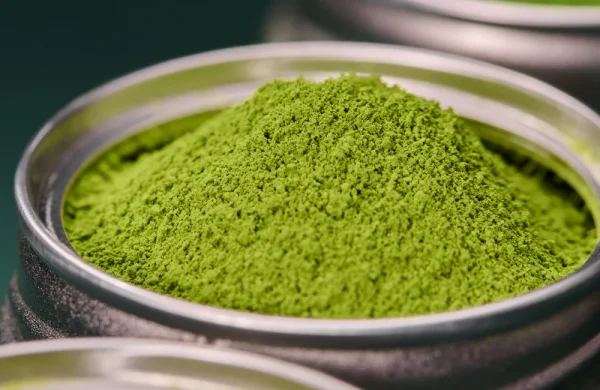
Fresh, premium matcha should have a vibrant emerald green appearance.
High-quality matcha feels silky smooth without coarse particles.
Premium matcha has a fresh, grassy, and slightly sweet aroma.
Choose suppliers that offer:
Matcha Tea Powder is widely used across various industries.
Matcha extract is also incorporated into skincare products due to its antioxidant properties.
International demand continues to grow because matcha offers:
Businesses worldwide are increasingly incorporating matcha into innovative product lines to meet evolving consumer preferences.
Proper storage helps maintain freshness and quality.
Store Matcha Tea Powder:
After opening, reseal the package promptly to preserve its vibrant color and flavor.
Matcha Tea Powder is much more than a trendy beverage ingredient. It is a nutrient-rich superfood with diverse applications in beverages, bakery products, dairy products, functional foods, and more.
Its unique combination of antioxidants, natural caffeine, L-Theanine, and vibrant color makes it an excellent choice for consumers and manufacturers alike.
If you’re looking for premium-quality Matcha Tea Powder for wholesale, private label, or bulk export, partnering with a trusted supplier ensures consistent quality, reliable delivery, and products that meet international food safety standards.
Matcha Tea Powder, Premium Matcha Tea Powder, Matcha Tea Supplier, Bulk Matcha Tea Powder, Wholesale Matcha Powder, Organic Matcha Tea Powder, Matcha Powder Exporter, Green Tea Powder Supplier, Matcha for Food Industry, Matcha Beverage Ingredient.


