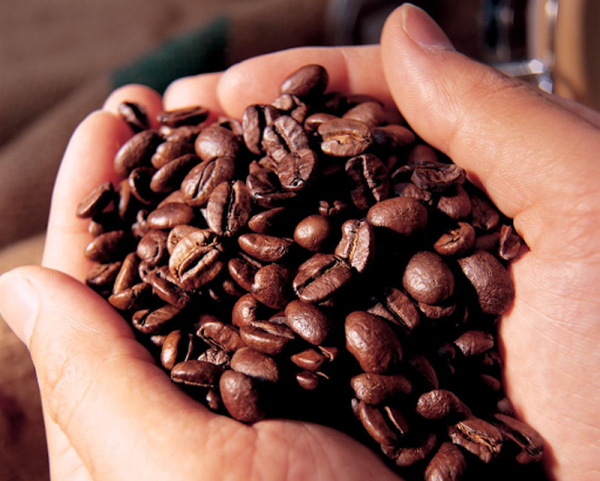
Coffee is one of the most popular beverages in the world, enjoyed by millions of people every day. At the heart of every great cup of coffee are coffee beans—the small seeds that carry the flavor, aroma, and character of the drink. Understanding coffee beans can help coffee lovers choose better coffee and appreciate the complexity behind every cup. This article explores everything you need to know about coffee beans, including their types, origins, processing methods, and how to choose the best beans.
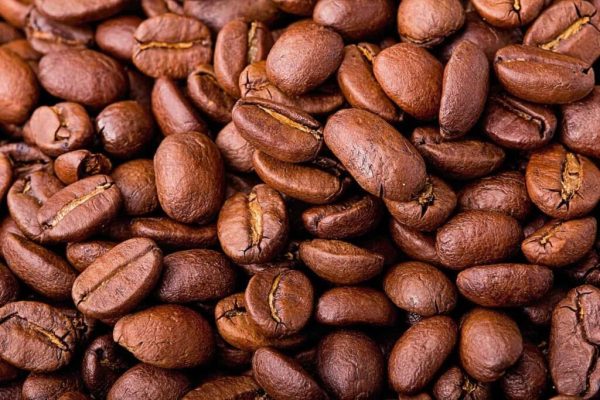
Coffee beans are actually the seeds found inside the fruit of the coffee plant, commonly called coffee cherries. These cherries grow on coffee trees in tropical regions around the world. Once harvested, the seeds are processed, dried, roasted, and eventually ground to make coffee.
Although they are called “beans,” coffee beans are technically seeds. Their flavor develops during the roasting process, which transforms the green coffee seeds into the aromatic brown beans used for brewing.
The Two Main Types of Coffee Beans
There are many varieties of coffee plants, but most of the world’s coffee production comes from two main types:
1. Arabica Coffee Beans
Arabica beans are the most popular type of coffee bean, accounting for about 60–70% of global coffee production. They are known for their smooth, mild flavor and complex aroma. Arabica coffee often has notes of fruit, sugar, and acidity, making it highly valued among specialty coffee drinkers.
Arabica beans typically grow at higher altitudes and require specific climate conditions. Major producers include countries such as Brazil, Colombia, and Ethiopia.
2. Robusta Coffee Beans
Robusta beans are stronger and more bitter compared to Arabica beans. They contain nearly twice as much caffeine and often have a bold, earthy flavor. Because Robusta plants are more resistant to pests and disease, they are easier and cheaper to cultivate.
Robusta coffee is commonly used in espresso blends and instant coffee products.
Where Coffee Beans Are Grown
Coffee beans grow in a region known as the “Coffee Belt,” which lies between the Tropics of Cancer and Capricorn. This area provides the ideal climate for coffee cultivation, including warm temperatures, rich soil, and consistent rainfall.
Some of the largest coffee-producing countries include:
Brazil
Vietnam
Colombia
Ethiopia
Indonesia
Each region produces coffee beans with unique flavor profiles influenced by soil, altitude, and climate conditions.
Coffee Bean Processing Methods
After harvesting, coffee beans must be processed to remove the outer layers of the fruit. The processing method plays a significant role in the final flavor of the coffee.
Washed (Wet) Process
In the washed process, the fruit is removed from the beans before drying. This method typically produces cleaner and brighter flavors.
Natural (Dry) Process
With the natural process, coffee cherries are dried with the fruit still attached. This allows the beans to absorb sugars from the fruit, creating sweeter and fruitier flavors.
Honey Process
The honey process is a combination of washed and natural methods, leaving some fruit pulp on the beans during drying. This technique produces balanced flavors with mild sweetness.
How Roasting Affects Coffee Beans
Green coffee beans do not have the familiar coffee flavor until they are roasted. Roasting develops the aroma, color, and taste of coffee. There are several common roast levels:
Light Roast: Bright acidity and more original bean flavor
Medium Roast: Balanced flavor, acidity, and aroma
Dark Roast: Strong, bold flavor with lower acidity
Different roasting styles highlight different characteristics of the coffee beans.
Tips for Choosing High-Quality Coffee Beans
If you want the best coffee experience, choosing quality beans is essential. Here are a few tips:
Buy whole beans instead of pre-ground coffee for better freshness.
Look for recent roast dates on the packaging.
Store coffee beans in an airtight container away from light and heat.
Try beans from different regions to discover your preferred flavor profile.
Conclusion
Coffee beans are the foundation of every cup of coffee. From the type of bean and growing region to processing and roasting methods, many factors influence the taste and quality of coffee. By understanding these elements, coffee lovers can make better choices and enjoy a richer coffee experience. Whether you prefer smooth Arabica or bold Robusta, exploring different coffee beans can open the door to a fascinating world of flavor.
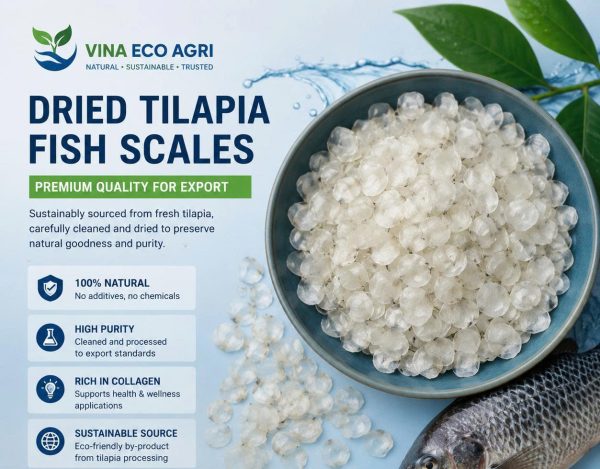
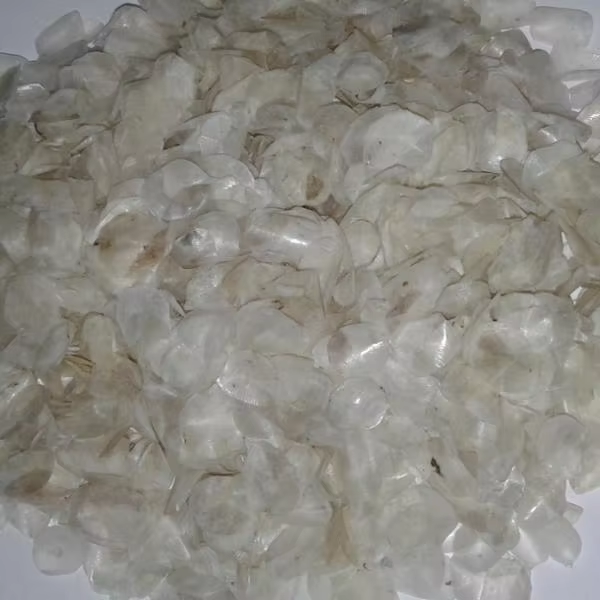
High-quality Tilapia Fish Scales have become an important raw material across multiple industries due to their high collagen content, sustainability, and economic value. As a leading supplier from Vietnam, VINA ECO AGRI offers premium-grade tilapia fish scales with stable supply, competitive pricing, and international export expertise.
If you are looking for a dependable Tilapia Fish Scales Supplier from Vietnam, VINA ECO AGRI., LTD is committed to delivering premium-quality products, competitive pricing, and reliable export services.
Tilapia fish scales are no longer considered processing waste—they are a valuable industrial resource. From collagen extraction and gelatin production to cosmetics, pharmaceuticals, organic fertilizers, animal feed, hydroxyapatite, and biodegradable packaging, these versatile by-products contribute to a more sustainable and circular economy.