Hotline/Zalo: +84 973 765 730

Dried Lotus Seeds: Benefits, Uses, and Export Opportunities

Dried lotus seeds are becoming increasingly popular in the global food market thanks to their nutritional value, versatile culinary applications, and growing demand for healthy plant-based ingredients. As consumers worldwide seek natural superfoods and traditional Asian ingredients, dried lotus seeds have emerged as a valuable export product for many agricultural suppliers.

Dried Lotus Seeds: Benefits, Uses, and Export Opportunities

What Are Dried Lotus Seeds?

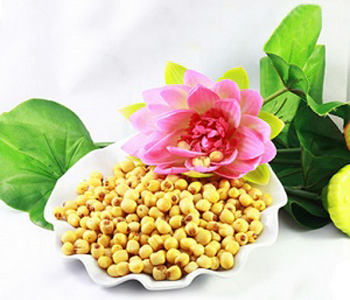
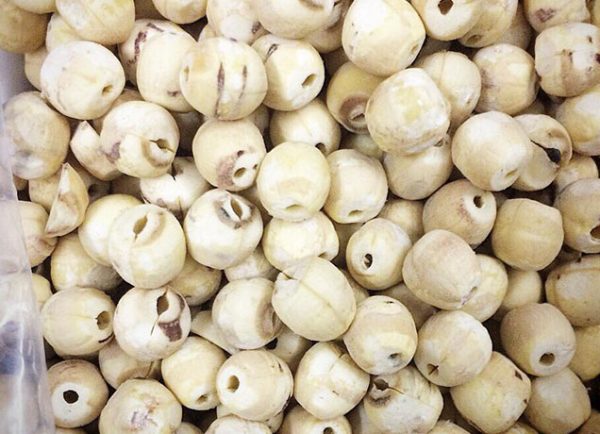
Dried lotus seeds are harvested from the seed pods of the lotus flower, scientifically known as Nelumbo nucifera. After harvesting, the seeds are peeled, cleaned, and dried to extend shelf life while preserving their nutritional properties. These seeds have been widely used in Asian cuisine and traditional medicine for centuries.

Today, dried lotus seeds are gaining recognition in international markets due to their mild flavor, chewy texture, and impressive health benefits.

Nutritional Benefits of Dried Lotus Seeds

One of the main reasons for the growing popularity of dried lotus seeds is their rich nutritional profile. They are considered a healthy snack and a valuable ingredient in many food products.

1. Rich in Protein

Dried lotus seeds contain a good amount of plant-based protein, making them suitable for vegetarians and health-conscious consumers. Protein supports muscle development, tissue repair, and overall body function.

2. High in Antioxidants

Lotus seeds are rich in antioxidants that help protect the body from free radicals and oxidative stress. Antioxidants may support healthy aging and reduce the risk of chronic diseases.

Dried Lotus Seeds: Benefits, Uses, and Export Opportunities

3. Good Source of Minerals

These seeds provide important minerals such as magnesium, potassium, phosphorus, and iron. These nutrients contribute to bone health, heart function, and improved energy levels.

4. Supports Digestive Health

Dried lotus seeds contain dietary fiber that helps improve digestion and maintain a healthy gut. Fiber can also support weight management by promoting a feeling of fullness.

5. Low in Fat and Gluten-Free

Lotus seeds are naturally low in fat and gluten-free, making them ideal for people following healthy diets or those with gluten intolerance.

Popular Uses of Dried Lotus Seeds

Dried lotus seeds are highly versatile and can be used in various food applications across different cultures.

Traditional Asian Desserts

In many Asian countries, lotus seeds are commonly used in sweet soups, mooncakes, puddings, and herbal desserts. Their mild sweetness and soft texture make them a favorite ingredient.

Dried Lotus Seeds: Benefits, Uses, and Export Opportunities

Healthy Snacks

Roasted or puffed lotus seeds are becoming popular as healthy snack alternatives. They can be lightly salted or flavored with spices to create nutritious snack products.

Soups and Herbal Dishes

Lotus seeds are often added to soups and herbal recipes for their nutritional and traditional wellness properties.

Bakery and Functional Foods

Food manufacturers are increasingly incorporating lotus seeds into cereal bars, granola, bakery products, and functional foods aimed at health-conscious consumers.

Global Market Demand for Dried Lotus Seeds

The international demand for dried lotus seeds is steadily increasing due to several market trends:

  • Rising consumer interest in superfoods
  • Growth of vegan and plant-based diets
  • Increased popularity of Asian cuisine worldwide
  • Demand for natural and minimally processed ingredients
  • Expansion of healthy snack categories

Countries such as the United States, Canada, Australia, South Korea, Japan, and several European markets are importing more dried lotus seeds for both retail and food processing industries.

Dried Lotus Seeds: Benefits, Uses, and Export Opportunities

Export Opportunities for Suppliers

Dried lotus seeds present excellent export opportunities for agricultural exporters and food suppliers. Countries with strong agricultural capabilities and competitive pricing can benefit significantly from this growing market.

High Export Potential

Exporters can target multiple industries including:

  • Food manufacturing
  • Wholesale distribution
  • Organic food markets
  • Snack production
  • Herbal and traditional food sectors

Value-Added Products

In addition to raw dried lotus seeds, suppliers can develop value-added products such as:

  • Roasted lotus seeds
  • Flavored lotus snacks
  • Lotus seed powder
  • Organic lotus seed products
  • Vacuum-packed retail products

These products can help exporters increase profit margins and expand into premium markets.

Importance of Quality Standards

To succeed in international markets, exporters should focus on:

  • Food safety certifications
  • Consistent product quality
  • Proper drying and packaging methods
  • Compliance with import regulations
  • Competitive pricing and reliable logistics

Buyers often look for suppliers that can provide stable supply chains and meet international quality requirements.

Dried Lotus Seeds: Benefits, Uses, and Export Opportunities

Why Vietnam Has Strong Potential in Lotus Seed Exports

Vietnam has favorable natural conditions for lotus cultivation and is increasingly recognized as a reliable agricultural exporter. Vietnamese dried lotus seeds are appreciated for their quality, natural taste, and competitive pricing.

With increasing investment in food processing and export infrastructure, Vietnam has strong potential to become a leading supplier of dried lotus seeds to the global market.

Dried lotus seeds are a nutritious, versatile, and high-potential agricultural product with growing global demand. Their health benefits, wide culinary uses, and increasing popularity in healthy food markets create strong opportunities for exporters worldwide.

As consumer interest in natural and functional foods continues to rise, dried lotus seeds are expected to become an even more valuable product in the international food trade industry.

Related news
Everything You Need to Know About Macadamia Nuts
Macadamia nuts contain flavonoids and tocotrienols, powerful antioxidants that help protect cells from oxidative stress and free radical damage. Antioxidants play a key role in reducing inflammation and supporting long-term health.
Top 10 Health Benefits of Macadamia Nuts
Macadamia nuts are often referred to as the “queen of nuts” due to their rich, buttery flavor and impressive nutritional profile. Native to Australia and now cultivated in various tropical regions worldwide, macadamia nuts have become a popular healthy snack among health-conscious consumers.
Macadamia Nuts: A Natural Source of Healthy Fats
Macadamia nuts are incredibly versatile and easy to incorporate into everyday meals. They can be enjoyed as a healthy snack, added to salads, mixed into granola, blended into smoothies, or used in baking recipes. Macadamia nut butter is also becoming increasingly popular as a nutritious spread alternative.