Desiccated coconut is a widely used coconut product in the global food industry thanks to its natural flavor, long shelf life, and versatile applications. From bakery and confectionery to ready-to-eat foods, desiccated coconut plays an essential role in both traditional and modern recipes.
This article provides a clear overview of the definition of desiccated coconut, how it is processed, and its key applications, helping importers, food manufacturers, and distributors make informed sourcing decisions.
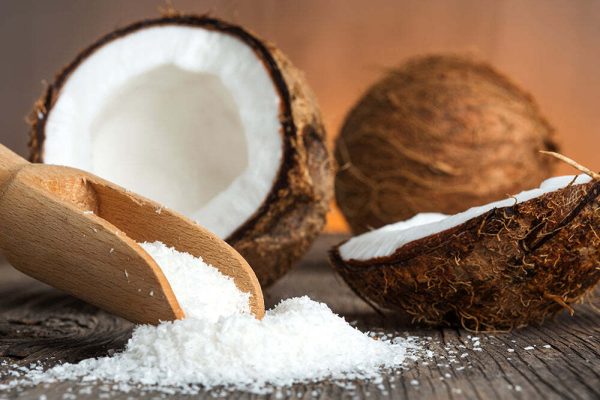
Desiccated coconut is the dried, shredded, or flaked white meat of mature coconuts, with the natural moisture content significantly reduced. It is commonly used as an ingredient in food processing due to its rich aroma, mild sweetness, and excellent shelf stability.
Unlike fresh coconut, desiccated coconut is:
Shelf-stable
Easy to store and transport
Free from preservatives when properly processed
High-quality desiccated coconut requires strict processing standards to ensure food safety, consistency, and natural taste.
Only fully matured coconuts are selected to achieve optimal oil content and flavor. Poor-quality coconuts can negatively affect texture and shelf life.
The coconut shells and brown testa are removed, leaving clean white coconut meat suitable for food-grade processing.

Coconut meat is thoroughly washed and blanched to:
Eliminate microbial contamination
Preserve natural color and aroma
The coconut meat is grated into different sizes (fine, medium, flakes) and dried under controlled temperatures to reduce moisture to below 3%.
This step is critical for:
Shelf life stability
Preventing mold growth
Maintaining flavor quality
After drying, the product is cooled and packed in food-grade, moisture-proof packaging to maintain freshness during storage and export.
Desiccated coconut is available in various forms to meet different market needs:
Fine Grade: Ideal for bakery fillings and coatings
Medium Grade: Commonly used in confectionery and snacks
Flakes/Chips: Used for toppings and decorative purposes
Grades may also vary based on fat content and microbiological standards.

Used in:
Cakes, cookies, biscuits
Chocolate bars and candy
Coconut fillings and coatings
Widely used in:
Energy bars
Breakfast cereals
Granola mixes
Common ingredient in:
Instant foods
Coconut-based desserts
Traditional and ethnic dishes

Desiccated coconut is popular in retail packaging for home baking and cooking due to its convenience and long shelf life.
Reliable desiccated coconut suppliers comply with international standards such as:
HACCP / ISO 22000
FDA registration (for US market)
Halal & Kosher certifications
Non-GMO standards
These certifications ensure safety, traceability, and export compliance.
Vietnam is one of the world’s leading coconut producers, offering:
Abundant raw materials
Competitive pricing
Modern processing facilities
Strong export experience
Vietnamese desiccated coconut is trusted by buyers in the US, EU, Middle East, and Asia.
Understanding desiccated coconut definition, processing, and applications helps businesses choose the right product for their needs. With its versatility, natural taste, and extended shelf life, desiccated coconut remains a key ingredient in the global food industry.
desiccated coconut, desiccated coconut processin, applications of desiccated coconut, desiccated coconut supplier, desiccated coconut manufacturer, food grade desiccated coconut