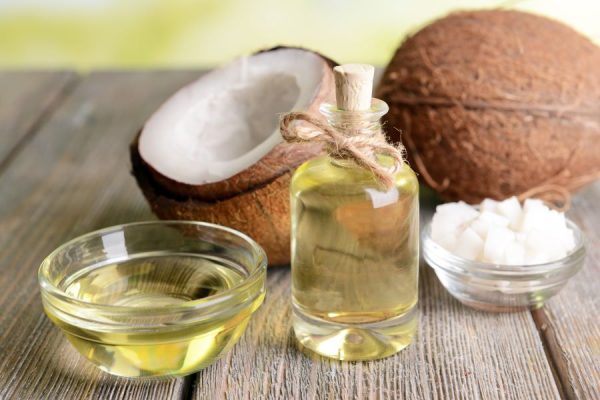
Copra cake, also known as coconut meal or copra meal, is a valuable by-product derived from the extraction of oil from dried coconut kernels (copra). As the global livestock industry continues to seek cost-effective and nutritious feed ingredients, copra cake has become an increasingly popular option for farmers and feed manufacturers. Thanks to its rich nutritional profile, affordability, and sustainability, copra cake is widely used in feed formulations for cattle, poultry, pigs, goats, and aquaculture.
In this article, we explore the nutritional value, key benefits, and practical uses of copra cake in animal feed, helping farmers and feed producers understand why this ingredient plays an important role in modern animal nutrition.
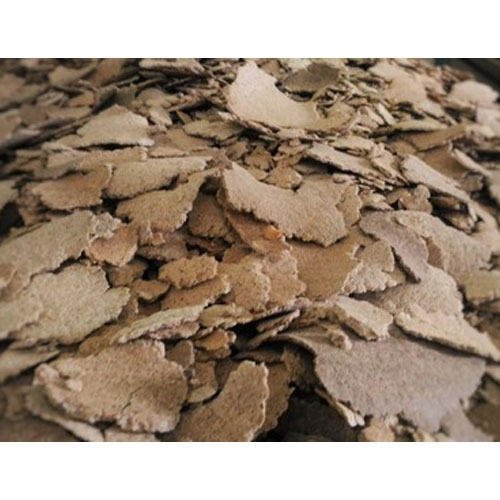
Copra cake is the solid residue left after oil is extracted from dried coconut meat. The oil extraction process can be done using mechanical pressing or solvent extraction. The resulting product contains moderate protein levels, high fiber, and residual oil, making it a nutritious feed ingredient.
Major coconut-producing countries such as Vietnam, the Philippines, Indonesia, and India supply copra cake to global animal feed markets. Because coconuts are abundant in tropical regions, copra cake is often more economical compared to other protein sources.
One of the main reasons copra cake is widely used in animal feed is its balanced nutrient composition. While exact values vary depending on processing methods, the typical nutritional profile includes:
The presence of residual coconut oil provides additional energy for animals, while the fiber content supports digestive health, especially for ruminants such as cattle and goats.
Copra cake also contains essential amino acids that contribute to muscle growth and overall animal performance.

Compared to soybean meal and other high-protein feed ingredients, copra cake is generally more affordable. This makes it an attractive option for feed manufacturers aiming to reduce production costs without sacrificing nutritional value.
Using copra cake in animal feed supports sustainable agriculture. Since it is a by-product of coconut oil production, utilizing it helps reduce waste and maximize the value of coconut resources.
The residual oil content provides additional calories, helping animals maintain energy levels. This is particularly beneficial for dairy cattle and growing livestock.
The fiber in copra cake helps improve rumen function in cattle and supports healthy digestion in many animals.
Many animals find copra cake palatable due to its natural coconut aroma, which can improve feed intake.
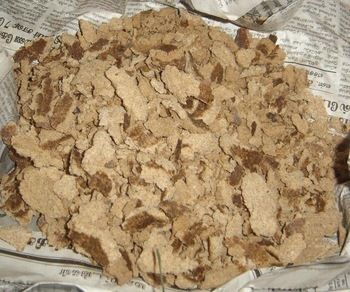
Copra cake is widely used in dairy and beef cattle diets. It serves as a protein and energy supplement and can be included in feed rations at moderate levels.
In poultry diets, copra cake is typically used in smaller proportions due to its fiber content. However, when properly balanced with other ingredients, it can contribute to healthy growth and egg production.
Copra cake is also incorporated into pig diets as a protein source. Young pigs may require limited inclusion levels, but finishing pigs can efficiently utilize the nutrients.
Ruminants like goats and sheep benefit from the fiber and protein in copra cake, making it a useful component of their daily feed.
In some aquaculture formulations, copra cake is used as a partial substitute for traditional plant protein sources.
Although copra cake offers many advantages, proper formulation is essential. Typical inclusion levels include:
Feed nutritionists should adjust these ratios depending on animal species, age, and overall diet composition.
Copra cake is a nutritious, cost-effective, and sustainable feed ingredient widely used in the livestock industry. With its moderate protein content, beneficial fiber, and residual coconut oil, it provides valuable nutrition for a variety of animals including cattle, poultry, pigs, and goats.
As global demand for efficient and environmentally friendly feed ingredients continues to grow, copra cake remains an important component of modern animal feed formulations. For farmers and feed manufacturers looking to optimize nutrition while controlling costs, copra cake offers a reliable and practical solution.
Copra cake, coconut copra cake, copra meal nutrition, copra cake protein content, coconut meal for animals, copra cake for cattle feed