The copra cake market has experienced steady growth in recent years, driven by increasing demand from the animal feed, agriculture, and organic fertilizer industries. Copra cake, also known as coconut oil cake or copra meal, is a valuable by-product obtained after extracting oil from dried coconut kernels (copra). Rich in protein, fiber, and essential nutrients, copra cake is widely traded across Asia, Africa, Europe, and the Middle East.
As global livestock production expands and sustainable feed ingredients gain importance, the global copra cake market continues to attract importers and feed manufacturers worldwide.
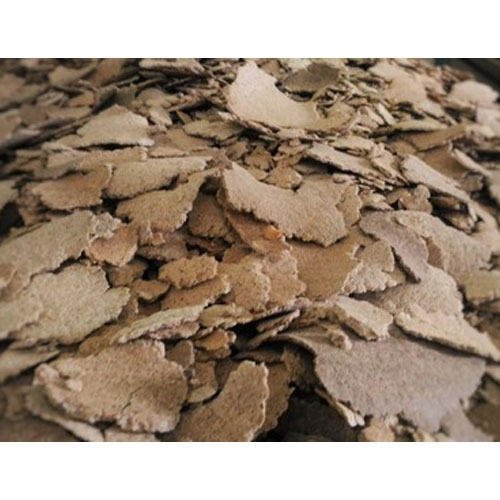
Copra cake production begins with high-quality dried coconuts, primarily sourced from major coconut-producing countries such as:
Vietnam
Philippines
Indonesia
India
Sri Lanka
The quality of copra directly impacts the nutritional value, color, and oil residue of the final product.
There are two main methods used in copra cake production:
Produces copra cake with higher oil content
Better aroma and palatability for livestock
Preferred for premium animal feed markets
Lower residual oil content
Higher protein concentration
Common for large-scale feed manufacturing
After oil extraction, the remaining solid material is cooled, ground, and packed for domestic use or export.
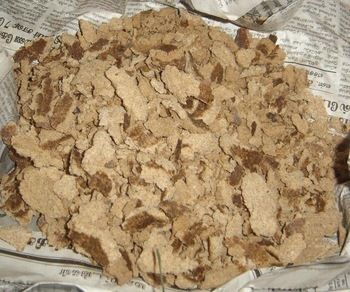
International buyers evaluate copra cake based on the following factors:
Protein content (18–25%)
Moisture level (below 12%)
Crude fiber percentage
Oil residue
Color and freshness
Absence of mold and aflatoxin
Copra cake is generally classified into:
Feed Grade Copra Cake – for cattle, poultry, and aquaculture
Organic Copra Cake – used in organic farming and fertilizer applications
Compliance with GMP, HACCP, and ISO standards significantly enhances export acceptance.
The global demand for copra cake is strongest in:
European Union – dairy cattle and organic farming
Middle East – livestock and camel feed
China & Southeast Asia – aquaculture and poultry feed
Africa – cost-effective protein feed source
Rising awareness of natural feed ingredients has positioned copra cake as a competitive alternative to soybean meal in certain regions.
Animal feed (cattle, sheep, goats, poultry)
Aquaculture feed formulations
Organic fertilizers and soil conditioners
Bio-based agricultural inputs

With the shift toward eco-friendly agriculture, demand for organic copra cake continues to rise. It improves soil structure while providing slow-release nutrients.
Compared to soybean meal and palm kernel cake, copra cake offers:
Competitive pricing
Stable availability in coconut-producing countries
Lower environmental footprint
Countries like Vietnam and Indonesia are strengthening their position as reliable copra cake exporters, thanks to improved processing technology and strict quality control.
Despite its advantages, the market faces certain challenges:
Price fluctuations of coconuts
Quality inconsistency among suppliers
Moisture and storage-related issues
Compliance with strict import regulations
Addressing these challenges through better processing and logistics will be key to long-term market growth.
The copra cake market plays an increasingly important role in the global agricultural supply chain. With strong demand from the animal feed and organic agriculture sectors, consistent production quality and adherence to international standards are essential for exporters.
Copra cake market, Copra cake production, Copra cake quality, Global copra cake demand Copra cake animal feed, Copra cake exporter