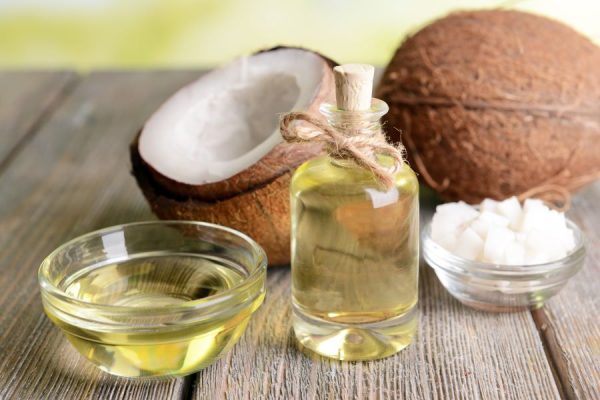
The global coconut industry produces a wide range of valuable by-products beyond coconut oil and coconut milk. One of the most important of these is copra cake, a nutrient-rich material widely used in animal feed and agriculture. But what exactly is copra cake, and why is it becoming increasingly valuable in global markets?
In this article, we will explore what copra cake is, how it is produced, its nutritional value, and its main uses in agriculture and livestock industries.
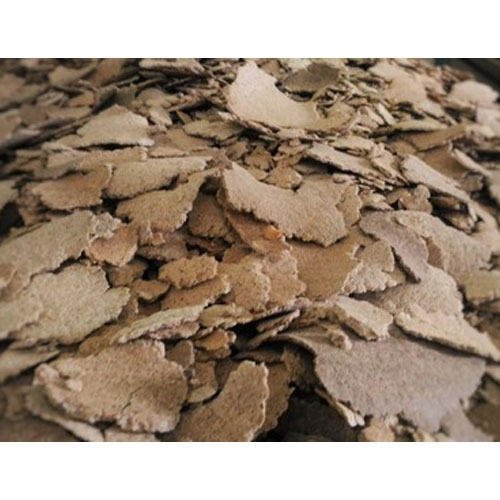
Copra cake, also known as coconut meal or coconut oil cake, is the solid residue left after oil is extracted from dried coconut kernels known as Copra. When copra undergoes mechanical pressing or solvent extraction to produce Coconut Oil, the remaining fibrous material forms copra cake.
This by-product retains a significant amount of nutrients, making it highly suitable as livestock feed. Countries with strong coconut industries such as Indonesia, Philippines, India, and Vietnam are major producers and exporters of copra cake.
The production of copra cake begins with harvesting mature coconuts from the Coconut Tree. The process typically includes the following steps:
1. Drying the Coconut Kernel
Fresh coconut meat is dried to produce copra. Drying can be done through sun-drying, smoke drying, or kiln drying to reduce moisture and preserve the kernel.
2. Oil Extraction
The dried copra is then processed using mechanical expellers or solvent extraction methods to obtain coconut oil.
3. Residue Formation
After oil extraction, the remaining solid material becomes copra cake. This material is ground or processed into meal form for easier use in feed formulations.
The efficiency of oil extraction determines how much oil remains in the cake. Typically, copra cake contains 5–12% residual oil, depending on the extraction method.

Copra cake is widely valued for its nutritional profile, which makes it a useful ingredient in animal feed formulations.
Key nutritional components include:
Because of its moderate protein and energy levels, copra cake is commonly used as a supplementary feed rather than a complete feed ingredient.
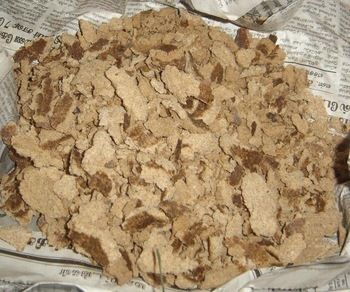
The most common use of copra cake is in animal nutrition. It is widely used in feed for:
Copra cake is especially popular in tropical regions where coconuts are abundant. Its natural oil content also helps improve the energy level of livestock diets.
In some countries, copra cake is incorporated into fish feed formulations, particularly for freshwater fish farming. It provides a plant-based protein alternative that helps reduce feed costs.
Copra cake can also be used as organic fertilizer. Its natural nutrients help enrich soil and support plant growth, making it beneficial for sustainable agriculture.
Because copra cake is a recycled agricultural by-product, it supports environmentally friendly production practices. Instead of being discarded, it is reused in agriculture and livestock industries.

There are several reasons why copra cake is widely used around the world:
For farmers and feed manufacturers, copra cake provides a practical way to reduce feed costs while maintaining nutritional value.
Copra cake is an important by-product of the coconut oil industry that plays a valuable role in agriculture and livestock production. Produced from dried coconut kernels after oil extraction, it contains protein, fiber, and residual oil that make it an excellent ingredient for animal feed and organic fertilizers.
As global demand for sustainable and cost-efficient feed ingredients continues to grow, copra cake remains a key coconut by-product with significant economic and environmental benefits.
VINA ECO AGRI is a trusted manufacturer and exporter specializing in high-quality Copra Cake for global markets. With abundant raw materials sourced from Vietnam’s coconut processing industry and a strict quality control system, we ensure every batch meets stable quality standards for feed and agricultural applications.
Our company has the capacity to supply large-volume orders with consistent quality, making us a reliable partner for feed producers, agricultural companies, distributors, and wholesalers worldwide. If you are looking for a professional Copra Cake supplier with competitive pricing and a stable supply, VINA ECO AGRI is ready to support your business.
📩 Contact us today to receive the best quotation and build a long-term partnership.
Copra cake, coconut copra cake, copra meal nutrition, copra cake protein content, coconut meal for animals, copra cake for cattle feed