Coffee Beans Export Standards: What International Buyers Look For
The global coffee market is highly competitive, and meeting strict export standards is essential for suppliers who want to succeed internationally. Countries that export coffee must comply with quality, safety, and sustainability requirements demanded by global importers. Understanding coffee beans export standards helps producers and exporters maintain product quality, build long-term partnerships, and access premium markets.
This article explores the most important factors international buyers evaluate when sourcing coffee beans.
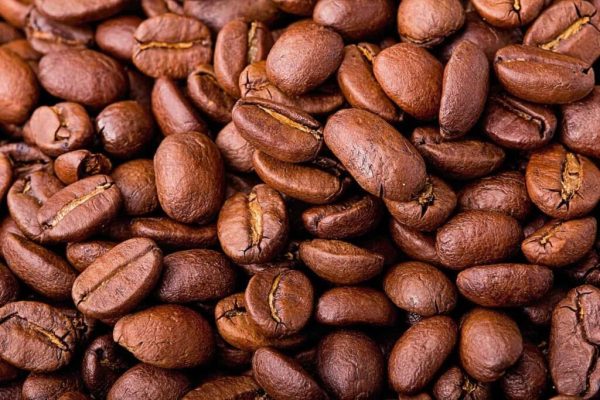
Quality is the first and most important factor international buyers consider. Coffee beans are graded based on several characteristics such as size, defects, moisture content, and flavor profile.
Buyers usually expect:
Uniform bean size
Minimal defects
Consistent color
Proper moisture levels (typically 10–12%)
High-quality beans ensure consistent roasting results and better flavor in the final product. Specialty coffee buyers are even stricter, often requiring beans with unique aroma, acidity, and origin characteristics.
Coffee exporters must also follow internationally recognized grading systems used by importing countries to maintain credibility in the global market.
2. Compliance with Food Safety Standards
Food safety regulations are critical in coffee exports. Importing countries require coffee beans to meet strict health and safety standards to protect consumers.
Common requirements include:
Absence of harmful chemicals or pesticide residues
No contamination by mold or foreign materials
Compliance with maximum residue limits (MRLs)
Exporters must ensure their production and storage facilities follow proper hygiene practices. Many buyers also request laboratory testing to verify that coffee beans meet international safety regulations.
Failure to meet these requirements can lead to shipment rejection or financial losses.
3. International Certifications
Certifications play an important role in modern coffee trade. Many international buyers prefer suppliers that comply with recognized sustainability and ethical standards.
Some common certifications include:
Organic certification
Fair Trade certification
Rainforest Alliance certification
UTZ certification
These certifications prove that the coffee is produced using environmentally friendly methods and fair labor practices. For exporters, certification can increase credibility and allow access to premium markets where buyers are willing to pay higher prices.
4. Processing and Traceability
Coffee processing methods significantly influence bean quality. Buyers often ask about the processing technique used, such as:
Washed (wet processed)
Natural (dry processed)
Honey processed
Each method affects the flavor profile of the coffee. Transparency in processing helps buyers understand the characteristics of the beans they are purchasing.
Traceability is also becoming increasingly important. International buyers want to know the exact origin of the coffee, including the farm, region, and harvest period. Traceability builds trust and helps brands market single-origin coffee products.
5. Packaging and Storage Requirements
Proper packaging is essential to protect coffee beans during international transportation. Exporters typically use:
Jute bags with inner liners
Vacuum-sealed packaging
GrainPro or hermetic bags
These packaging solutions protect beans from moisture, pests, and contamination during shipping.
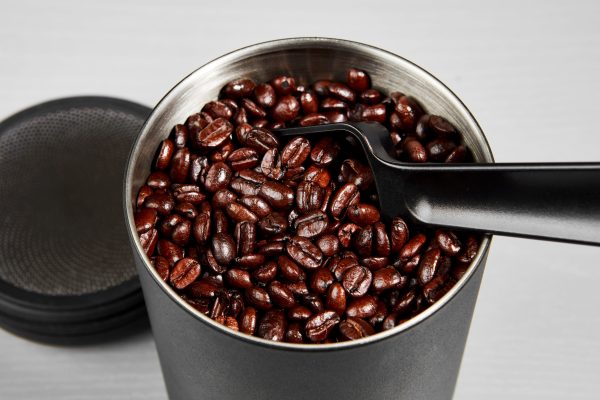
Storage conditions are equally important. Coffee beans must be stored in cool, dry, and well-ventilated warehouses to maintain freshness and prevent mold growth.
International buyers often inspect packaging quality before finalizing long-term contracts.
6. Reliable Supply and Consistency
Consistency is a key factor for global coffee buyers. Roasters and distributors rely on stable suppliers who can deliver the same quality in every shipment.
Exporters must demonstrate:
Reliable harvest volumes
Consistent bean quality across batches
Timely delivery schedules
Meeting these expectations helps exporters build strong relationships with international buyers and maintain long-term partnerships.
Meeting coffee beans export standards is essential for suppliers aiming to succeed in the global coffee industry. International buyers look for high-quality beans, strict food safety compliance, recognized certifications, transparent processing methods, proper packaging, and consistent supply.
Exporters who invest in quality control, sustainable practices, and traceability systems will have a competitive advantage in international markets. By understanding what buyers expect, coffee producers can strengthen their reputation and expand their presence in the global coffee trade.
High-quality Tilapia Fish Scales have become an important raw material across multiple industries due to their high collagen content, sustainability, and economic value. As a leading supplier from Vietnam, VINA ECO AGRI offers premium-grade tilapia fish scales with stable supply, competitive pricing, and international export expertise.
If you are looking for a dependable Tilapia Fish Scales Supplier from Vietnam, VINA ECO AGRI., LTD is committed to delivering premium-quality products, competitive pricing, and reliable export services.
Tilapia fish scales are no longer considered processing waste—they are a valuable industrial resource. From collagen extraction and gelatin production to cosmetics, pharmaceuticals, organic fertilizers, animal feed, hydroxyapatite, and biodegradable packaging, these versatile by-products contribute to a more sustainable and circular economy.