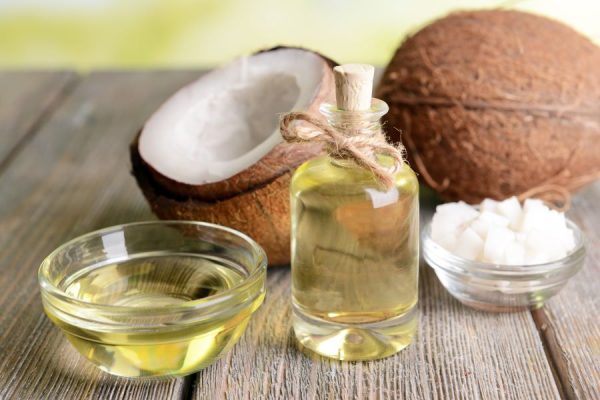
Coconut jelly is a delicious, refreshing ingredient widely enjoyed in beverages, desserts, and fruit-based snacks. With its soft, chewy texture and mildly sweet flavor, it has become a favorite topping in bubble tea, smoothies, yogurt, ice cream, and fruit cocktails. Besides its appealing taste, coconut jelly also offers several nutritional benefits that make it a healthier alternative to many processed dessert toppings.
In this article, we’ll explore the nutritional value, health benefits, culinary applications, and storage tips for coconut jelly.
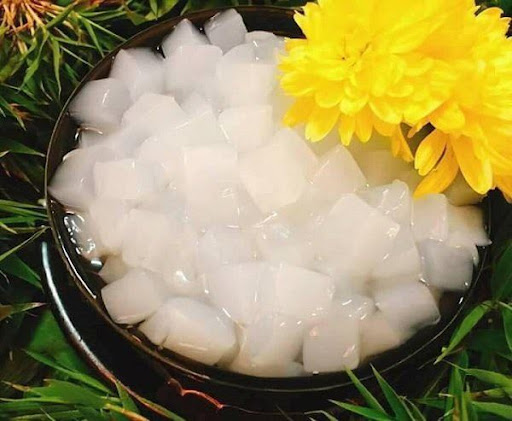
Coconut jelly is a translucent, chewy food product commonly made from nata de coco, which is produced by fermenting coconut water using beneficial bacteria. The fermentation process creates a natural cellulose gel that is then cut into small cubes and sweetened with syrup or fruit flavors.
Unlike coconut meat, coconut jelly has a lighter texture and is low in fat while providing a satisfying bite.
Although the exact nutritional content varies depending on the manufacturer and added sweeteners, coconut jelly generally contains:
Unsweetened coconut jelly is naturally lower in calories than many sugary dessert ingredients, making it suitable for balanced diets when consumed in moderation.
One of the biggest advantages of coconut jelly is its high cellulose fiber content. Dietary fiber helps:
Fiber-rich foods can also help maintain healthy cholesterol levels when included as part of a balanced diet.
Unlike many creamy dessert toppings, coconut jelly contains very little fat. This makes it an attractive option for people looking for lighter dessert ingredients.
Since coconut jelly contains a high percentage of water, it contributes to daily fluid intake, especially when served in chilled beverages or fruit desserts.
Its chewy texture provides a satisfying eating experience while often containing fewer calories than candies or cream-based desserts.
Unsweetened or lightly sweetened coconut jelly can be incorporated into healthier meal plans by pairing it with:
Coconut jelly is incredibly versatile and widely used across Asia and many international markets.
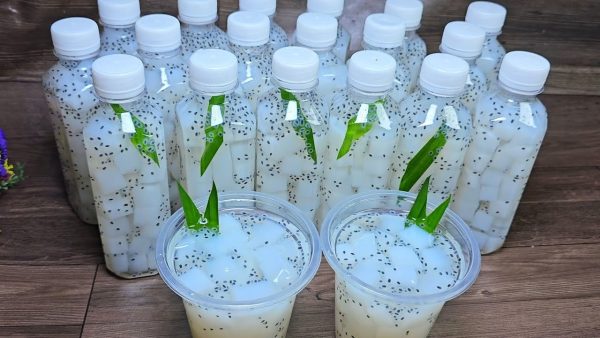
One of the most popular toppings for bubble tea, coconut jelly adds a refreshing chewiness without overpowering the drink.
It pairs perfectly with:
Many desserts use coconut jelly, including:
Adding coconut jelly gives smoothies extra texture while enhancing the tropical flavor.
Some bakeries use flavored coconut jelly as fillings for cakes, pastries, and specialty desserts.

| Feature | Coconut Jelly | Coconut Meat |
|---|---|---|
| Texture | Soft and chewy | Firm and creamy |
| Fat Content | Low | High |
| Fiber | High cellulose fiber | Natural dietary fiber |
| Calories | Generally lower | Higher |
| Production | Fermented coconut water | Fresh coconut flesh |
Both have their own nutritional advantages and can be enjoyed as part of a healthy diet.
To maintain freshness:
Proper storage helps preserve texture, flavor, and food safety.
The global demand for coconut jelly continues to rise because consumers appreciate products that are:
Its long shelf life and versatility also make it a preferred ingredient for cafés, restaurants, beverage chains, and food manufacturers.
Yes. Coconut jelly can be part of a healthy diet, especially when consumed in moderation and with limited added sugar. It provides dietary fiber and is naturally low in fat.
Most coconut jelly products made from fermented coconut water are vegan. However, always check the ingredient label for added ingredients.
Pure coconut jelly is generally gluten-free, but consumers with gluten sensitivity should verify product labels to avoid cross-contamination.
Absolutely. Coconut jelly is one of the most popular bubble tea toppings because of its chewy texture and refreshing taste.
Yes, when consumed in appropriate portions as part of a balanced diet. Parents should choose products with moderate sugar content.
Coconut jelly is more than just a tasty dessert topping—it is a versatile ingredient that combines refreshing texture with dietary fiber and low fat content. Whether added to bubble tea, smoothies, fruit salads, yogurt, or desserts, coconut jelly offers a unique eating experience enjoyed by consumers around the world.
As demand for tropical and plant-based food products continues to grow, coconut jelly remains an excellent choice for both home kitchens and the global food industry. Choosing high-quality coconut jelly made from premium coconut water ensures the best flavor, texture, and overall quality.
coconut jelly, coconut jelly benefits, coconut jelly nutrition, what is coconut jelly, nata de coco, coconut jelly uses, coconut jelly for bubble tea, healthy coconut jelly, tropical dessert ingredients, coconut jelly supplier.