Cocoa beans are an essential raw material in the global chocolate and food manufacturing industries. They are widely used to produce cocoa powder, cocoa butter, chocolate, and various confectionery products. With growing demand for high-quality cocoa ingredients, understanding cocoa bean uses, processing methods, and quality standards is important for manufacturers, importers, and international buyers.
In this article, we explore how cocoa beans are processed, their main applications, and the key quality requirements buyers should consider when sourcing cocoa beans from reliable suppliers.
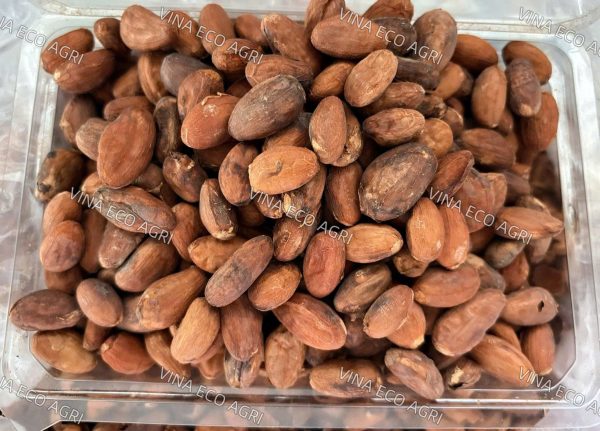
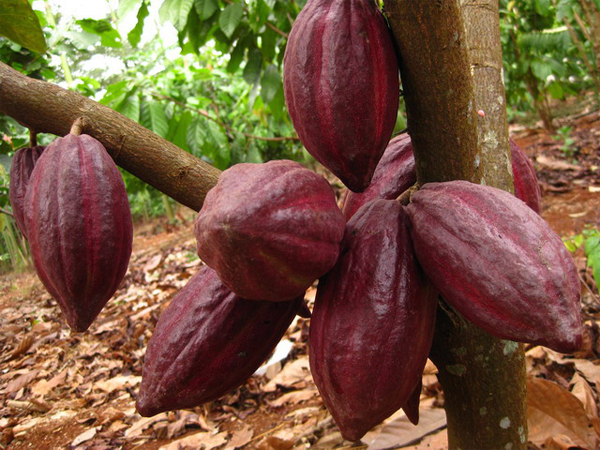
Cocoa beans are the fermented and dried seeds of the cacao tree (Theobroma cacao), a tropical plant cultivated in countries with warm climates and sufficient rainfall. After harvesting, cacao pods are opened to collect the beans, which are then fermented and dried to develop their characteristic flavor and aroma.
Cocoa beans are primarily used in chocolate production and the manufacturing of cocoa-derived ingredients. Their flavor, color, fat content, and processing characteristics can vary depending on the cacao variety, growing conditions, fermentation method, and post-harvest handling.
For international buyers, selecting suitable cocoa beans is essential to achieving consistent product quality and meeting manufacturing requirements.
Cocoa beans are versatile agricultural commodities with applications across several industries.
Chocolate production is one of the largest applications of cocoa beans. After roasting and grinding, cocoa beans produce cocoa mass, also known as cocoa liquor. This ingredient can be combined with sugar, cocoa butter, milk ingredients, and other components to manufacture different types of chocolate.
Common products include:
The flavor profile and quality of cocoa beans directly influence the aroma, taste, and overall characteristics of the final chocolate product.
Cocoa beans can be processed into cocoa powder for use in food and beverage manufacturing. During processing, cocoa mass is pressed to separate part of the cocoa butter, leaving a solid cocoa press cake that can be milled into powder.
Cocoa powder is widely used in:
Food manufacturers select cocoa powder based on factors such as color, flavor, fat content, solubility requirements, and whether natural or alkalized cocoa is needed.
Cocoa butter is the natural fat extracted from cocoa beans through processing. It is an important ingredient in chocolate because of its melting properties and contribution to texture and mouthfeel.
Cocoa butter is also used in selected cosmetics and personal care products, including creams, lotions, and lip balms.
Beyond conventional chocolate manufacturing, cocoa beans are used to develop specialty cocoa ingredients for premium confectionery, bakery products, and other food applications.
Manufacturers may choose beans with specific flavor characteristics to create products with distinctive sensory profiles. Cocoa shells, a by-product of processing, may also have applications in certain industrial or agricultural uses, subject to applicable safety and regulatory requirements.
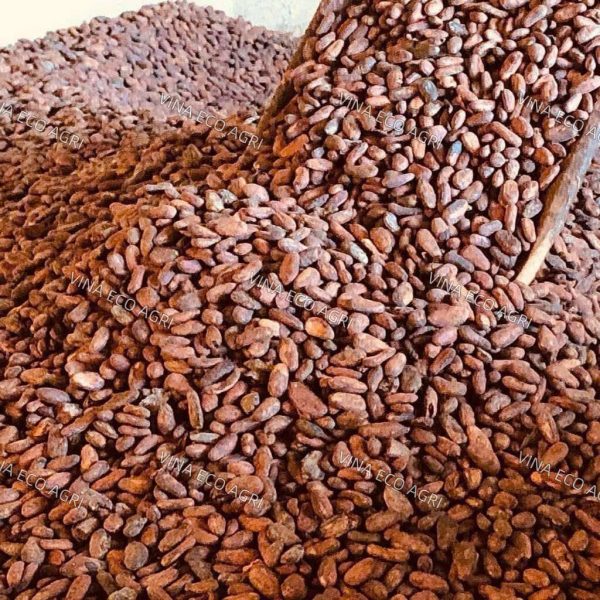
Proper processing is essential for developing cocoa flavor, reducing moisture, and maintaining product quality during storage and transportation.
Ripe cacao pods are harvested and opened to collect the beans and surrounding pulp. Harvesting at the appropriate maturity helps provide suitable raw material for subsequent processing.
Fresh cocoa beans are fermented, commonly in boxes or heaps, depending on local practices and production scale. During fermentation, natural microbial activity transforms the pulp and initiates chemical changes inside the beans.
These changes help develop the flavor and aroma precursors required for chocolate production. Fermentation conditions and duration influence the final quality of the beans.
After fermentation, cocoa beans are dried to reduce moisture to a level suitable for safe storage and transportation. Drying can take place under the sun or through controlled mechanical systems.
Proper drying helps limit mold development and reduces the risk of deterioration during storage. Excessive drying or poor handling, however, can also affect quality.
Dried cocoa beans are cleaned and sorted to remove foreign materials, damaged beans, and other unwanted matter. Depending on buyer requirements, sorting may include grading by size, appearance, and defect levels.
This stage helps improve consistency and prepares the beans for storage, export, or further processing.
Roasting is commonly performed before cocoa beans are ground into cocoa mass. The temperature and duration depend on the desired flavor profile, bean characteristics, and intended application.
Roasting contributes to the development of characteristic cocoa aromas and helps prepare the beans for subsequent processing.
Roasted cocoa beans are cracked and winnowed to separate the outer shells from the inner nibs. The nibs are then ground to produce cocoa mass, which can be used directly in some manufacturing processes or further processed to obtain cocoa butter and cocoa powder.
For bulk agricultural suppliers, export-grade dried cocoa beans are generally traded before these industrial processing stages, depending on the product specification and buyer requirements.

Quality assessment is a critical part of cocoa bean sourcing and international trade. Buyers should establish clear specifications with suppliers before placing orders.
Moisture content is one of the most important parameters for dried cocoa beans. Excessive moisture can increase the risk of mold growth and quality deterioration during storage.
A maximum moisture content of around 7.5% is commonly used as a reference in international cocoa trade, although the exact requirement should be confirmed against the applicable standard and purchase contract.
Fermentation quality affects the flavor potential of cocoa beans. Depending on the variety and processing conditions, cut beans may show different internal colors.
Buyers may evaluate fermentation through cut tests, which help identify under-fermented, slaty, or otherwise defective beans. Acceptance limits should be agreed upon before shipment.
Export-quality cocoa beans should be reasonably clean and meet the agreed limits for foreign matter and defects.
Common defects include:
The permitted levels depend on the applicable standard, grade, and buyer specifications.
Good-quality cocoa beans should have a characteristic cocoa aroma without unacceptable moldy, smoky, chemical, or other off-odors.
Flavor requirements vary according to the intended use. Premium chocolate manufacturers may require more detailed sensory evaluation, while industrial buyers may prioritize consistency and suitability for large-scale processing.
International buyers should also consider food safety documentation, traceability, storage hygiene, and compliance with destination-market regulations.
Depending on the intended use and importing country, buyers may request testing or documentation related to pesticide residues, heavy metals such as cadmium, microbiological hazards, or other relevant contaminants.
Relevant specifications and test methods should be agreed upon with the supplier and verified through appropriate documentation or laboratory testing.
Several standards and technical references may be relevant to cocoa bean quality and trade.
ISO 2451 provides specifications for cocoa beans, including requirements and methods relevant to assessing their quality. Buyers should check the current applicable edition and confirm which provisions are incorporated into their purchase contracts.
The Codex Alimentarius framework provides international food standards and guidance that may be relevant to cocoa products, contaminants, food hygiene, and international food trade.
Not every Codex provision applies directly to raw cocoa beans, so the relevant document should be identified according to the product and market.
Import requirements vary by country and product category. Exporters and importers should verify applicable food safety rules, residue limits, documentation, labeling obligations, and customs requirements before shipment.
A clear specification sheet and an agreed inspection procedure can help reduce misunderstandings between suppliers and buyers.
Selecting a reliable cocoa bean supplier is important for manufacturers, distributors, and international trading companies.
Consider the following factors when evaluating a supplier:
1. Consistent product quality: Confirm moisture content, fermentation level, defect limits, bean size, and other relevant parameters.
2. Transparent specifications: Request a product specification sheet that clearly identifies the grade, origin, packaging, and quality requirements.
3. Suitable packaging and storage: Cocoa beans should be packed and stored in clean, dry conditions to protect them from moisture, pests, and contamination.
4. Export experience: Suppliers with experience in international trade may be better equipped to coordinate documentation, packaging requirements, and shipment arrangements.
5. Clear communication: Confirm minimum order quantity, available volume, lead time, payment terms, and shipping conditions before finalizing an order.
6. Traceability and documentation: Ask for relevant origin information, inspection reports, and food safety documents where required.
These steps help buyers assess whether a supplier can meet their production needs and maintain consistent quality across orders.
Cocoa beans remain an important agricultural commodity for the global chocolate, bakery, confectionery, and food ingredient industries. Their value depends not only on origin but also on fermentation, drying, storage, quality consistency, and compliance with buyer specifications.
For importers and food manufacturers, working with a dependable supplier can help support efficient procurement and reliable production planning.
VINA ECO AGRI., LTD supports international agricultural commodity sourcing and business connections. Buyers interested in cocoa beans and other agricultural products can contact our team to discuss product specifications, sourcing requirements, and potential export opportunities.
Contact VINA ECO AGRI., LTD
Email: Henry@veavn.com
Website: https://veavn.com/en/
Feel free to contact us for further information about your sourcing requirements.
Cocoa beans are mainly used to manufacture chocolate, cocoa powder, and cocoa butter. They are also used in other food products and selected personal care applications through their processed derivatives.
Cocoa beans are generally fermented and dried after harvesting. They may then be cleaned, sorted, roasted, cracked, and ground, depending on whether they are being prepared for export or further industrial processing.
A maximum moisture content of around 7.5% is commonly used as a trade reference. However, the exact limit should be confirmed against the applicable standard and the buyer’s contract.
Fermentation helps develop the flavor and aroma precursors needed for chocolate production. Inadequate or poorly controlled fermentation can negatively affect the quality of the final product.
Buyers should check moisture content, fermentation quality, defect levels, foreign matter, packaging, origin, food safety requirements, traceability, and export documentation.
Request detailed product specifications, confirm available quantities, review relevant quality documentation, and agree on inspection procedures and shipping terms before placing an order.
Cocoa beans are a valuable raw material for chocolate production and a wide range of food applications. Understanding their uses, processing stages, and quality standards helps buyers make informed sourcing decisions and maintain product consistency.
Whether you are a chocolate manufacturer, food ingredient distributor, or agricultural commodity importer, choosing cocoa beans that meet your technical specifications and destination-market requirements is essential for successful international trade.