Cassia Benefits: Why This Ancient Spice Is Still Popular Today
Cassia is one of the world’s oldest spices—and it’s still everywhere today, from cozy kitchens to traditional wellness practices. Known for its bold aroma and warming taste, cassia has been used for thousands of years across Asia, the Middle East, and Europe. So why has this ancient spice stood the test of time? Let’s dig into the benefits of cassia, how it’s used today, and what makes it different from other types of cinnamon.
Content
What Is Cassia?
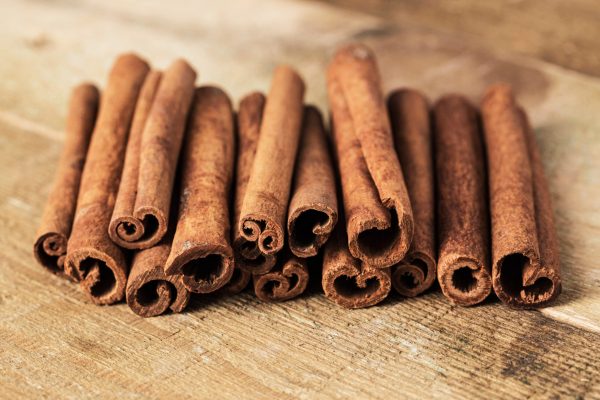
Cassia (often called Cassia cinnamon) comes from the dried bark of trees in the Cinnamomum family, mainly Cinnamomum cassia. Compared to Ceylon cinnamon, cassia has:
A stronger, spicier flavor
Thicker, darker bark
Higher concentration of aromatic compounds
This intensity is exactly why cassia is the go-to cinnamon in many recipes worldwide.
Top Cassia Benefits Backed by Tradition
1. Rich in Natural Antioxidants
Cassia contains plant compounds that help protect cells from oxidative stress. Antioxidants are valued for supporting overall wellness and helping the body cope with daily environmental factors.
2. Supports Digestive Comfort
In traditional use, cassia has long been added to teas and meals to promote digestion, especially after heavy or oily foods. Its warming nature is believed to help stimulate digestive processes.
3. Naturally Warming Properties
Cassia is widely used in cold-weather dishes and drinks because it creates a warming sensation. In traditional systems, warming spices are often associated with improved circulation and comfort.
4. Aromatic and Flavor-Enhancing
One of the most practical benefits of cassia is its powerful aroma. A small amount goes a long way, making foods more fragrant and flavorful without added sugar or salt.
Cassia vs. Ceylon Cinnamon: What’s the Difference?
Feature
Cassia
Ceylon Cinnamon
Flavor
Strong, spicy
Mild, sweet
Color
Dark reddish-brown
Light tan
Bark
Thick, hard
Thin, soft layers
Common Use
Baking, cooking, spice blends
Desserts, drinks
Cassia’s boldness makes it especially popular in Asian cuisine, bakery products, and processed foods.
Modern Uses of Cassia Today
Cassia isn’t just a historical spice—it’s a modern staple:
Is cassia the same as cinnamon? Cassia is a type of cinnamon, but not all cinnamon is cassia. The term “cinnamon” often refers to cassia in everyday use.
Can cassia be used daily in cooking? Cassia is commonly used in daily cooking around the world, especially in small culinary amounts.
What does cassia taste like? It has a warm, spicy, slightly sweet flavor that’s stronger than Ceylon cinnamon.
Cassia’s journey from ancient trade routes to modern kitchens is no accident. With its bold taste, aromatic warmth, and long history of traditional use, cassia continues to be one of the most popular spices in the world today.
If you’re looking for a spice that delivers flavor, heritage, and versatility—cassia is still a classic worth keeping on your shelf. 🌿
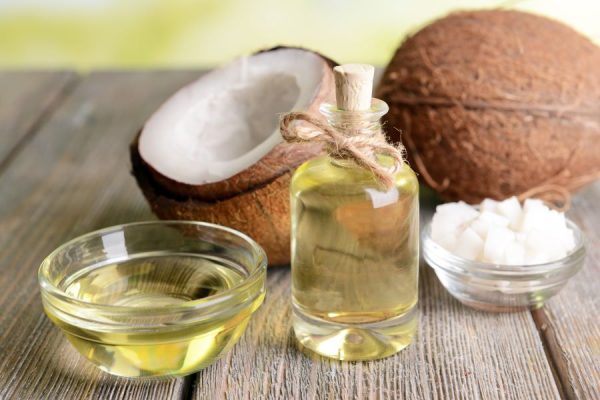
As a professional Vietnam coconut oil supplier, we focus on providing products suitable for wholesalers, distributors, manufacturers, retailers, and international importers. Bulk orders can be supplied according to customer requirements, including different packaging formats, quantities, and specifications.
Finding the right bulk coconut oil supplier is an important step for businesses operating in the food, cosmetics, personal care, and manufacturing industries. A reliable supplier should be able to provide consistent product quality, clear specifications, suitable packaging, and professional export support.
As a professional Vietnam coconut oil supplier, we focus on providing products suitable for wholesalers, distributors, manufacturers, retailers, and international importers. Bulk orders can be supplied according to customer requirements, including different packaging formats, quantities, and specifications.